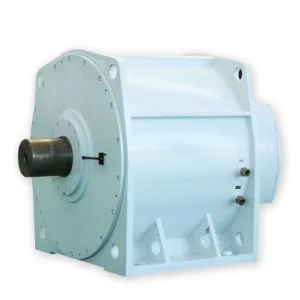
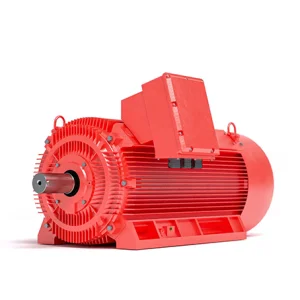
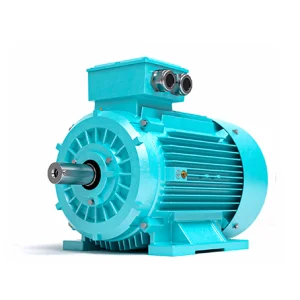
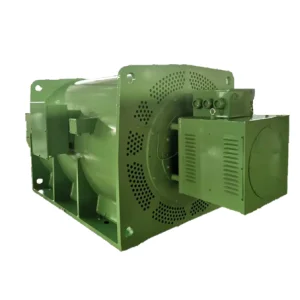
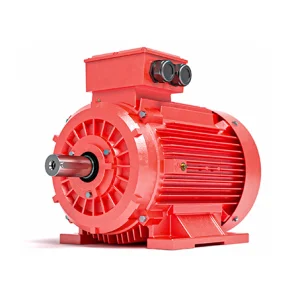
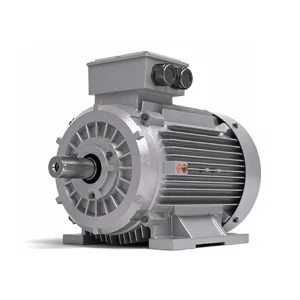
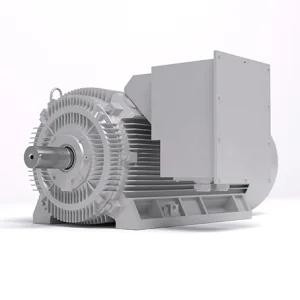
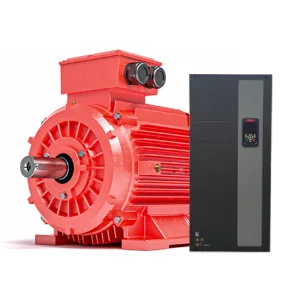
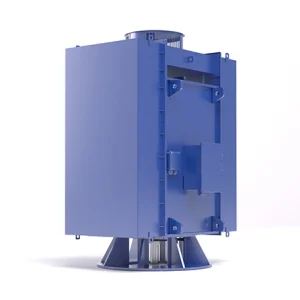
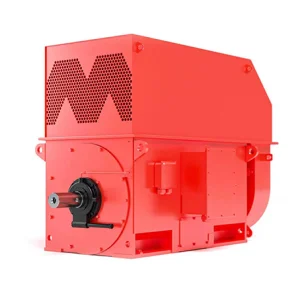
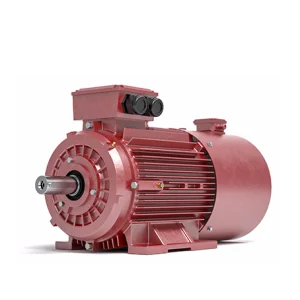
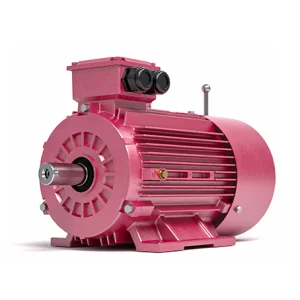
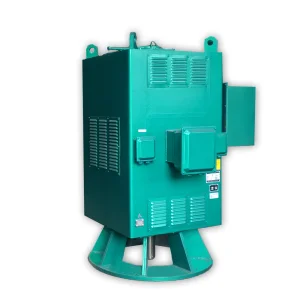
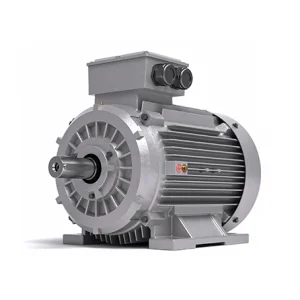
Engineered to deliver exceptional torque density and extreme energy efficiency under variable load profiles, matching Nepal’s modern grid standards.
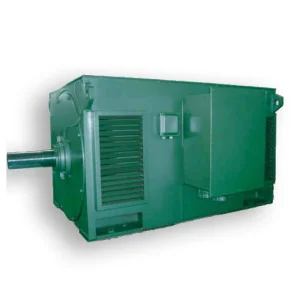
Over the last decade, Nepal has steadily transitioned from a net electricity-importing nation to a regional supplier of clean hydropower. Under the stewardship of the Nepal Electricity Authority (NEA), key industrial zones—such as those in Birgunj, Bhairahawa, Hetauda, and Pokhara—are accelerating their domestic production. However, matching energy output with industrial motor efficiency remains a critical engineering hurdle.
Traditional asynchronous induction motors generate high reactive power losses and suffer from severe efficiency drops under fractional loads. Given the geographic constraints and occasional voltage instability of Nepal's secondary grids, utilizing Permanent Magnet Synchronous Motors (PMSMs) is becoming the strategic standard for local businesses looking to optimize power factors, lower active energy consumption, and guarantee continuous manufacturing runtimes.
PMSM systems run at unity power factor, which effectively eliminates reactive power surcharges levied by Nepalese utilities and reduces heat dissipation in power cables.
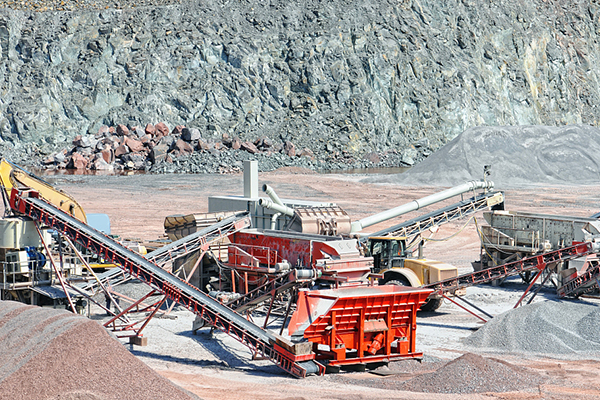
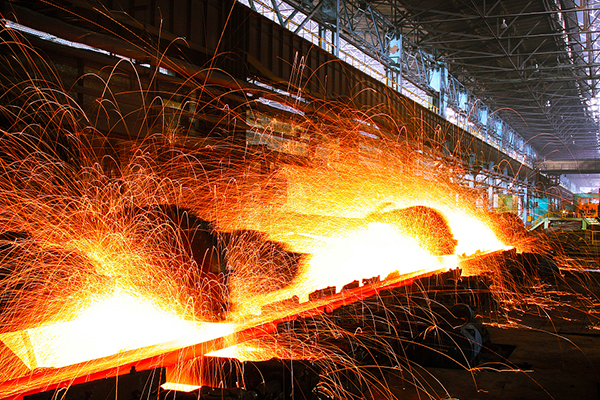
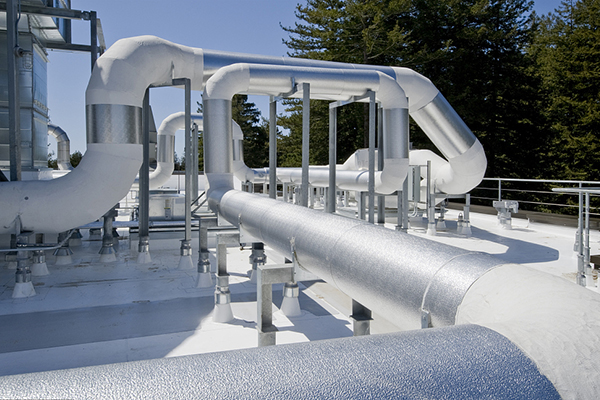
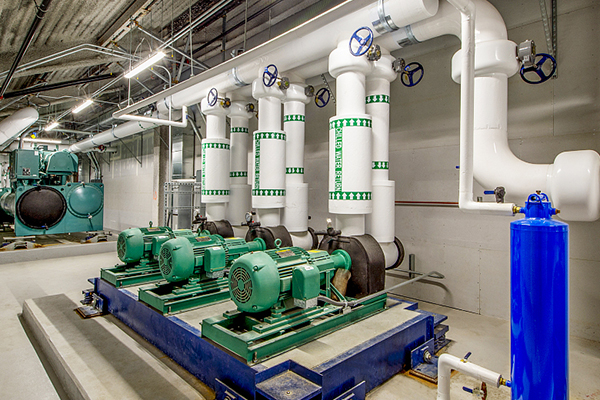
Our permanent magnet motors are customized for high reliability across these primary sectors in Nepal:
Built upon a legacy of design excellence, Shandong Sunvim Motor Co., Ltd. provides robust industrial solutions engineered for reliability, scaling, and precision.
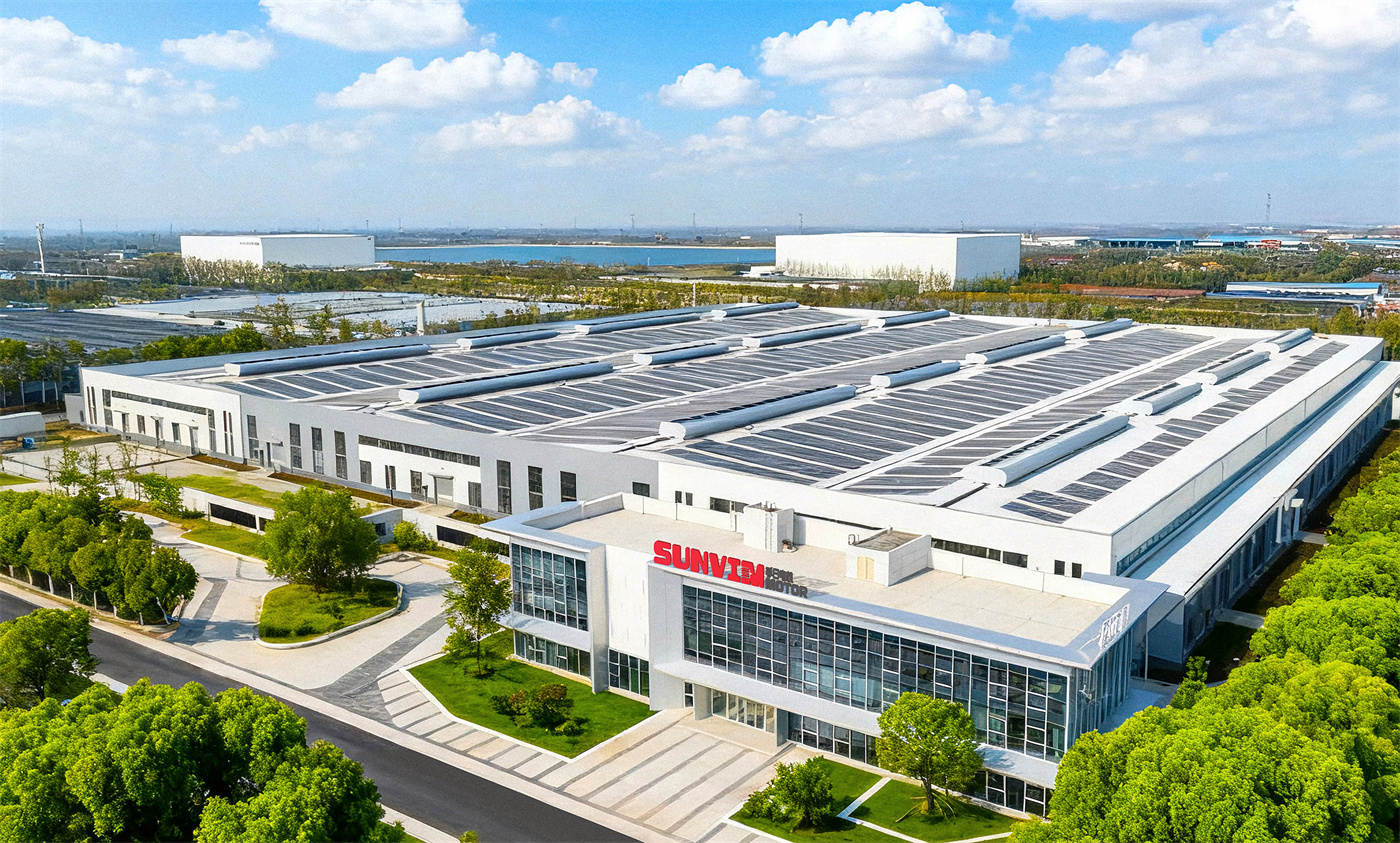
With over 60 years of deep-rooted expertise in electric motor research and manufacturing, Shandong Sunvim Motor Co., Ltd. represents the pinnacle of industrial innovation. Following a strategic corporate transformation in 2022, we established a high-standard, modernized production ecosystem tailored for the future of global industry.
Backed by the powerful resources of Sunvim Group—a multi-billion RMB conglomerate—we benefit from strong financial stability and strategic growth. Our expansive facilities house over 400 sets of advanced manufacturing, precision testing, and automated supporting equipment, driving an impressive annual production capacity of up to 3 million kilowatts.
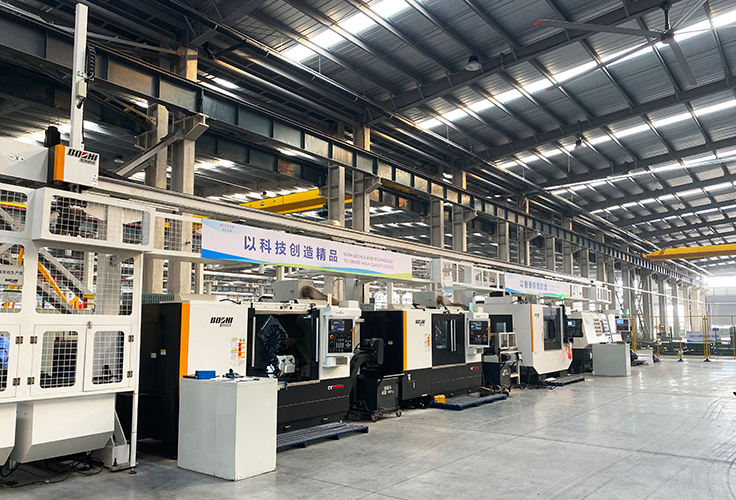
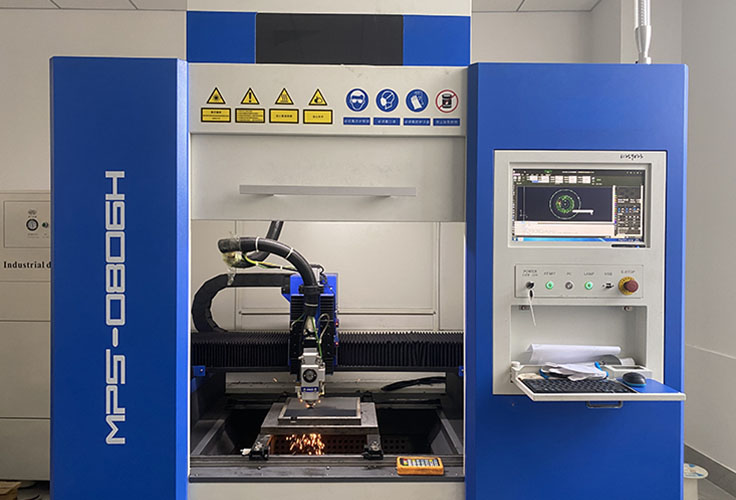
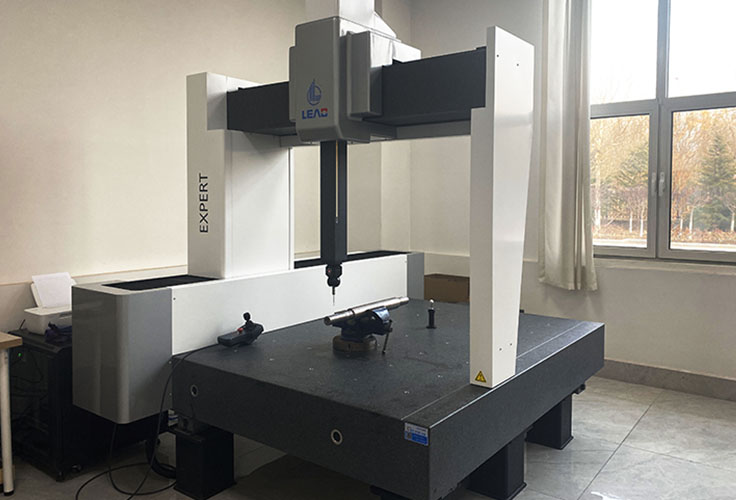
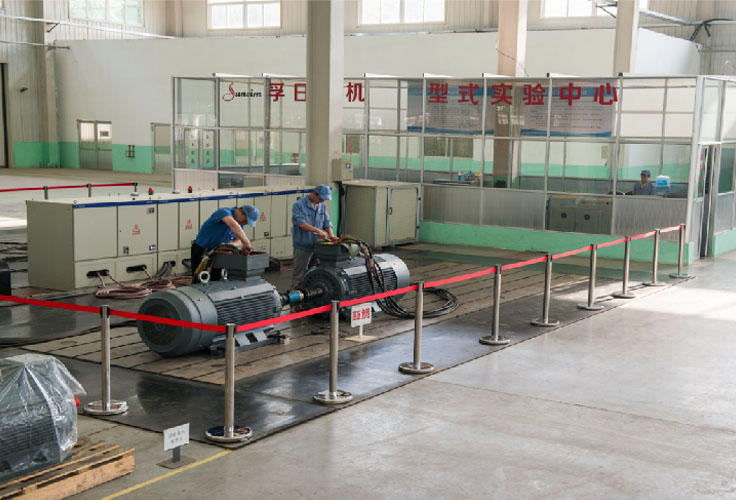
Below is a breakdown of why permanent magnet synchronous motor tech is the superior choice for modern industrial infrastructure compared to standard induction units.
Induction motors rely on stator-induced currents to magnetize the rotor, creating constant copper losses ($I^2R$ losses) within the rotor windings. In contrast, PMSM motors use high-performance Neodymium-Iron-Boron (NdFeB) permanent magnets on the rotor, eliminating rotor excitation losses completely.
This allows PMSM motors to maintain peak efficiency profiles exceeding 96% (IE5 equivalent) even at partial loads (between 25% to 120% of rated capacity), which is highly beneficial for fluctuating operations common in Nepalese tea processing and mineral mining.
By eliminating slip losses and achieving synchronous speeds, PMSM systems generate lower operational temperatures. This reduces bearing degradation and structural fatigue inside the motor housing. Additionally, low-speed high-torque models allow you to connect the motor shaft directly to the application drive, removing gearboxes, coupling adjustments, and complex lubrication routines.
| Technical Characteristic | Standard Asynchronous Induction Motors | Sunvim Premium PMSM Technology | Operational Impact for Nepal Imports |
|---|---|---|---|
| Energy Efficiency Class | Typically IE2 or IE3 efficiency | Surpasses IE4 and IE5 standard ratings | Lowers continuous electricity expenses up to 15% |
| Power Factor (Cos φ) | 0.72 – 0.85 (Varies heavily with load) | 0.95 – 0.99 (Stays high across all load phases) | Averts reactive energy penalties from local utilities |
| Torque Behavior | Standard starting torque; low low-speed torque | High starting torque; constant torque envelope | Enables direct drive on heavy machinery without complex gears |
| Heat Dissipation | High heat generation due to rotor winding current | Low operational heat profiles | Extends motor service lifespan in elevated altitudes |
Our systems comply with strict international regulatory bodies, offering long-term reliability and high quality across diverse operating conditions.
ISO9001:2015
CE

UKCA
UL
SABS
CCS
ABS
DNV
We offer robust, end-to-end support to ensure your motor imports arrive on time and transition smoothly into local projects.
Every motor we supply can be configured with specialized shaft dimensions, custom mounting arrangements (flange, footed, or face-mount), and optimized voltage profiles matching Nepal’s standard distribution limits. Special insulation types (Class H) and enhanced IP dust protection ratings are optional.
We handle heavy transit logistics to Nepal efficiently. Shipments can travel via land routes through the Kerung (Rasuwagadhi) or Tatopani border crossings directly from China, or via multi-modal sea paths transit through Kolkata or Visakhapatnam ports in India before moving into industrial cities like Birgunj.
Our team prepares all necessary certificates of origin, quality inspection reports from our internal Type Test Center, packing lists, and commercial invoices. This speeds up the customs process at Nepal’s borders and keeps your projects moving forward on schedule.
For over six decades, Sunvim Motor has evolved into a global leader in electric motor manufacturing. Here is our growth journey.
Gaomi Electric Appliance Factory was established. In 1988, renamed as Weifang Electric Machinery Factory.
Mr. Sun, the factory director, left the Gaomi Electric Appliance Factory and set up Gaomi Towel Factory, the predecessor of Sunvim.
Weifang Electric Machinery Factory was acquired by Sunvim, establishing Shandong Sunvim Electrical Machinery Co. Ltd.
A new factory completed in Sunvim industrial park, officially renamed as Shandong Sunvim Motor Co. Ltd., creating a modernized system.
From modular, converter-fed designs to high-efficiency asynchronous lines, our systems are built for long-term operations.
Find direct, technical answers to common queries regarding PMSM deployment, design parameters, and importing procedures to Nepal.
Contact our support team for custom technical specifications, dimensional drawings, pricing options, and complete import assistance for your projects in Nepal.
Send Inquiry Now Sunvim Motor