Direct access to our highly demanded primary motor systems optimized for heavy industry, agricultural processing, and municipal pumping systems in Dili and regional districts.
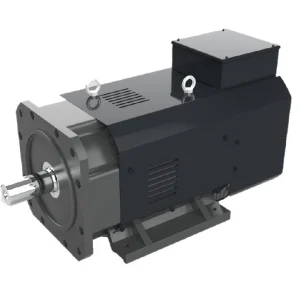
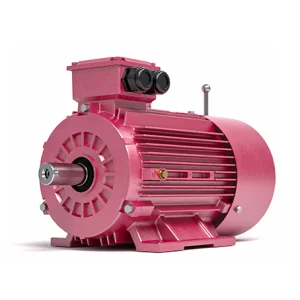
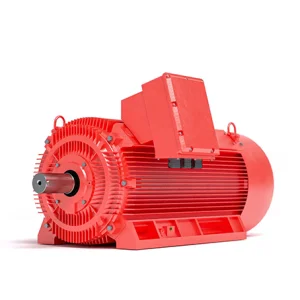
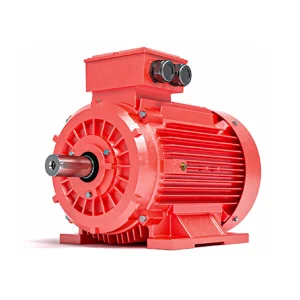
Evaluating the technical constraints of the East Timorese grid and how Permanent Magnet (PM) motor technology offers a critical competitive edge.
Timor-Leste represents a unique commercial environment in Southeast Asia. As a developing nation heavily relying on infrastructure modernization, the local industrial framework is progressively transitioning from decentralized diesel generator dependency to grid-integrated municipal networks. High electricity tariffs, coupled with grid instability, impose massive operating expenditures (OPEX) on local industrial companies. In processing districts like Ermera (renowned for its premium organic coffee cultivation) and Tibar Bay (the epicentre of maritime logistics and cargo handling), operational costs are highly sensitive to electrical consumption. Inefficient motor systems significantly inflate utility bills and strain sensitive local substations.
“By transitioning from traditional induction motor frameworks to FP Series Permanent Magnet Synchronous Motors (PMSMs), local enterprises can achieve net energy consumption savings between 15% and 35%, greatly shielding operations from fluctuating fuel and grid power prices.”
Globally, the industrial motor sector is undergoing a profound paradigm shift driven by environmental mandates (such as Europe’s Ecodesign Directive) and corporate sustainability targets. IE3 high-efficiency motors are now standard, and IE4 and IE5 Super Premium and Ultra Premium efficiency classes represent the cutting edge. The FP Series PM Motor embodies this global technological shift. Utilizing rare-earth Neodymium Iron Boron (NdFeB) permanent magnets instead of conventional rotor windings, these motors eliminate rotor copper losses completely. This yields an exceptionally high power factor and an efficiency curve that remains flat even under partial load profiles—a condition common in Timor-Leste’s municipal water pumping and ventilation networks.
Empirical breakdown comparing standard induction motors to permanent magnet technology operating under local tropical conditions.
| Motor Series & Efficiency Class | Typical Capacity (kW) | Timor-Leste Estimated CIF Price Range (USD) | Annual Power Saving (vs IE1) | ROI Payback Period (Months) | Primary Local Applications |
|---|---|---|---|---|---|
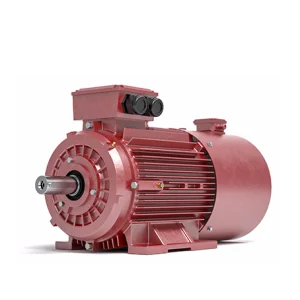
| FP Series PM Motor (IE5) | 11 kW - 45 kW | $1,200 - $3,500 | 22% - 35% | 14 - 18 Months | Ermera Coffee Pulpers, Tibar Conveyors |
| SCZ Series SynRM (IE4) | 7.5 kW - 30 kW | $950 - $2,800 | 18% - 28% | 16 - 20 Months | Ventilation Fans, Chemical Agitators |
| IE3 High Output Induction | 15 kW - 90 kW | $700 - $2,400 | 10% - 15% | 24 - 30 Months | Water Pumps, Quarry Crushers |
| YEJ Brake Motor Series | 2.2 kW - 18.5 kW | $450 - $1,300 | N/A (Specialized Braking) | Operational Safety ROI | Port Cranes, Hoists, Warehouse Elevators |
When procurement managers evaluate pricing, focusing solely on the initial capital expenditure (CAPEX) leads to inaccurate cost projections. Over a typical 10-year motor operating lifespan, the purchase price accounts for less than 3% of the Total Cost of Ownership (TCO). The remaining 97% is composed of power utility expenditures. In Timor-Leste, where power grid tariffs can exceed $0.24 per kWh, the higher upfront cost of an FP Series PM Motor is recouped remarkably quickly. Furthermore, because PM motors generate significantly less heat in the stator, their operational reliability is substantially higher in humid, tropical environments like Dili and Baucau.
With over 60 years of deep-rooted expertise in electric motor research and manufacturing, Shandong Sunvim Motor Co., Ltd. represents the pinnacle of industrial innovation.
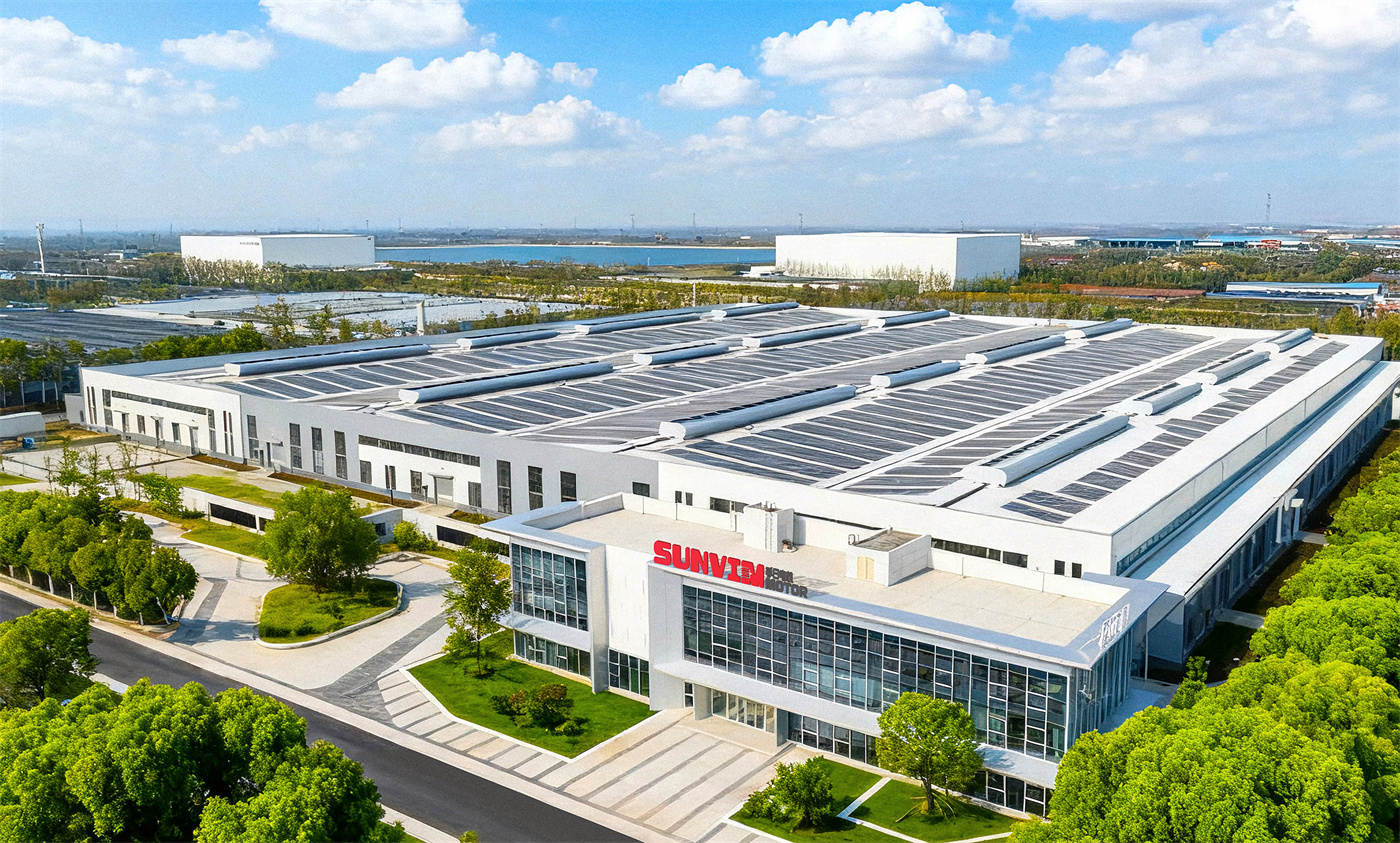
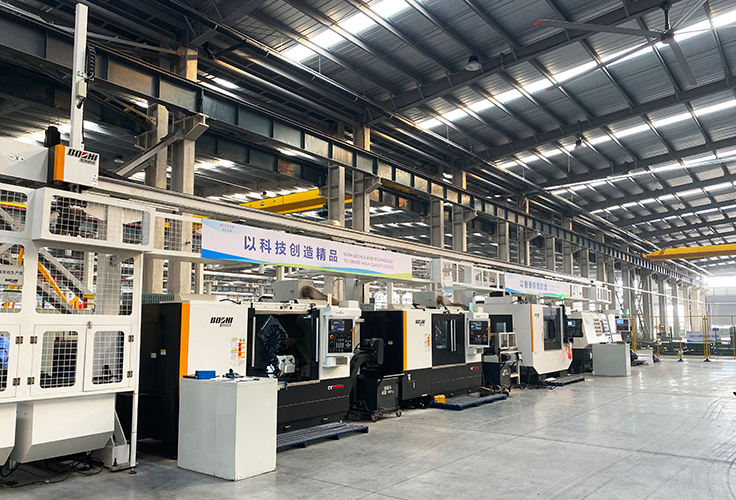
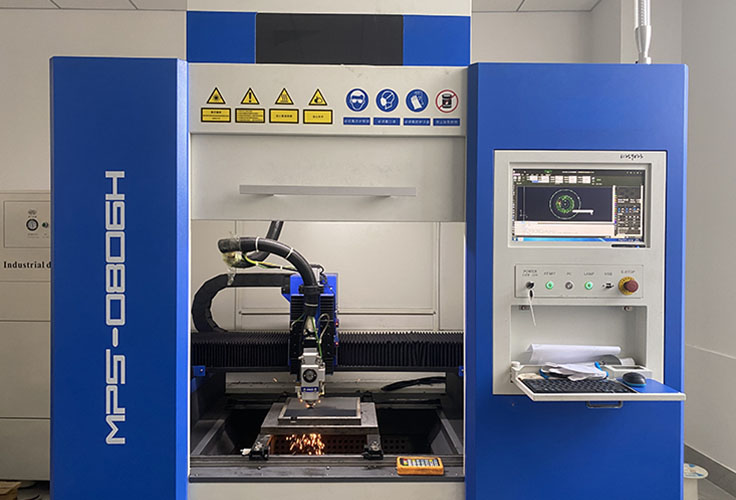
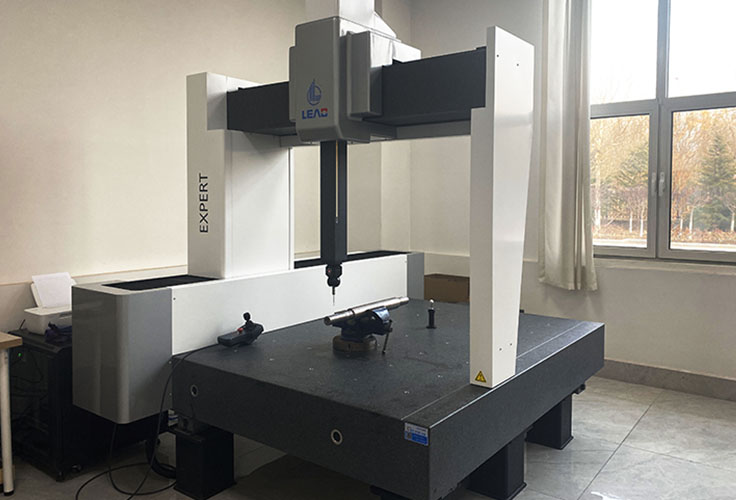
Following a strategic corporate transformation in 2022, we have rapidly established a high-standard, modernized production ecosystem tailored for the future of global industry. Backed by the powerful resources of Sunvim Group—a multi-billion RMB conglomerate—Shandong Sunvim Motor Co., Ltd. benefits from strong financial stability and strategic growth. Our expansive facilities house over 400 sets of advanced manufacturing, precision testing, and automated supporting equipment, driving an impressive annual production capacity of up to 3 million kilowatts.
Today, Sunvim Motor has evolved into a premier enterprise seamlessly integrating R&D, world-class manufacturing, global distribution, and dedicated customer service. Driven by the excellence of Sunvim Group, the SUNVIM brand has earned widespread international recognition. Our high-performance electric motors are trusted by global OEMs and industrial buyers across premier markets, including Germany, Italy, Greece, Spain, Belgium, Denmark, South Africa, Slovakia, Australia, Singapore, Indonesia, Malaysia, and Taiwan.
Six decades of strategic industrial scaling and manufacturing milestones that define our standard of excellence.
Gaomi Electric Appliance Factory was established. Renamed as Weifang Electric Machinery Factory in 1988.
Mr. Sun, then the factory director, left and set up Gaomi Towel Factory, the predecessor of Sunvim Group.
Weifang Electric Machinery Factory was acquired by Sunvim, and Shandong Sunvim Electrical Machinery Co. Ltd. was established.
A brand new factory was completed in Sunvim Industrial Park and was renamed as Shandong Sunvim Motor Co. Ltd.
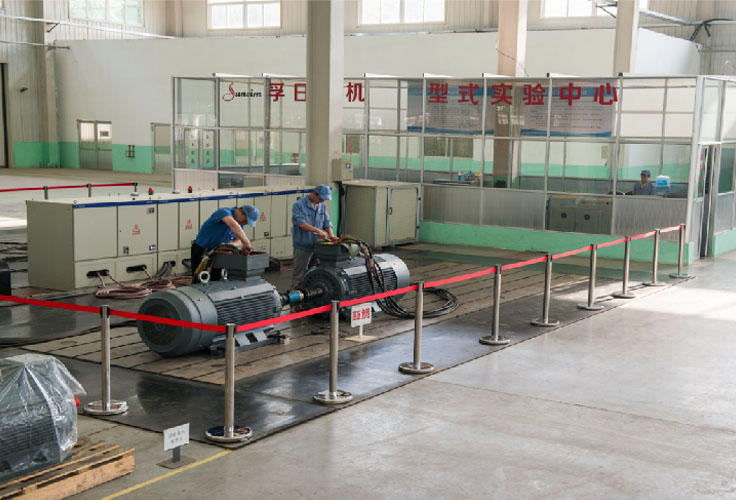
A glimpse into our advanced equipment lines ensuring high tolerance levels and long lifetimes of FP Series PM Motors.
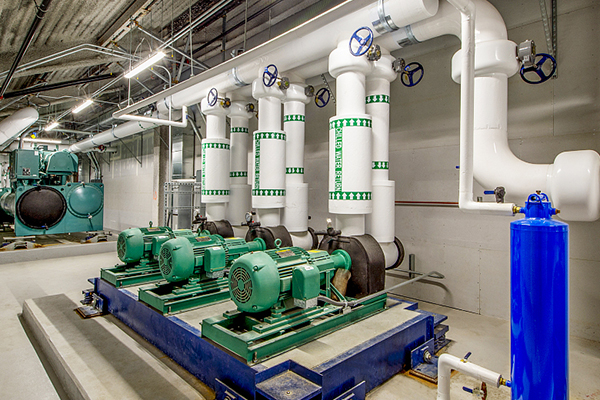
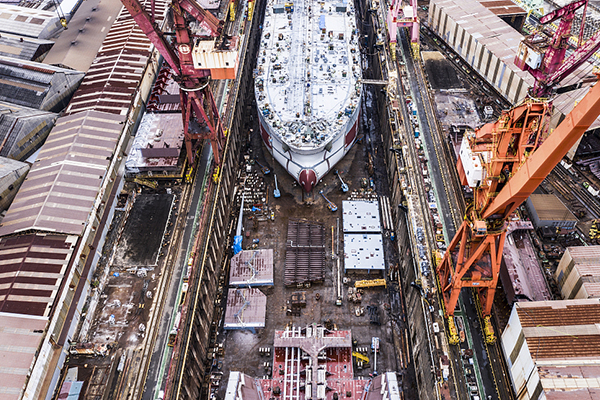
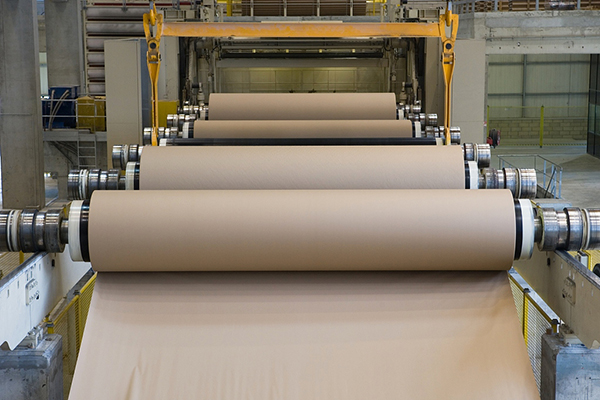
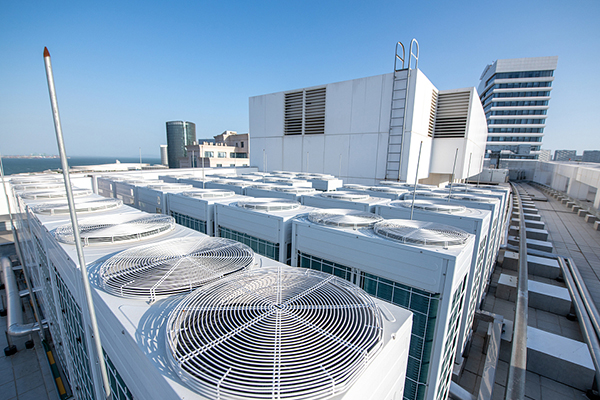
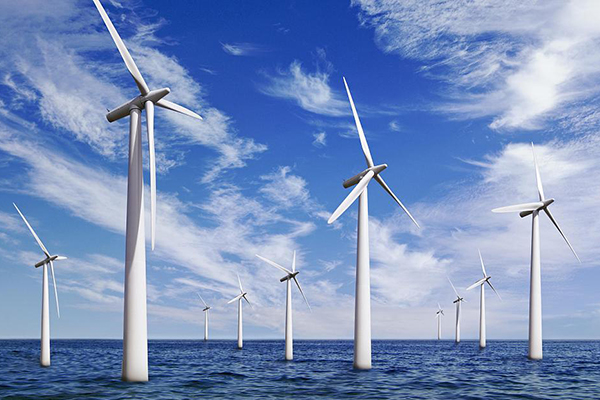
Deploying energy-efficient permanent magnet solutions across global infrastructure, mining, marine, and agriculture.
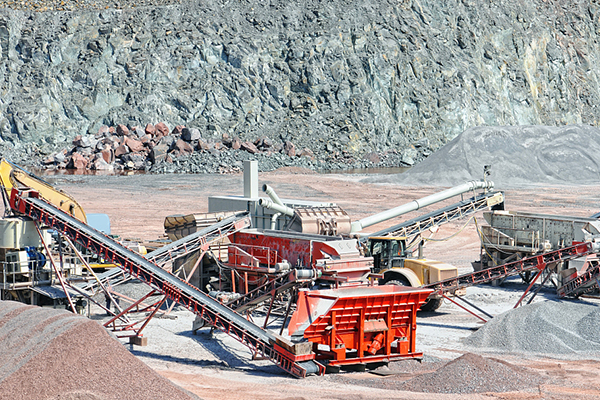
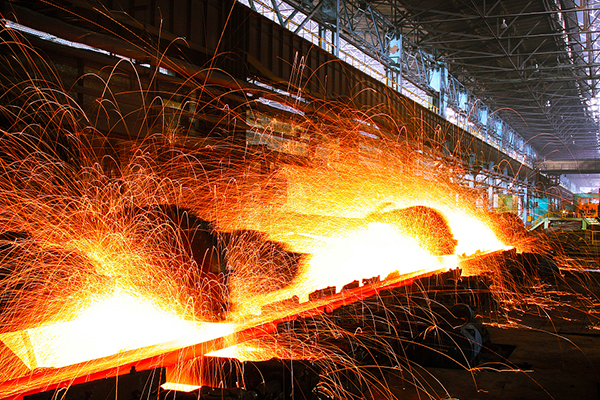
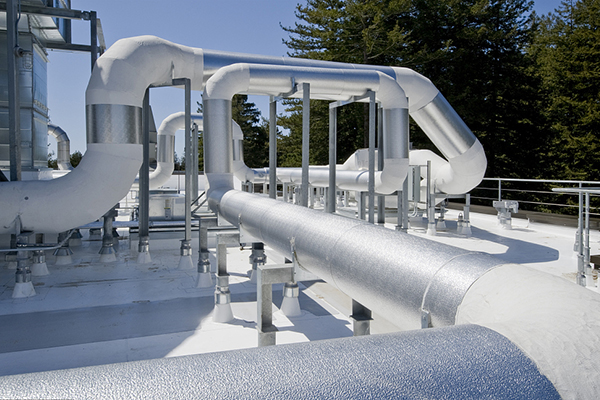

Our motors conform strictly to International Electrotechnical Commission (IEC) standards, allowing seamless replacement of aging local infrastructure.




Engineered to handle extreme load dynamics, marine climates, and specialized operational demands.
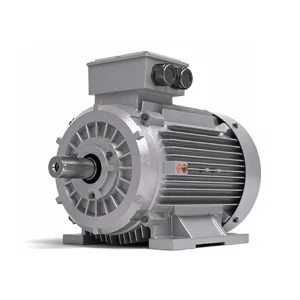
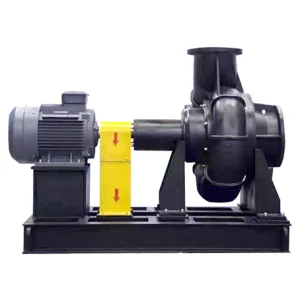
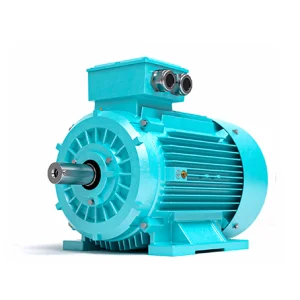
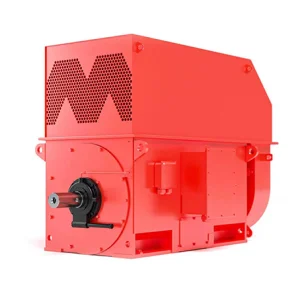
Clear, direct answers regarding the installation, retrofitting, and thermal performance of permanent magnet motors in tropical climates.
Traditional induction motors rely on electromagnetic induction to magnetize the rotor, creating rotor copper losses. This efficiency drops significantly at low speeds or partial loads. FP Series motors use NdFeB permanent magnets embedded in the rotor, eliminating rotor excitation losses. This maintains a high, flat efficiency curve from 25% to 100% load.
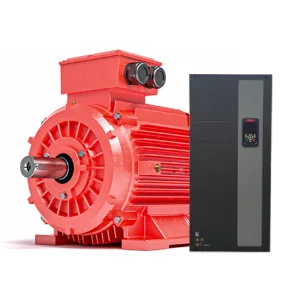
No, synchronous permanent magnet motors require a Variable Frequency Drive (VFD) to initiate rotation and lock into synchronicity with the magnetic field. Direct-on-line (DOL) startup is not possible without dynamic frequency matching. We supply integrated drive-motor packages configured for local grids.
Our motors feature Class F insulation (rated for 155°C) and Class B temperature rise limitations. Their lower running temperatures significantly extend winding insulation and bearing grease life in hot, humid conditions.
We use high-grade NdFeB magnets with high intrinsic coercivity. These magnets are designed to withstand temperatures well above the motor's operating limit without losing magnetism, ensuring reliable operation for over 15 years.
Explore our complete catalog. Keep original links and images intact to ensure technical authenticity.
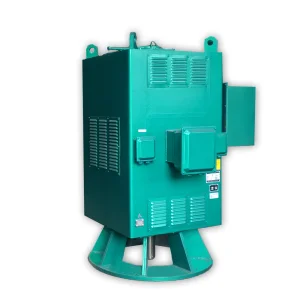
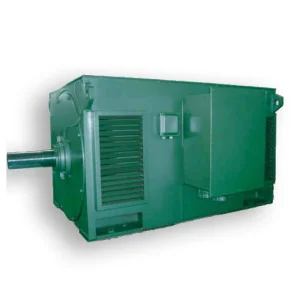
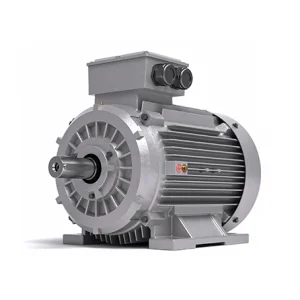
Contact our engineering consultancy team to get customized price quotes, VFD integration advice, and logistic delivery paths to Dili Port.
 Sunvim Motor