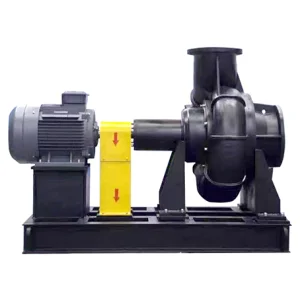
 Sunvim Motor
Engineered motor platforms covering low-voltage and medium/high-voltage duty — configured for OEM voltage, frequency and enclosure specifications.
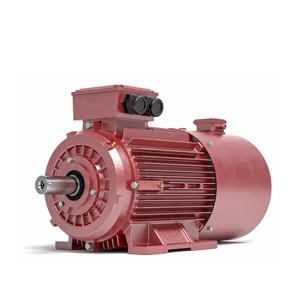
Why voltage — not horsepower alone — is the decisive engineering variable in modern OEM motor sourcing.
Electric motors consume roughly 45% of global electricity, and the AC induction motor remains the workhorse of that load. Yet in global procurement conversations, specifiers frequently quote only kilowatts and frame size while treating voltage as an afterthought. In practice, voltage defines the winding insulation class, the winding topology (delta/star), the cable cross-section, the VFD compatibility envelope, and ultimately the reliability of the entire drive train. An OEM machine exported from Asia to a German brownfield line at 400V/50Hz is a different electrical machine than the same mechanical frame specified for a 480V/60Hz North American plant, or a 690V offshore platform feeding a long-cable subsea load.
Sunvim Motor operates at the intersection of these realities. Since 1963, our lineage of manufacturing has pivoted around the fundamental question: what is the true voltage duty of the motor? That discipline is what separates a commodity stator-and-rotor supplier from a genuine OEM AC motor voltage factory that engineers to the grid, not to the catalog.
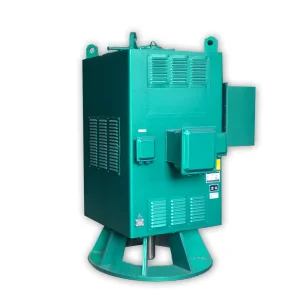
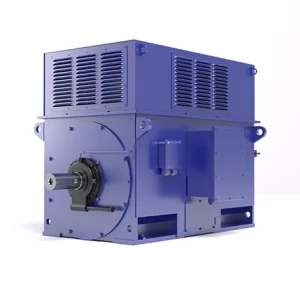
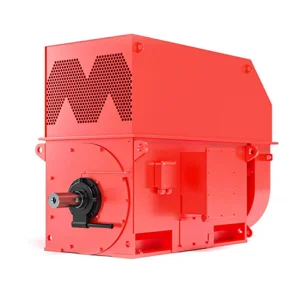
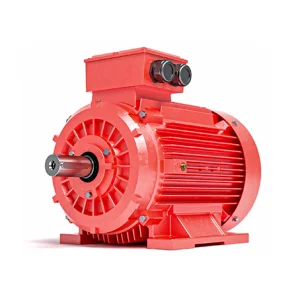
A structured view of the low-voltage and medium-voltage platforms available across our product range — from IE1 economy motors to IE4 super-premium and medium/high-voltage induction machines.
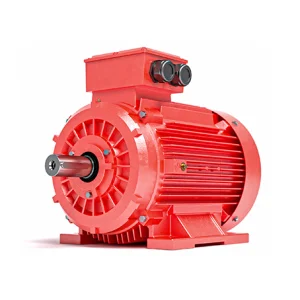
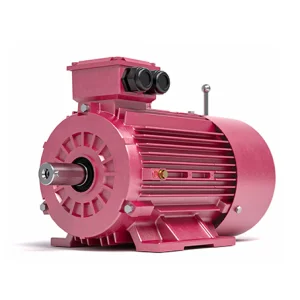
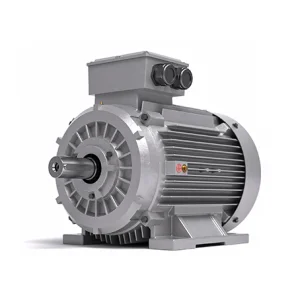
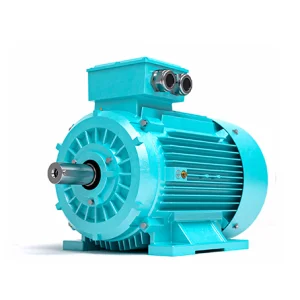
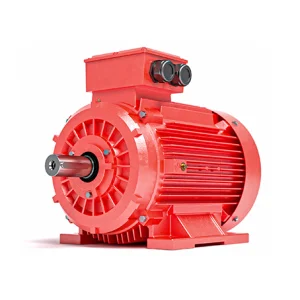
Our core IE1, IE2, IE3 and IE4 platforms — including the Y2 rib-cooled series and YVF converter-fed motors — are wound for 220V, 380V, 400V, 415V, 440V, 480V, 525V and 690V, at 50Hz or 60Hz, with dual-voltage star/delta options for export flexibility.
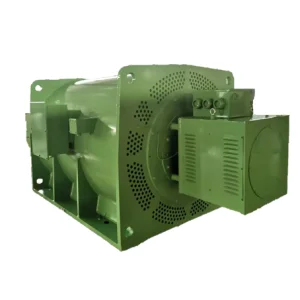
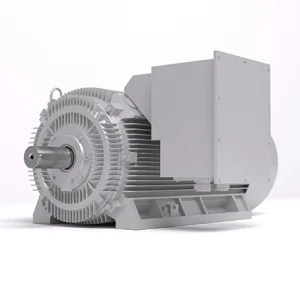
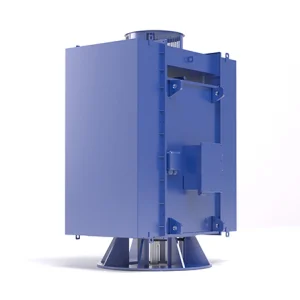
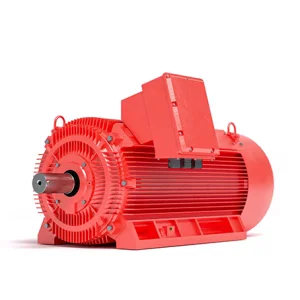
Our Y, YKS, YX, YKK, YXKK and YLKK modular motor families are built for 3kV, 6kV and 10kV systems typically deployed in mining, metallurgy, cement and power plant auxiliary drives — configured with class F/H insulation systems and vacuum-pressure-impregnated windings.
The YVF converter-fed range is engineered for PWM inverter output, accounting for reflected-wave overvoltage, insulation stress at high dv/dt, and shaft-current mitigation — a critical consideration when a 400V motor is fed by a 690V-class drive or long motor cables.
The Y-H marine series and slip ring motors are type-approved against DNV, ABS, CCS and SABS regimes, where shipboard 440V/60Hz and 690V/60Hz systems demand corrosion-grade insulation and vibration endurance verified at our in-house type test center.
YD pole-changing motors deliver two or more synchronous speeds from a single voltage supply, widely used in fan, pump and ventilation duty where flow control is achieved by winding reconnection rather than a drive. This simplifies the electrical architecture in retrofit-heavy markets.
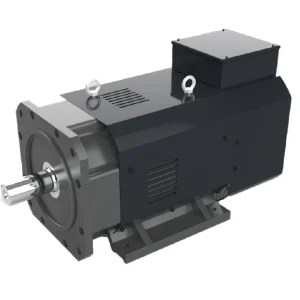
YEJ brake motors, FP series permanent-magnet motors and synchronous reluctance motors extend the voltage envelope into high-efficiency, high-torque-density territory — increasingly requested as IE4 and above become mandatory in regulated markets.
Matching grid voltage, efficiency class and application load profile is the single highest-leverage decision in OEM motor specification.
| Platform | Typical Voltage Range | Efficiency Band | Best-Fit Application |
|---|---|---|---|
| IE1 Efficiency Motors | 380V / 400V / 415V / 440V | IE1 (Standard) | Legacy replacement, cost-sensitive, non-continuous duty |
| Y2 Rib-Cooled Series | 380V / 400V / 660V / 690V | IE2–IE3 | General industrial, pump & fan duty, HVAC retrofit |
| IE3 / IE4 High-Output Motors | 380V–690V | IE3 / IE4 | Energy-regulated markets, continuous production lines |
| YVF Converter-Fed Motors | 380V–480V, drive-fed | IE2–IE3 | Variable torque, process control, conveyor & extruder duty |
| YLKK / YKK / YXKK Modular | 3kV / 6kV / 10kV | IE2–IE3 equivalent | Mining, cement, metallurgy, compressor & fan duty |
| Y-H Marine Motors | 440V / 60Hz, 690V / 60Hz | IE2–IE3 | Shipboard auxiliary, offshore platform, deck machinery |
| YEJ Brake Motors | 380V / 400V / 415V | IE2–IE3 | Hoisting, positioning, cranes, machine-tool feed |
Shandong Sunvim Motor Co., Ltd. is the culmination of more than six decades of electric motor research and manufacturing. Following a strategic corporate transformation in 2022, we established a high-standard, modernized production ecosystem purpose-built for the next generation of global industry.
Backed by the powerful resources of Sunvim Group — a multi-billion RMB conglomerate — Shandong Sunvim Motor Co., Ltd. benefits from strong financial stability and strategic growth. Our expansive facilities house over 400 sets of advanced manufacturing, precision testing and automated supporting equipment, driving an annual production capacity of up to 3 million kilowatts.
Today, Sunvim Motor has evolved into a premier enterprise seamlessly integrating R&D, world-class manufacturing, global distribution and dedicated customer service. Driven by the excellence of Sunvim Group, the SUNVIM brand has earned widespread international recognition. Our high-performance electric motors are trusted by global OEMs and industrial buyers across premier markets including Germany, Italy, Greece, Spain, Belgium, Denmark, South Africa, Slovakia, Australia, Singapore, Indonesia, Malaysia and Taiwan.
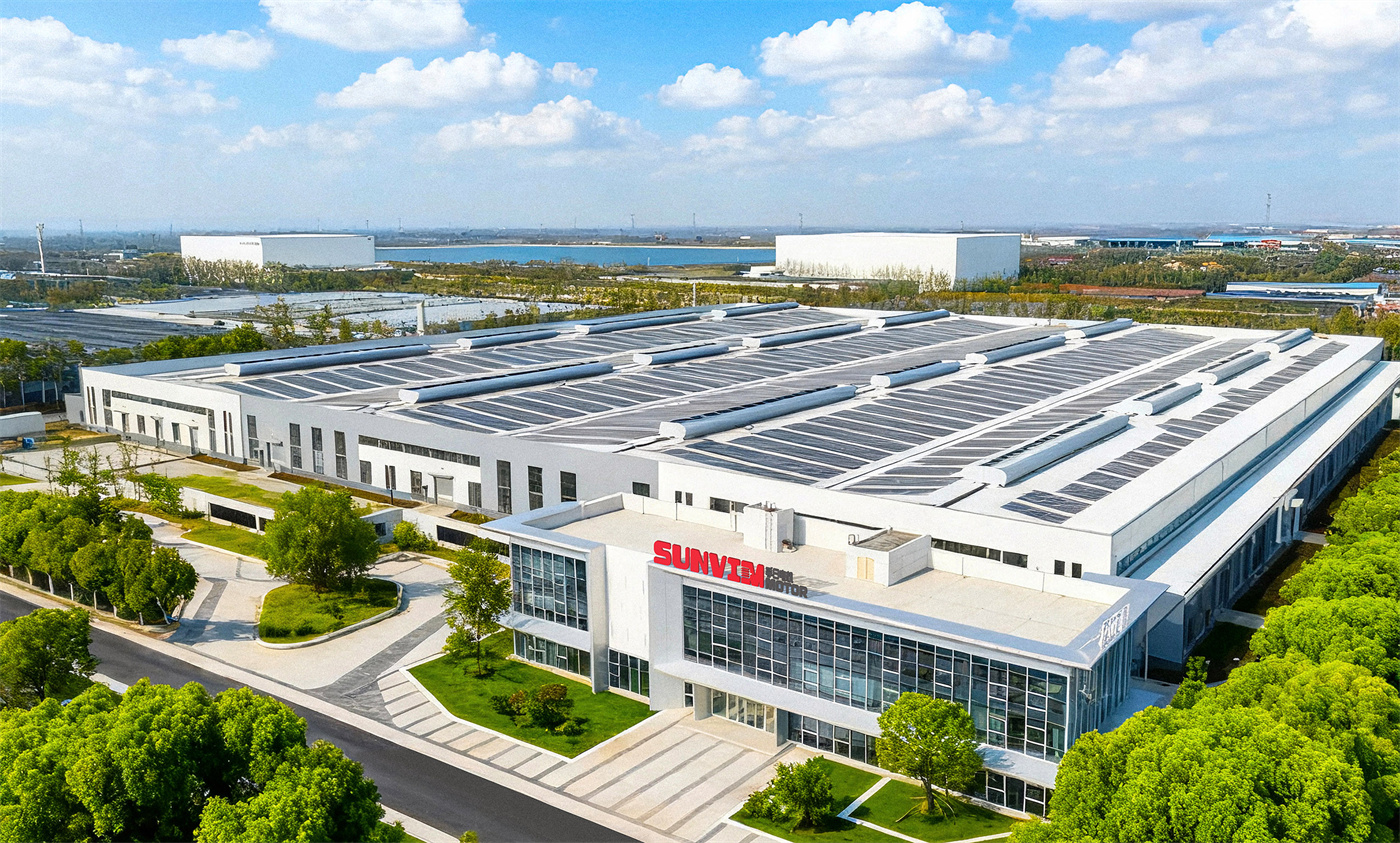
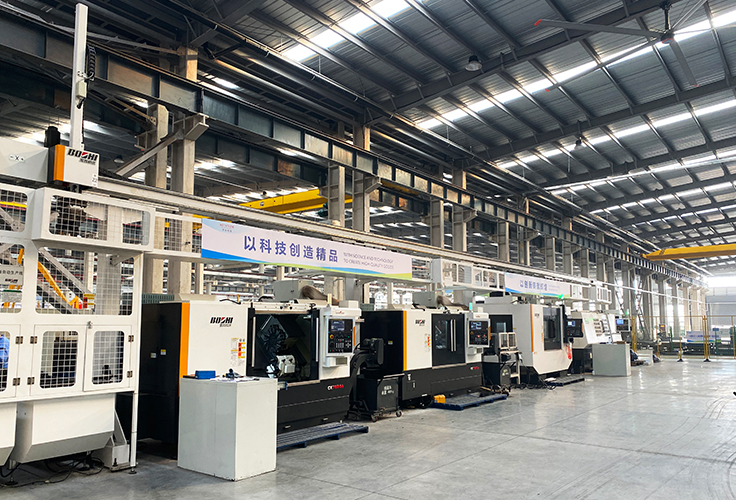
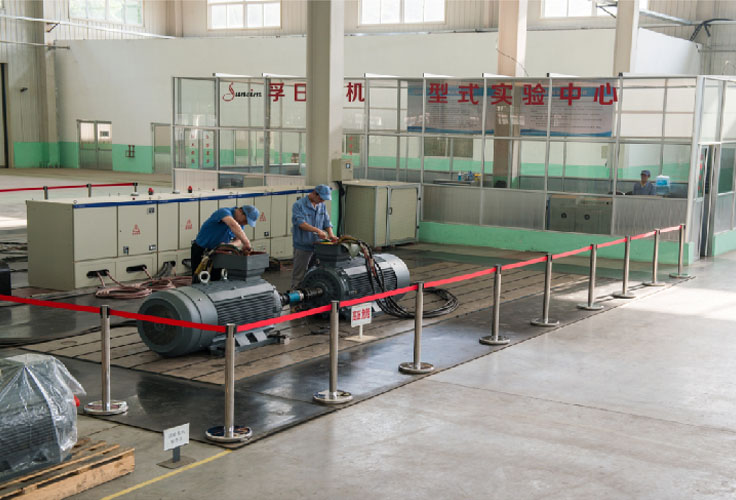
Voltage accuracy is winding accuracy. Our process control starts at the shaft and ends at the certified type test report.
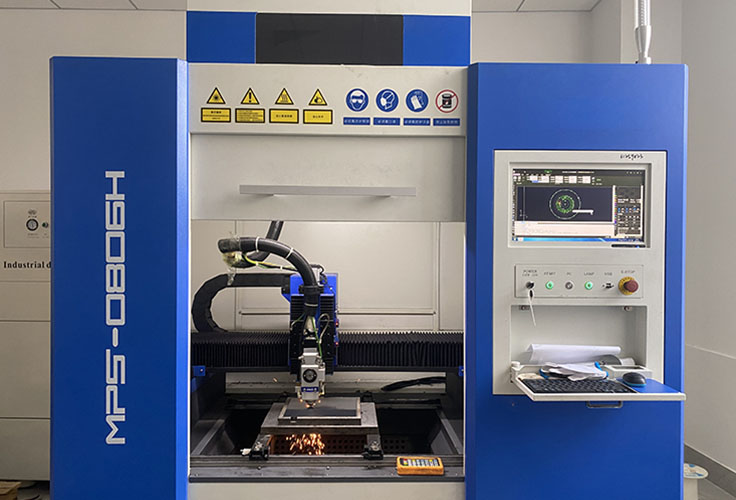
In 1963, Gaomi Electric Appliance Factory was established. In 1988, renamed as Weifang Electric Machinery Factory.
In 1987, Mr. Sun, then the factory director, left the Gaomi Electric Appliance Factory and set up Gaomi Towel Factory, the predecessor of Sunvim.
In 2008, Weifang Electric Machinery Factory was acquired by Sunvim, Shandong Sunvim Electrical Machinery Co. Ltd. was established.
In 2022, a new factory completed in Sunvim industrial park and was renamed as Shandong Sunvim Motor Co. Ltd.
Get to know which are the certificates that Sunvim has. Third-party approval is a core component of our E-E-A-T commitment to global OEM buyers.
 ISO9001:2015
 CE
 UKCA
 UL
 SABS
 CCS
 ABS
 DNV
A motor volted for one market can fail in another. Here is how our platforms map to real duty across nine heavy-industry environments.
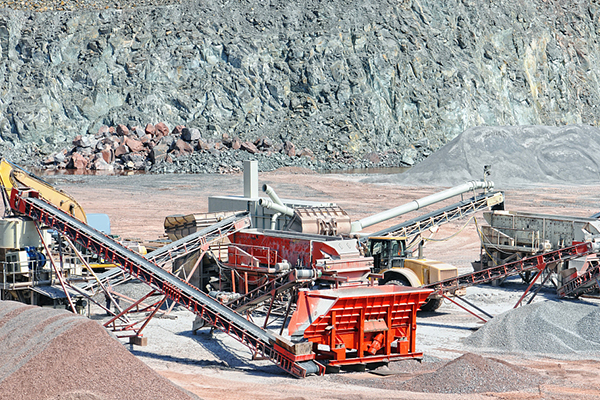 Mining Machinery
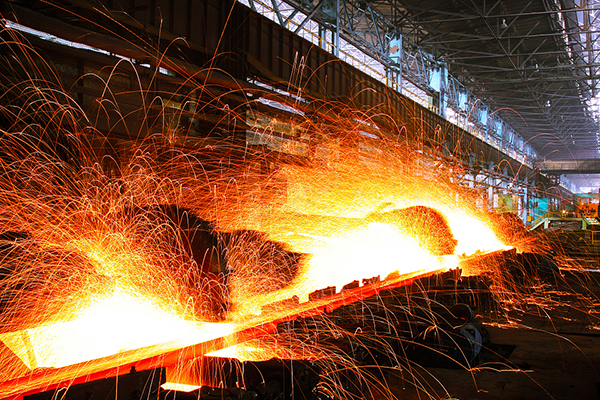 Metallurgy
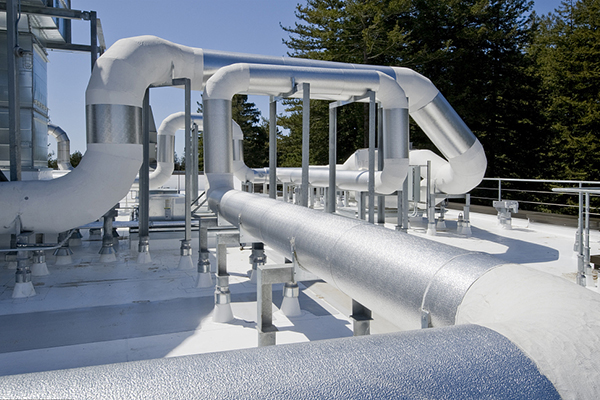 Ventilation
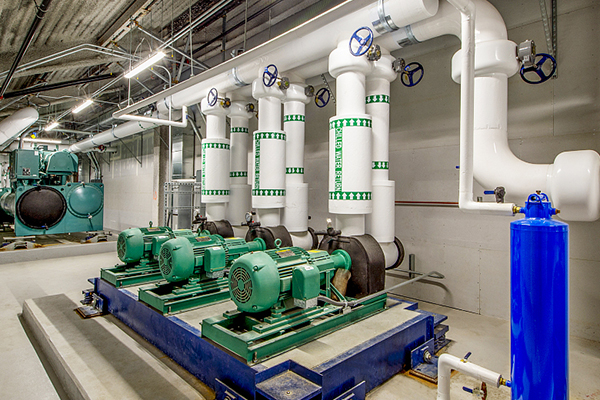 Agricultural Irrigation
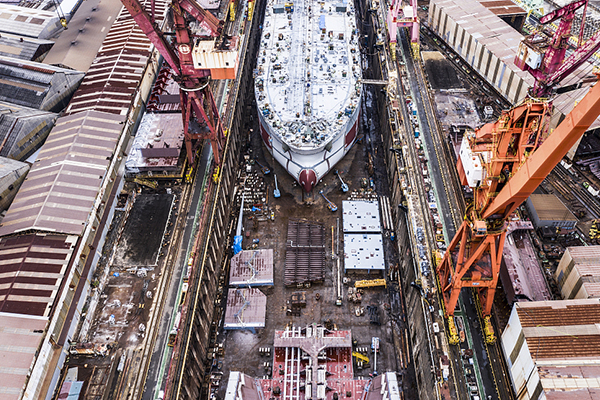 Shipbuilding
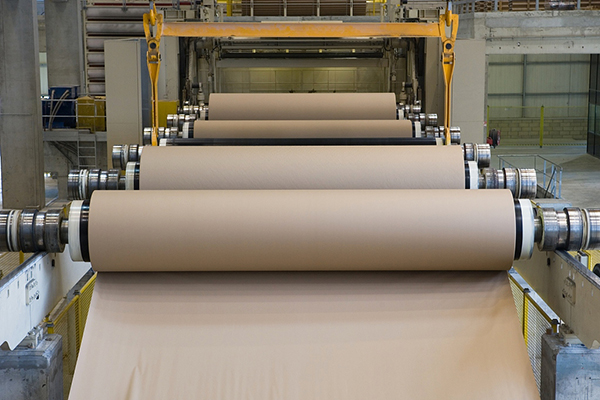 Pulp and Paper
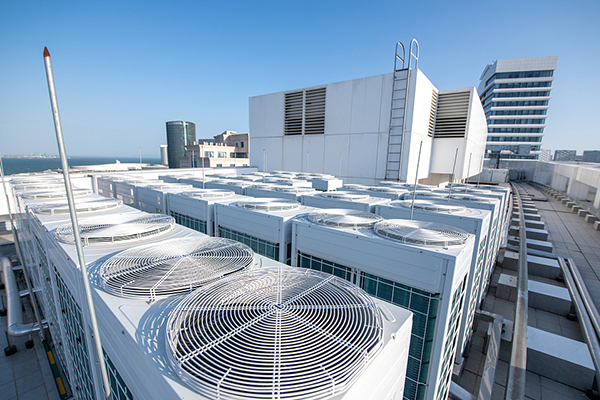 Compressor
 Chemical
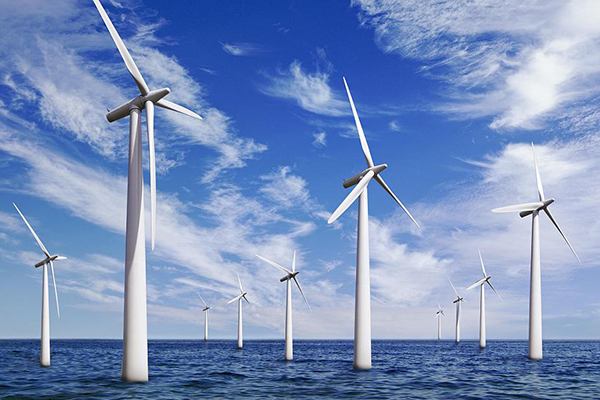 Wind Power
The next decade of AC motor voltage engineering will be defined by efficiency regulation, digital twin validation and drive-integrated topologies.
Regulated markets are converging on IE4 as the baseline for continuous-duty motors above 0.75 kW. Synchronous reluctance and permanent-magnet topologies (our FP series) are the pragmatic route to IE4/IE5 without exotic voltage redesign.
As more OEMs specify integrated VFD packages, motor windings must be validated for higher dv/dt, longer cable runs and partial discharge at the inverter output. Converter-fed voltage rating becomes a first-class spec, not an accessory.
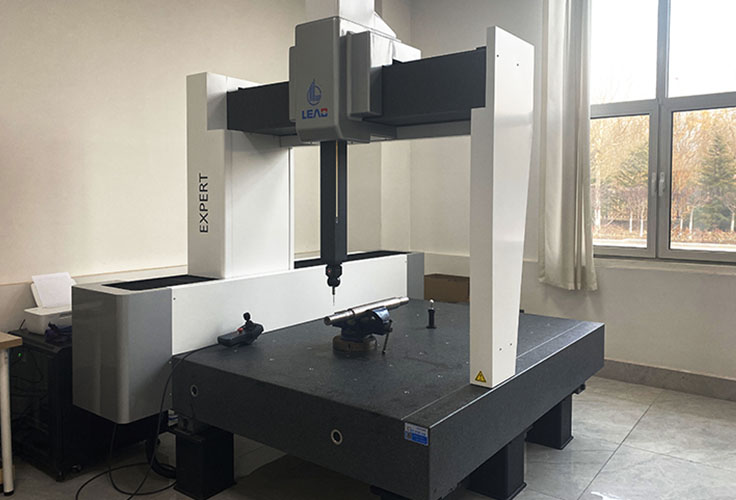
Three-dimensional coordinate measuring and type-test data converge into digital twin models that let OEM engineers simulate winding thermal behaviour against the end-user's actual grid voltage before a single lamination is cut.
In fast-industrializing markets, grid voltage fluctuation of ±10% is common. Our broader engineering posture — ±5% continuous voltage tolerance as standard, ±10% on request — reflects a macro trend: motors that survive the grid, not just the datasheet.
The questions our engineering team receives most often from global OEM procurement and design leads.
Yes. The majority of our IE3/IE4, Y2, YVF and YEJ platforms can be wound for 460V or 480V at 60Hz, with UL and UKCA certifications already in place for relevant configurations. Voltage is treated as a factory-level customization, not an aftermarket modification.
Low-voltage modular families (YL, YLKK and related) generally cover up to 690V, serving general industrial duty. Medium/high-voltage families (Y, YKS, YX, YKK, YXKK) are designed for 3kV, 6kV and 10kV grids, with thicker insulation systems, vacuum pressure impregnation and larger creepage distances — the correct choice for mining, cement and power plant auxiliary drives.
No — the winding must match the drive output voltage, not the incoming grid. If the inverter output is 400V, the motor must be wound for 400V. The relevant question is whether the insulation system tolerates the reflected-wave overvoltage at the motor terminals, which depends on cable length and drive dv/dt. Our engineers will size the insulation class accordingly.
Through our in-house Type Test Center. Dielectric withstand tests, partial discharge measurement and winding resistance tests are performed on representative samples of each new voltage configuration before series production. Three-dimensional coordinate measuring supports mechanical validation of the housing and bearing geometry.
Yes. Star/delta dual-voltage configurations (e.g. 230V Δ / 400V Y) and dual-frequency (50/60Hz) nameplates are routine for export-oriented OEM lines. Please specify the intended grid at the ordering stage so winding topology can be confirmed.
ISO9001:2015 governs our quality system. CE, UKCA and UL apply to specific product configurations for European, UK and North American markets respectively. SABS, CCS, ABS and DNV cover marine and special-duty approvals. Confirm the target market at quotation so the correct certificate scope is applied.
Lead time depends on whether the voltage matches an existing platform winding or requires a new winding design and partial discharge validation. Standard LV configurations ship fastest; MV and new voltage topologies require longer engineering cycles. Our team will confirm schedule at the technical review stage.
Additional high-performance AC motor configurations from the SUNVIM portfolio — including marine, brake, slip ring and PM series.