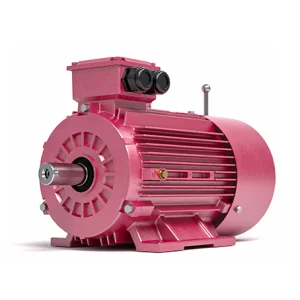
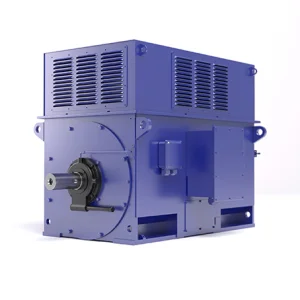
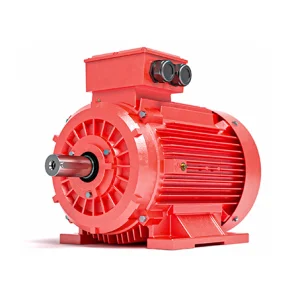
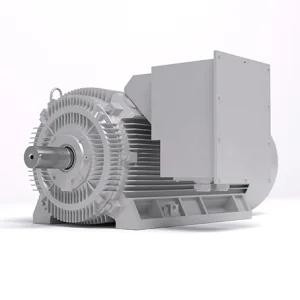
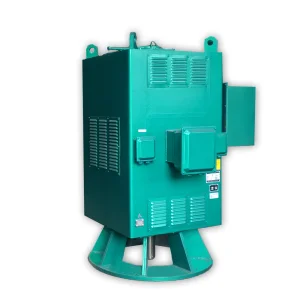
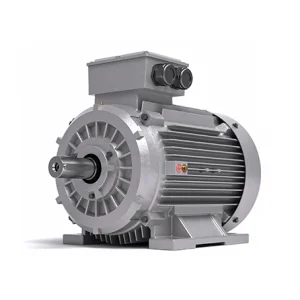
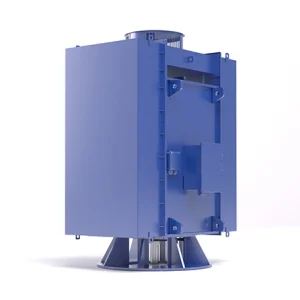
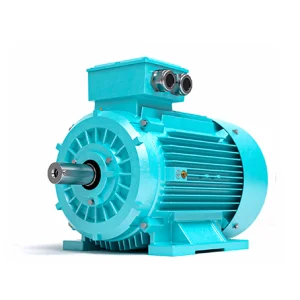
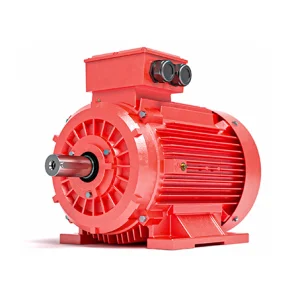
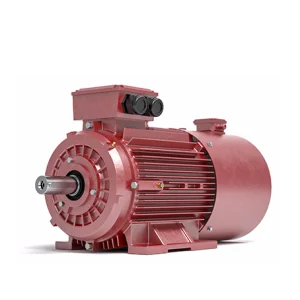
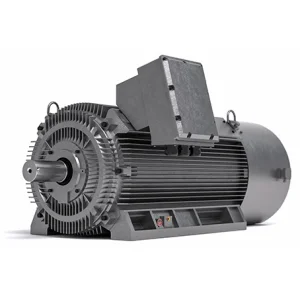
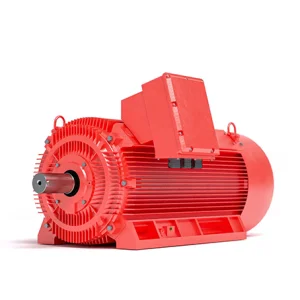
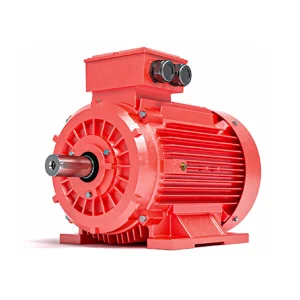
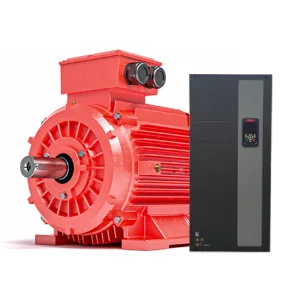
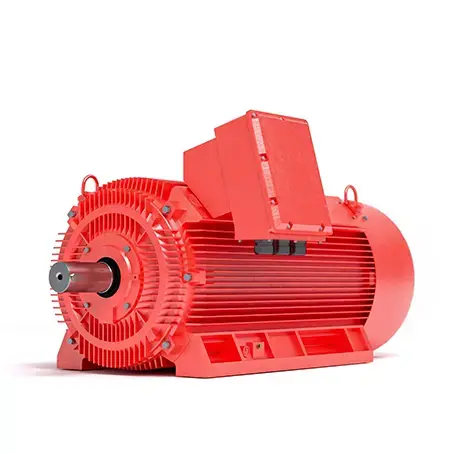
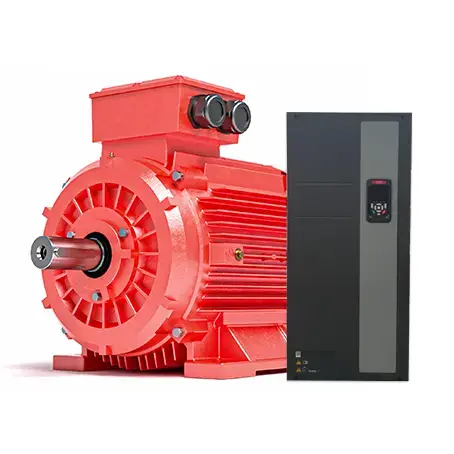
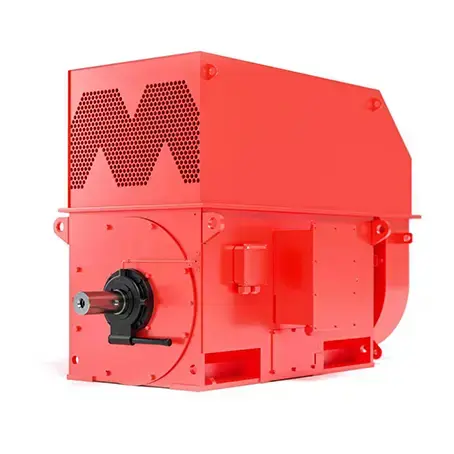
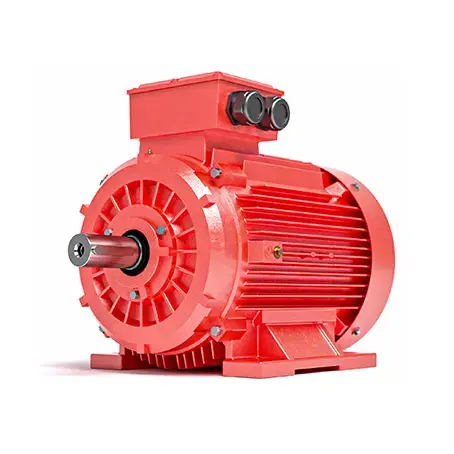
Explore our high-performance industrial motors engineered with optimized no-load current profiles for reduced energy waste.
In the arena of industrial electromechanical manufacturing, the term "No-Load Current" (Io) serves as a critical proxy for a motor's structural, electromagnetic, and thermodynamic efficiency. Formally, no-load current is the electric current drawn by an induction motor when operated at rated voltage and frequency without carrying any external mechanical load. It comprises two vector components: the magnetizing current (Im) which sets up the rotating magnetic flux across the air gap, and the active loss current (Ic) which overcomes core losses (hysteresis and eddy currents) and mechanical friction.
For global OEMs, minimizing the magnetizing current component is paramount. High no-load current leads to a severely degraded power factor during partial-load conditions. The power factor ($PF = \cos \phi$) at low loads is directly constrained by the proportion of reactive magnetizing current to the total current. To optimize these curves, top-tier factories like Shandong Sunvim Motor apply rigorous Finite Element Analysis (FEA) to design stator winding slots, optimize the stator-rotor air gap down to fractional millimeters, and use cold-rolled silicon steel laminations with superior magnetic permeability.
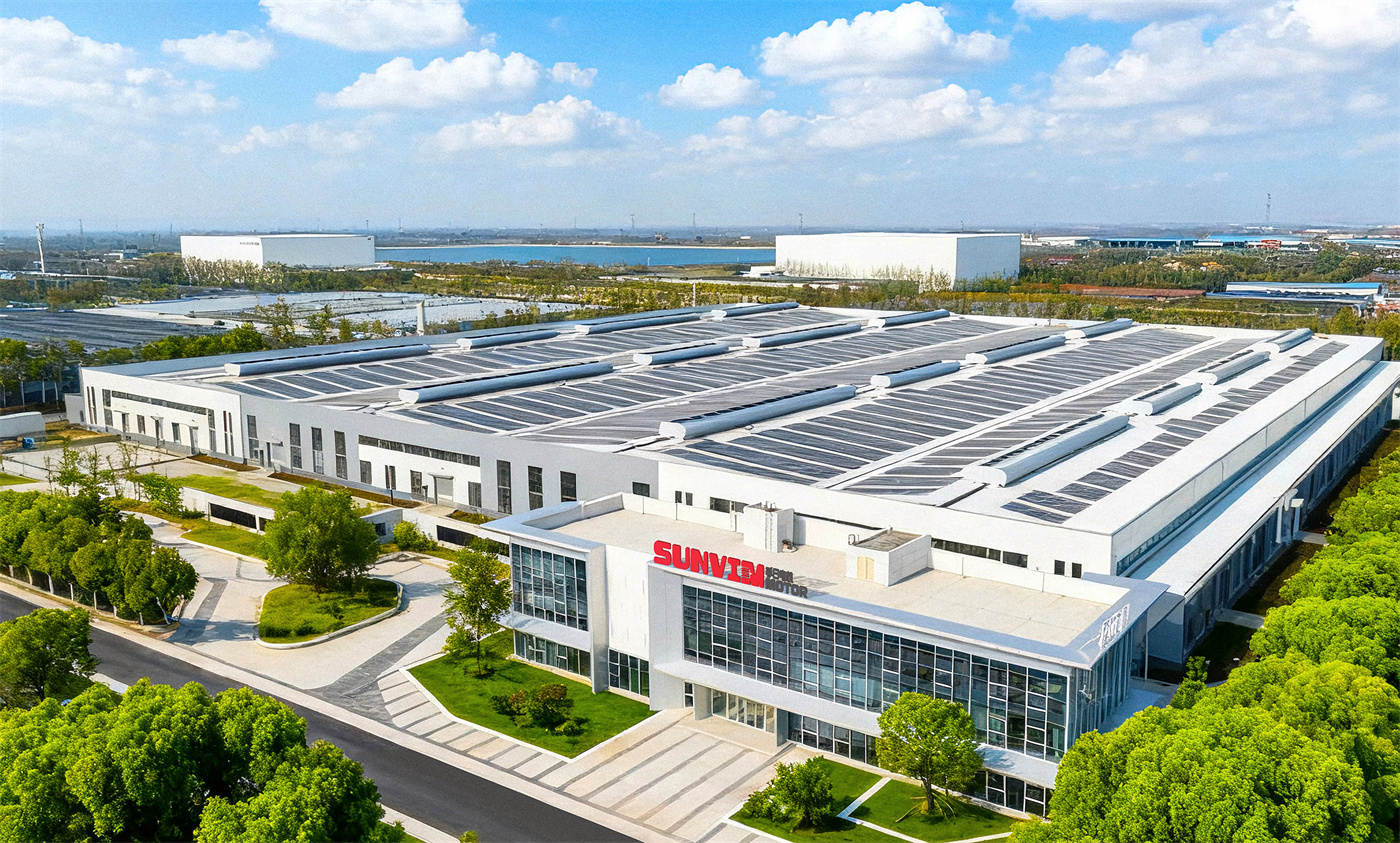
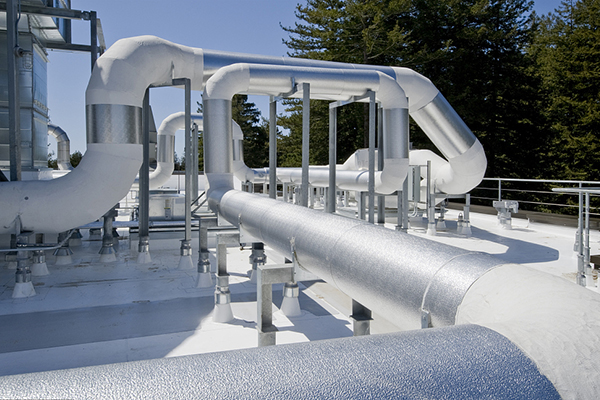
As energy performance requirements tighten globally (with EU Minimum Energy Performance Standards reaching IE3 and IE4 levels, moving towards IE5), the procurement paradigm of multinational enterprises has evolved. Sourcing agents no longer evaluate motors based solely on raw purchase price; rather, total cost of ownership (TCO) and partial-load efficiencies have taken center stage. Systems operating in variable load profiles—such as chemical pumps, mining ventilation, and HVAC compressors—suffer heavy reactive power penalties if their no-load currents are uncontrolled.
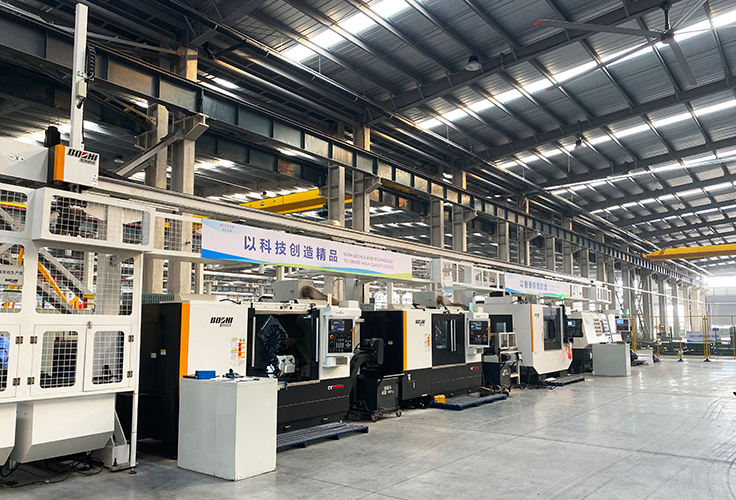
To meet these demanding parameters, China's Factory 4.0 methodology bridges the gap between mass-scale manufacturing and custom electromagnetic precision. At Sunvim Motor, we have established a highly resilient, vertically integrated supply chain backed by the financial strength of Sunvim Group. By deploying automated shaft machining lines, automated high-pressure aluminum die-casting for rotors, and computer-controlled insulation winding systems, we minimize human-induced variance. This ensures that the air gaps are perfectly concentric, reducing magnetizing losses and maintaining a low, highly stable no-load current baseline across large production batches.
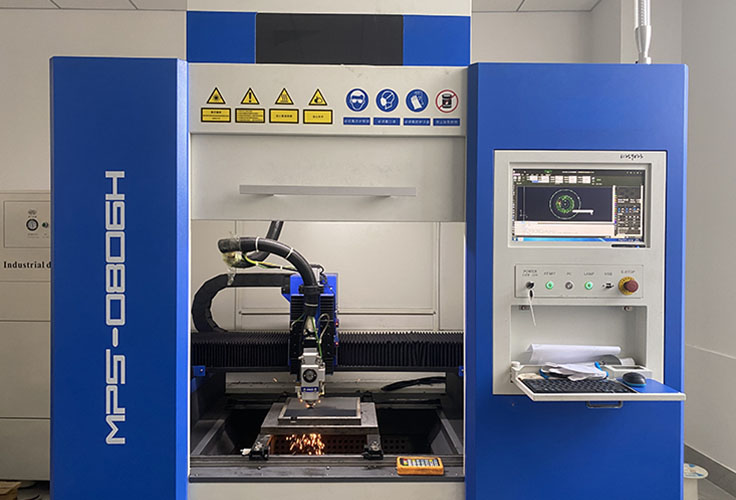
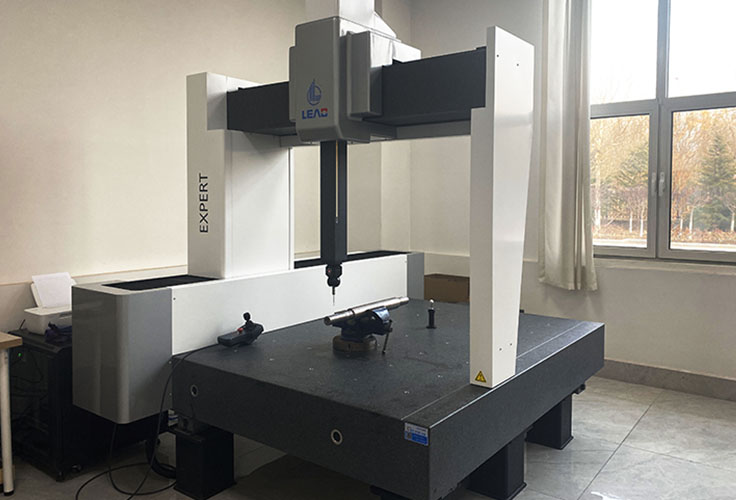
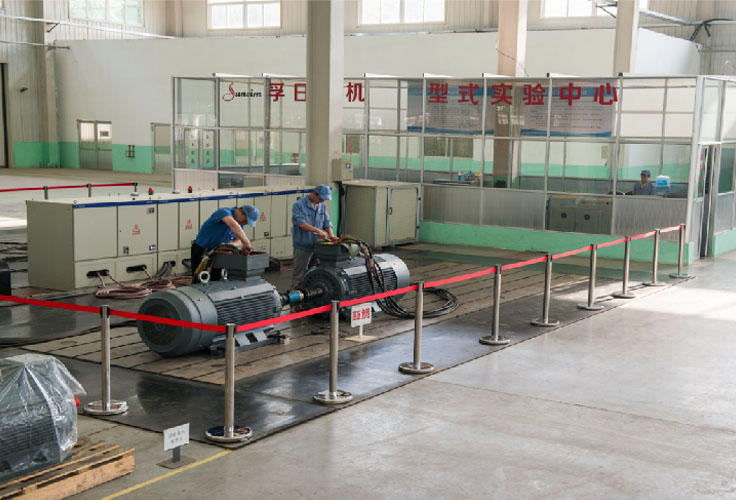
Our facility is equipped with over 400 sets of advanced manufacturing, precision checking, and testing gear to guarantee strict tolerances and optimal motor physics.
The operating environment dictates the acceptable range of no-load current. For instance, in maritime applications, marine induction motors run under high humidity and saline atmospheres. The stator core material must resist corrosion without compromising core permeability, which would otherwise drive the hysteresis losses high and dramatically increase the active no-load current component. Sunvim's range of CCS and ABS-certified marine motors utilizes custom laminations with special anti-oxidation coatings, preserving efficiency in challenging marine environments.
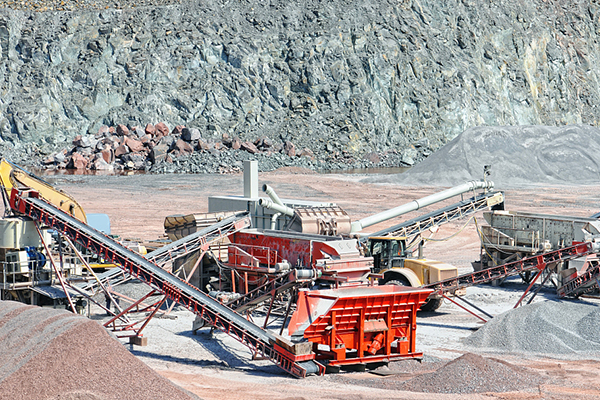
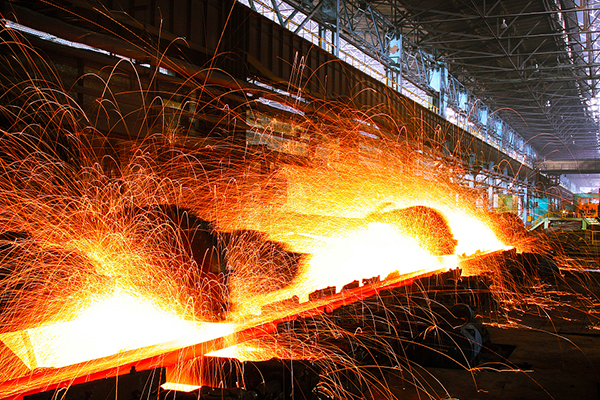
Conversely, in high-duty industrial settings like metallurgy plants or chemical facilities, motors often operate at partial loads during cyclic processes. By integrating our converter-fed three-phase induction motors with variable frequency drives (VFD), system designers can manipulate the voltage-to-frequency ratio dynamically. This optimizes the excitation current at reduced loads, yielding substantial energy savings in ventilation, municipal water supply pumping, and conveying systems.

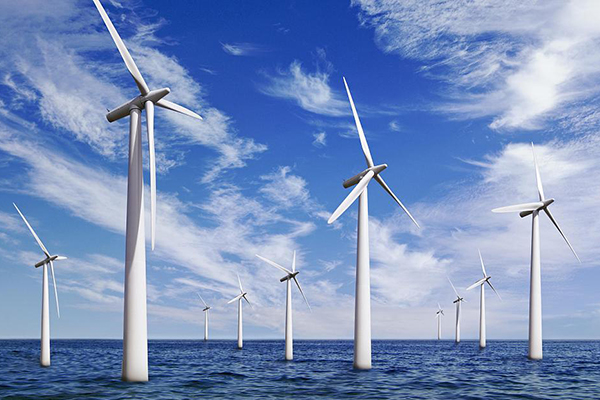
Gaomi Electric Appliance Factory was established. In 1988, renamed as Weifang Electric Machinery Factory.
Mr. Sun, then the factory director, set up Gaomi Towel Factory, which served as the operational predecessor of Sunvim.
Weifang Electric Machinery Factory was acquired by Sunvim. Shandong Sunvim Electrical Machinery Co. Ltd. was established.
A state-of-the-art new production facility was completed in the Sunvim Industrial Park and was renamed as Shandong Sunvim Motor Co. Ltd.
Our electrical motors conform to international benchmarks of safety, design, and efficiency. Explore our globally recognized compliance portfolio:

ISO9001:2015
CE

UKCA

UL
SABS
CCS
ABS
DNV
Industrial engineers and procurement specialists frequently raise critical queries regarding the correlation between a motor's no-load current profile and its field reliability. Here are detailed explanations:
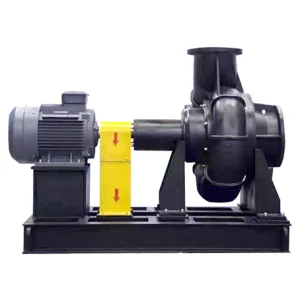
Explore our secondary high-performance line of specialized industrial pump and high-output variable duty motors.
 Sunvim Motor