Choosing the right Three Phase Motor can be challenging. Many factors influence the decision-making process. This guide will help you navigate this complex area.
Three Phase Motors are popular in industrial applications. They provide efficiency and reliability. However, not all motors are created equal. Selecting the best motor requires understanding specifications, load requirements, and operational conditions.
You may find conflicting information in your research. Some sources emphasize horsepower, while others focus on torque. It’s crucial to balance these aspects based on your specific needs. Consider consulting with experts who can provide tailored advice. Reflecting on your past choices can also help you avoid common pitfalls. The right Three Phase Motor will not only enhance performance but also improve durability. Make informed decisions to ensure long-term success.
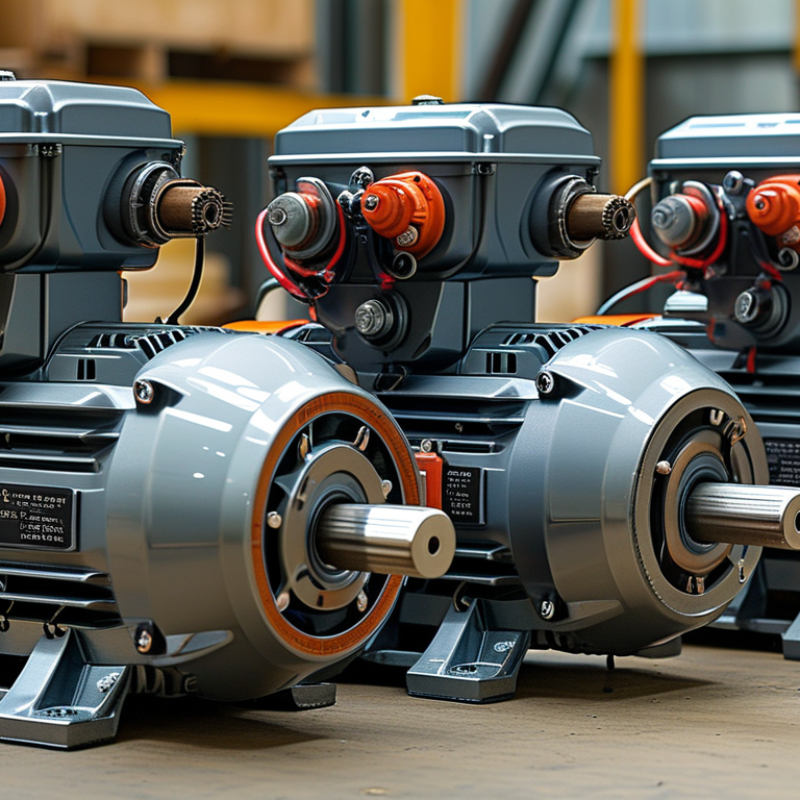
Three phase motors are widely used in industrial applications due to their efficiency and reliability. They convert electrical energy into mechanical energy, providing a consistent power supply. According to the Institute of Electrical and Electronics Engineers (IEEE), three phase motors can be up to 96% efficient. This efficiency leads to reduced energy costs over time.
Understanding the operational characteristics of these motors is crucial. They require three alternating currents. These currents are spaced 120 degrees apart, improving performance. Reports from the National Electrical Manufacturers Association (NEMA) suggest that these motors perform better under higher loads compared to single-phase motors. However, improper sizing can lead to inefficiencies and potential mechanical failures.
When selecting a three-phase motor, several critical factors come into play. Efficiency is a top priority. According to the U.S. Department of Energy, motors account for 65% of the industrial electricity consumption. Choosing a high-efficiency motor can lead to significant energy savings, reducing costs over time. Look for motors with an efficiency rating of at least 90%. This choice impacts operational efficiency tremendously.
Another vital factor is power factor. A motor’s power factor indicates how effectively it converts electrical energy into mechanical energy. A low power factor results in higher demand charges and more energy waste. Reports indicate that improving the power factor can result in savings of 2-10% on your electricity bill. It's also essential to consider the motor's operating environment. Factors like ambient temperature, humidity, and potential exposure to corrosive agents can affect performance and longevity.
Finally, think about the load requirements. Overloading a motor can lead to premature failure, while underloading reduces efficiency. The best practice is to match the motor size to the application's needs accurately. Reports show that a mismatch can decrease longevity by up to 50%. Balancing these needs with operational demands can pose challenges that require careful evaluation and planning.
When exploring the types of three-phase motors, understanding their applications is crucial. These motors come in various designs, each suited for specific industrial tasks. For instance, induction motors are widely used for their efficiency in driving pumps, fans, and conveyors. They are known for their robustness and ability to handle varying loads. This makes them ideal for continuous operations in demanding environments.
Synchronous motors, on the other hand, are designed for applications requiring precise speed control. They are often used in situations where a consistent operating speed is essential, such as in manufacturing processes or large machinery. These motors can also provide power factor correction, enhancing overall system efficiency.
A deeper look into special-purpose motors reveals the versatility of three-phase systems. For instance, some motors are designed for high-torque applications, making them perfect for heavy machinery. Others cater to low-speed, high-load operations. The choice of the right motor depends not only on the application but also on factors like load conditions and efficiency requirements. Each motor type presents unique advantages and challenges, requiring careful consideration before selection.
| Motor Type | Power Rating (kW) | Voltage Rating (V) | Efficiency Class | Common Applications |
|---|---|---|---|---|
| Squirrel Cage Induction Motor | 0.75 - 500 | 230/400 | IE1 - IE4 | Pumps, Fans, Compressors |
| Wound Rotor Induction Motor | 5 - 1000 | 400 | IE2 - IE3 | Mining, Hoisting Applications |
| Permanent Magnet Synchronous Motor | 0.5 - 300 | 230/400 | IE3 - IE5 | Robotics, Electric Vehicles |
| Stepper Motor | 0.1 - 50 | 100 - 240 | N/A | 3D Printers, CNC Machines |
| Dual-Shaft Motor | 1 - 100 | 400 | IE2 - IE4 | Mixers, Agitators |
Choosing the right three-phase motor involves careful evaluation of efficiency and performance metrics. Efficiency is often measured by the motor's energy consumption relative to its output. An efficient motor can save costs over time and reduce environmental impact. A higher efficiency rating means less energy wasted as heat. Consider how the motor operates under different loads to ensure optimal performance.
Performance metrics include torque, speed, and temperature rise. Torque is critical for applications requiring strong starting power. Speed regulation affects the motor's ability to maintain consistent performance. Monitoring temperature rise helps prevent overheating and ensures longevity. It’s crucial to analyze these factors in real-world settings, as ideal conditions may differ from daily operations.
Keep in mind that theoretical values might not reflect actual performance. Real-world variables include installation conditions and application demands. Each motor type can react differently in specific situations. Test data should guide your decision, but experiences in the field often provide valuable insights. A holistic view of efficiency and performance metrics will lead to better choices in three-phase motors.
When it comes to three-phase motors, proper installation and maintenance are crucial for optimal performance. Research indicates that incorrect installation can lead to efficiency losses of up to 30%. Ensuring that the motor is correctly aligned, properly wired, and securely mounted is essential. Every connection must be tight to prevent energy losses. Regular inspections can identify issues before they escalate, prolonging the motor's life significantly.
Maintenance practices such as regular lubrication and cleaning can greatly enhance motor efficiency. According to industry reports, motors that are maintained correctly can operate up to 10% more efficiently. It’s vital to follow the manufacturer's recommendations for oil types and lubrication intervals. Monitoring vibrations and temperatures during operation can help to catch potential failures early. A simple temperature rise can indicate an electrical fault or insufficient lubrication.
Understanding the environmental conditions around the motor is also key. Motors in dusty or humid environments may require more frequent maintenance. While it can be tempting to overlook maintenance due to costs, neglecting these tasks often leads to pricey repairs down the line. Investing in a preventive maintenance schedule is a wiser choice that pays off in operational stability and efficiency in the long run.
: Three-phase motors can reach up to 96% efficiency, reducing energy costs.
They convert electrical energy to mechanical energy reliably, providing consistent power supply.
They require three alternating currents, spaced 120 degrees apart, enhancing performance.
Improper sizing can lead to inefficiencies and mechanical failures, which are costly.
Regular inspections and thermal imaging can detect issues early and prevent downtimes.
Induction motors are efficient for driving pumps, fans, and conveyors in demanding settings.
They offer precise speed control, ideal for manufacturing processes needing consistency.
Torque, speed, and temperature rise are key metrics, affecting motor longevity and operation.
Real-world variables can differ significantly, making practical analysis vital for accurate assessments.
Yes, failing to maintain motors can result in unplanned downtimes and increased costs.
In "The Ultimate Guide to Choosing the Best Three Phase Motor," readers are provided with a comprehensive overview that demystifies the intricacies of three phase motors. The article begins by explaining the fundamental principles behind these motors, followed by key factors to consider during selection, such as load requirements and operating conditions. It also discusses the various types of three phase motors and their specific applications, enabling users to make informed choices based on their unique needs.
Furthermore, the guide delves into efficiency and performance metrics essential for evaluating three phase motors, highlighting the importance of these factors in operational effectiveness. Lastly, practical installation and maintenance tips are offered to ensure optimal performance and longevity of the motor. This structured approach equips readers with the necessary knowledge to select, install, and maintain three phase motors effectively, enhancing their industrial and commercial operations.

Sunvim Motor