Synchronous Reluctance Motor technology is changing how industries approach efficient, low-maintenance motion control. Unlike conventional motors, it relies on magnetic reluctance rather than permanent magnets. This design can reduce material dependence while supporting strong efficiency across demanding applications. It is already appearing in pumps, compressors, conveyors, fans, and automated production lines.
This guide examines the Top 10 Synchronous Reluctance Motor Manufacturers Worldwide. The comparison considers product efficiency, power ranges, torque performance, drive compatibility, thermal behavior, and documented industrial use. It also reviews engineering support, customization options, certification practices, and after-sales service. These details matter. A motor may perform well in a laboratory but struggle in a dusty factory or under frequent load changes.
The manufacturers included here represent different strengths. Some focus on high-efficiency systems for large industrial plants. Others provide compact solutions for machinery builders and commercial equipment. Practical experience shows that installation quality, inverter selection, alignment, and maintenance can influence results as much as the motor itself. Performance is contextual.
No ranking is flawless. Public technical data can differ between regions, product families, and testing methods. Some manufacturers disclose extensive operating information, while others provide fewer comparable figures. Therefore, this overview should support further technical evaluation rather than replace it. Buyers should confirm efficiency curves, duty cycles, voltage requirements, environmental ratings, service coverage, and total operating costs before making a final decision. The strongest choice is not always the most famous brand. It is the one that fits the application reliably.
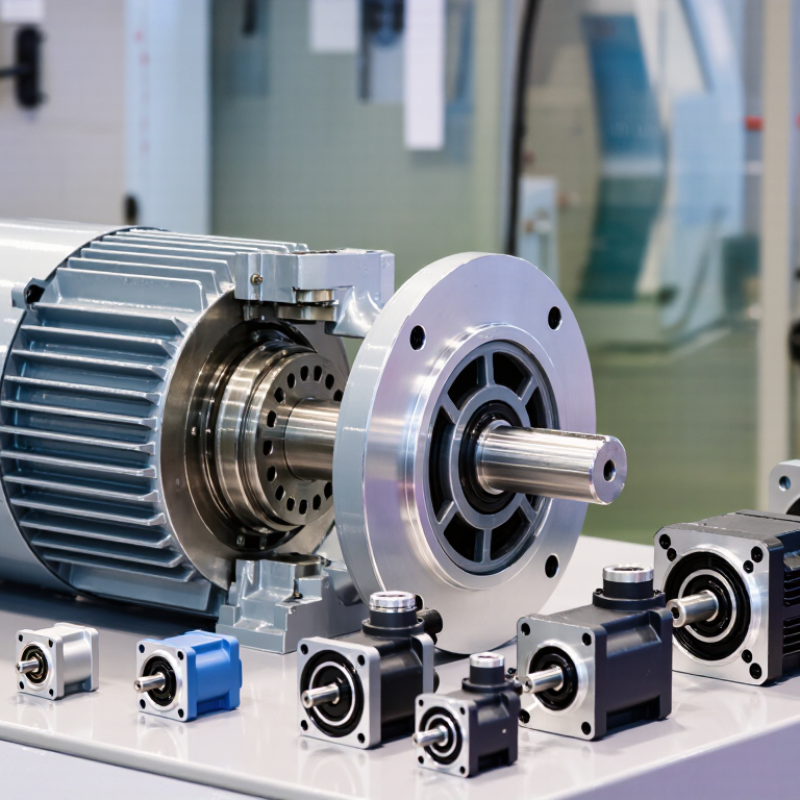
Synchronous reluctance motors create torque through magnetic reluctance rather than permanent magnets. Their rotors contain carefully shaped flux barriers, usually formed from laminated electrical steel. These barriers guide magnetic flux through preferred paths. When stator windings generate a rotating magnetic field, the rotor continually aligns with that field. Once synchronized, rotor speed matches the electrical frequency precisely. No slip occurs.
This operating principle reduces rotor copper and magnet losses, which can improve efficiency during continuous industrial duty. The motor also tolerates high temperatures well because the rotor contains no demagnetizable permanent magnets. Its compact construction can support pumps, fans, compressors, and conveyor systems. However, it normally requires an inverter for starting and speed control. Direct line starting is not its strongest feature.
In practical installations, engineers should check power factor, torque ripple, acoustic noise, and control quality together. A poorly tuned drive can make a quiet motor sound surprisingly harsh. The rotor’s flux barriers must also withstand mechanical stress at high speed. That detail is easy to underestimate. Field measurements, thermal testing, and load-cycle trials remain essential before production approval. Synchronous reluctance technology is efficient, but it is not automatically efficient in every operating range. Manufacturers that combine accurate electromagnetic design with disciplined testing usually achieve the most dependable results.
Evaluating the top ten synchronous reluctance motor manufacturers requires more than comparing catalog ratings. Buyers should examine measured efficiency across real operating loads, not only peak performance. A ranking means little without consistent testing methods. Review torque density, speed range, vibration, noise, and thermal stability under demanding duty cycles. Independent laboratory results can strengthen technical claims. Do not rely on polished brochures alone.
Global market criteria also include voltage compatibility, climate tolerance, certification coverage, and regional service capacity. A motor designed for a dry factory may struggle in humid or dusty conditions. Inspect cooling design, insulation quality, bearing life, and maintenance access.
Controllers must match the motor’s operating profile and communication requirements. Replacement parts should remain available throughout the expected equipment life. Supply continuity matters when production cannot pause.
Practical experience deserves equal weight. Request installation references from similar industries, including measured energy savings and downtime records. A serious manufacturer should explain test limits, warranty conditions, and known failure patterns clearly. Pilot testing can reveal issues hidden by laboratory data. I would also assess engineering response time, documentation quality, and field-training support. No evaluation is perfect. Weighting efficiency too heavily may overlook service delays, integration effort, or uncertain long-term reliability. The strongest candidates combine verified performance, transparent evidence, adaptable design, and dependable support across markets.
The leading ten manufacturers serve industrial automation, pumps, compressors, fans, and material handling. Their portfolios usually span low-voltage motors, variable-speed drives, and integrated control packages. IEA reports that electric motor systems consume roughly half of global electricity. This makes efficiency a serious purchasing issue.
The strongest manufacturers differentiate themselves through rotor design, automated winding, thermal management, and regional service. Their high-efficiency models commonly target IE5 performance under IEC 60034-30-2 testing principles. Factory testing often checks vibration, temperature rise, insulation strength, and efficiency across multiple load points. These details matter on a factory floor, where dust, heat, and frequent starts can expose weak designs quickly.
Several manufacturers also provide application engineering rather than motors alone. They calculate duty cycles, select bearings, match drives, and review harmonic risks. Independent market studies, including analyses from MarketsandMarkets and Fortune Business Insights, link motor demand to industrial automation and energy-efficiency investment. However, reported market values vary widely. That inconsistency deserves caution. A supplier may claim broad global coverage, yet its local repair network can remain limited. Buyers should verify measured efficiency, spare-part availability, warranty terms, and field references before ranking any manufacturer.
The leading ten manufacturers compete through complete product portfolios, not motors alone. Their offerings commonly include synchronous reluctance motors, variable-speed drives, control software, and service packages.
Modern product lines target pumps, fans, compressors, conveyors, and machine tools. Many manufacturers combine low-loss rotors with sensorless control and advanced frequency converters. Ferrite-assisted designs can improve torque density, although they may increase cost and manufacturing complexity. Some portfolios cover outputs from small HVAC units to heavy industrial equipment.
In practical use, a motor driving a chilled-water pump can reduce heat, cabinet size, and maintenance demand.
Industrial buyers increasingly request IE5-class efficiency, digital monitoring, and easy replacement of older induction motors. The European Commission’s ecodesign framework has strengthened efficiency expectations for motors and drives.
Still, comparisons are not perfectly clean. Published efficiency figures often depend on load, speed, drive settings, and test conditions. A laboratory result may not match a dusty plant floor. Installation quality matters more than many brochures admit. Data from the IEA and U.S. Department of Energy supports the energy-saving case, but lifetime performance requires field measurements, service records, and a careful review of total system efficiency.
Synchronous reluctance motor manufacturing is becoming more regionalized. European producers often prioritize industrial efficiency, strict energy standards, and compact machine designs. Asian factories emphasize production scale, cost control, and rapid integration with automated equipment. North American manufacturers increasingly focus on electric mobility, warehouse systems, and energy-saving upgrades for older facilities.
Local supply chains are gaining importance. Manufacturers now examine steel grades, rotor tolerances, sensor availability, and testing capacity closer to production sites. This reduces shipping risks and improves response times. However, regional sourcing can increase costs. Forecasts are not flawless. Some markets may adopt these motors more slowly than expected because installation teams need specialized training.
Future development will likely combine improved magnetic circuit design with smarter control software. Engineers are testing quieter rotors, lighter housings, and better thermal management. Digital monitoring may detect vibration or temperature changes before failures interrupt production. In practical terms, a factory could receive a warning while a motor is still operating normally. That is useful, but data quality remains a weakness in many older plants.
Tips: Compare efficiency across real load conditions, not only brochure ratings. Check service skills, spare-part access, and testing records. Ask manufacturers for measured noise, heat, and vibration results. A small pilot installation can reveal problems hidden by laboratory data.
Compare measured efficiency across real operating loads, not only peak ratings. Check torque density, speed range, vibration, noise, and thermal stability. A ranking can still mislead.
Factory motors may face dust, heat, humidity, and frequent starts. Laboratory results might not show these stresses. Pilot testing can expose hidden weaknesses.
Review rotor design, cooling, insulation, bearing life, and maintenance access. Check temperature rise and insulation strength during factory testing. Small details matter.
Confirm voltage, speed range, communication needs, and operating profiles. The controller must match the motor’s duty cycle. Poor matching can increase heat and integration effort.
Consider humidity, dust, ambient temperature, and enclosure requirements. A motor built for a dry factory may struggle in a damp workshop. Climate tolerance matters.
Request independent laboratory results and factory test records. Ask for efficiency measurements at several load points. Do not rely on polished brochures alone.
References should come from similar industries, such as pumps, compressors, fans, or material handling. Request measured energy savings and downtime records. Numbers are better than praise.
Local engineering support can shorten installation delays and repairs. Verify spare-part availability, warranty terms, response times, and training support. Supply continuity matters.
Efficiency matters, but it should not dominate the entire ranking. Service delays, integration effort, and long-term reliability also affect operating costs. No method is perfect.
This article explores the operating principles and key features of the Synchronous Reluctance Motor, focusing on how its rotor design, magnetic reluctance, and synchronous operation support efficient and reliable performance. It also explains the criteria used to evaluate motor manufacturers worldwide, including engineering expertise, production quality, energy efficiency, customization capabilities, testing standards, global service, and long-term market development.
The profiles of the top 10 manufacturers compare their product portfolios, motor technologies, control solutions, and applications across industries such as manufacturing, pumping, ventilation, transportation, and renewable energy. The article also examines regional manufacturing trends, including the growing demand for high-efficiency motors, smart monitoring, compact designs, and integrated automation. Finally, it considers future developments that may improve the Synchronous Reluctance Motor through advanced materials, digital controls, improved thermal management, and more sustainable production methods.

Sunvim Motor