China’s Top 10 High Torque Electric Motor Manufacturers
A high-torque motor earns its place through more than a large number on a specification sheet. It must deliver usable torque at low speed, withstand heat, and perform reliably under the intended duty cycle. For buyers comparing China’s manufacturers, those details matter. A motor driving a conveyor under steady load faces different demands from one powering a compact industrial actuator through repeated starts and stops.
Electric-machine researcher Professor Ion Boldea has written extensively about motor design and performance. In paraphrase, a practical lesson from his work is: “Torque capability must be judged alongside thermal limits and operating conditions.” That distinction is easy to overlook. A polished datasheet may show impressive peak torque, yet omit how long the motor can sustain it. Ask for continuous and peak ratings, cooling details, speed-torque curves, and test conditions.
This guide introduces ten Chinese manufacturers and the factors that help distinguish them. It considers product focus, customization, documentation, production capabilities, and support—not just headline specifications. Where available, independent test reports and clearly stated operating limits can make comparisons more dependable. A supplier’s response to technical questions is useful evidence, too. Request drawings and confirm shaft, mounting, voltage, and control requirements before shortlisting a model. Still, no ranking can replace application-specific validation. That may be inconvenient. It is also a sensible safeguard when selecting a High Torque Electric Motor for real equipment.
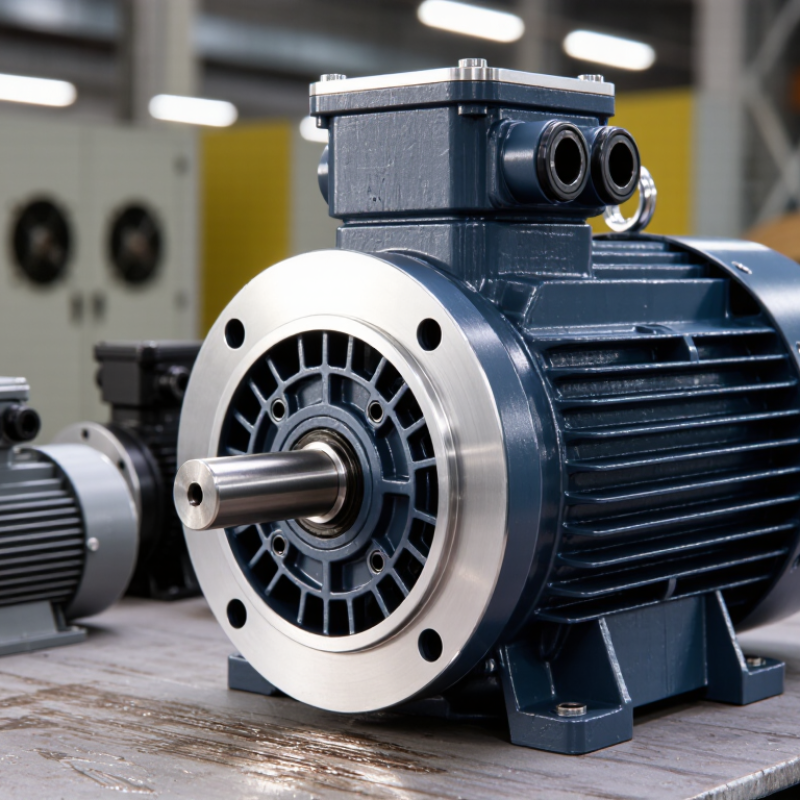
High-torque electric motors produce strong turning force, especially at low speeds. This helps move heavy loads without requiring rapid rotation. Think of a conveyor starting with a full belt, or a lifting mechanism raising a steel fixture. In these situations, starting torque and controlled movement matter more than top speed.
Several motor types meet these needs.
Induction motors are robust and widely used in industrial equipment, though their speed control depends on the drive system.
Permanent-magnet synchronous motors offer high efficiency and compact torque, but need a compatible controller.
Brushless DC motors use electronic commutation and suit applications requiring responsive speed control.
Switched-reluctance motors have a simple, rugged rotor; however, noise and torque ripple can be drawbacks.
Gear motors combine an electric motor with a gearbox. They are not a separate electromagnetic motor type, but they can increase output torque while reducing speed.
Specifications need context. Continuous torque, peak torque, operating speed, cooling, and duty cycle all affect real performance. A large peak figure can mislead. For example, a motor may deliver high torque briefly but overheat during repeated starts. Selection is rarely tidy; installation space and load variation can change the answer. Check the full operating range, not just one headline number.
When comparing high-torque electric motor manufacturers, begin with the torque figures, but read the conditions behind them. Continuous torque describes sustained output; peak torque may last only seconds. Check the rated speed, operating range, and duty cycle alongside both values. A motor rated for heavy loads at low speed may behave differently near its maximum speed. Numbers need context.
Ask for test conditions, including voltage, cooling method, and ambient temperature. These details make specification sheets easier to compare fairly.
Thermal performance deserves close attention. Review winding insulation, temperature limits, and cooling requirements, especially for equipment that runs for long shifts. Compare efficiency across the actual operating range, not only at one favorable point.
Check shaft dimensions, mounting tolerances, feedback options, and protection ratings against the machine design. Torque ripple and vibration can also affect positioning, noise, and component wear. Request test reports or traceable measurement data where available.
A polished table can still hide assumptions. Even experienced buyers can miss a mismatch between a laboratory rating and a real installation. Ask how the motor handles repeated starts, changing loads, and limited airflow before choosing a supplier.
How China’s Top Ten Manufacturers Are Selected
Selecting China’s top ten high-torque electric motor manufacturers should begin with evidence, not catalog claims. The International Energy Agency’s 2011 report, Energy-Efficient Motor Systems, estimates that motor-driven systems consume 43–46% of global electricity. Efficiency matters. High torque also needs proof at low speeds and under repeated loads.
A credible shortlist should compare verified torque-speed curves, rated and peak torque, thermal rise, overload duration, vibration, and efficiency. Ask for test conditions, not just peak figures: shaft speed, ambient temperature, cooling method, and duty cycle can change results. IEC 60034-2-1 specifies methods for determining rotating-machine losses and efficiency; reports should identify the method used. The U.S. Department of Energy’s 2014 sourcebook estimates motor-driven systems use about 69% of U.S. industrial electricity. System-level checks matter.
Reviewers should also inspect traceable test records, batch quality controls, material specifications, delivery history, spare-parts access, and service response. Talk with operators about actual load cycles. A polished laboratory curve may not match a hot, dusty production line. Rankings remain imperfect when duty profiles differ, so publish scoring weights and evidence gaps rather than presenting one score as universal.
Profiles of ten leading Chinese high-torque motor manufacturers are most useful when they reveal engineering differences, not just catalog ratings. The International Energy Agency’s 2011 report, Energy-Efficiency Policy Opportunities for Electric Motor-Driven Systems, estimated that motor-driven systems used roughly 45% of global electricity. That scale makes efficiency and reliability practical purchasing concerns. Real torque matters. So does heat.
A careful profile should compare starting torque, torque-speed curves, overload duration, cooling design, and insulation class. It should also note whether a manufacturer builds direct-drive, geared, or application-specific motors. A crane motor facing repeated starts has different demands from a low-speed conveyor motor running through long shifts. Look for test conditions, efficiency data, and service-life evidence, rather than relying on “heavy-duty” wording alone. Those details are often missing. That is a limitation worth stating. Without comparable test methods, ten suppliers cannot be ranked confidently from public specifications alone. The profiles therefore work best as a shortlist for technical review, with final selection tied to the machine’s load cycle, ambient temperature, and maintenance capacity.
High-torque electric motors serve industries where loads are heavy, movement is slow, or starts are frequent. In steel plants, they drive rolling stands, cranes, and slab conveyors. China produced 1,019.1 million tonnes of crude steel in 2023, according to World Steel Association data published in 2024. That scale helps explain the demand for reliable drive systems. But a large motor is not automatically the right one.
Mining and cement operations use high torque for crushers, mills, and loaded belt conveyors. Ports need it for cranes and bulk-handling equipment, while water facilities may use it in large pumps. The International Energy Agency’s 2011 report, Energy-Efficiency Policy Opportunities for Electric Motor-Driven Systems, estimates that motor-driven systems consume about 46% of global electricity. Efficiency deserves attention. Buyers should compare torque at low speed, starting conditions, duty cycle, cooling, and maintenance access. A conveyor that starts under load needs different performance from a pump running steadily. Engineers still make compromises. In practice, site dust, heat, and uneven loading can undermine an otherwise sound specification.
Compare continuous torque with peak torque. Peak output may last only seconds. Check rated speed, operating range, and duty cycle.
Ask for voltage, cooling method, and ambient temperature. Numbers need context. These details help make specification sheets comparable.
Long shifts can heat motor windings. Review insulation, temperature limits, and cooling needs, especially where airflow is limited.
Check shaft dimensions and mounting tolerances. Confirm feedback options and protection ratings suit the machine design.
Compare efficiency across the actual operating range, not just one favorable point. A 2011 energy report estimates motor-driven systems use about 46% of global electricity.
Steel plants use them in rolling stands, cranes, and slab conveyors. Mines and cement sites use them in crushers, mills, and loaded belts.
Review starting torque, changing loads, and duty cycle. A belt starting under load differs from a pump running steadily.
Dust, heat, and uneven loading can challenge a sound specification. Ask about repeated starts and maintenance access. Even careful teams can miss a site-specific mismatch. It happens.
This article introduces the main types of High Torque Electric Motor and explains how their designs suit different operating needs. It outlines the key specifications buyers can compare, including torque, power, speed range, efficiency, durability, and control compatibility. It also describes a practical approach to selecting China’s leading manufacturers, considering factors such as engineering capability, product range, quality management, customization options, and customer support.
The article then presents profiles of ten Chinese manufacturers without focusing on any single brand, highlighting the kinds of motor solutions they offer and the considerations that may help buyers assess them. Finally, it surveys the industries and applications these manufacturers serve, from industrial machinery and material handling to automation, transportation, and other equipment requiring reliable, high-torque performance.

Sunvim Motor