In the rapidly evolving landscape of electric motors, understanding the options available is crucial for global buyers. Industry expert Dr. Emily Harper emphasizes, "Choosing the right electric motor can significantly impact efficiency and performance." Her insights underscore the importance of thorough research in this sector.
Electric motors serve various applications, from renewable energy systems to electric vehicles. The range of options can be overwhelming. Buyers must consider factors like efficiency, durability, and specific use cases. Understanding these elements helps ensure the right choice is made.
However, navigating the electric motor market isn't without challenges. Misalignment between needs and available technologies often leads to suboptimal purchases. It's vital to engage with trusted sources and continuously evaluate emerging technologies. Knowledgeable decision-making in this domain can drive substantial advancements in operational efficiency and sustainability.
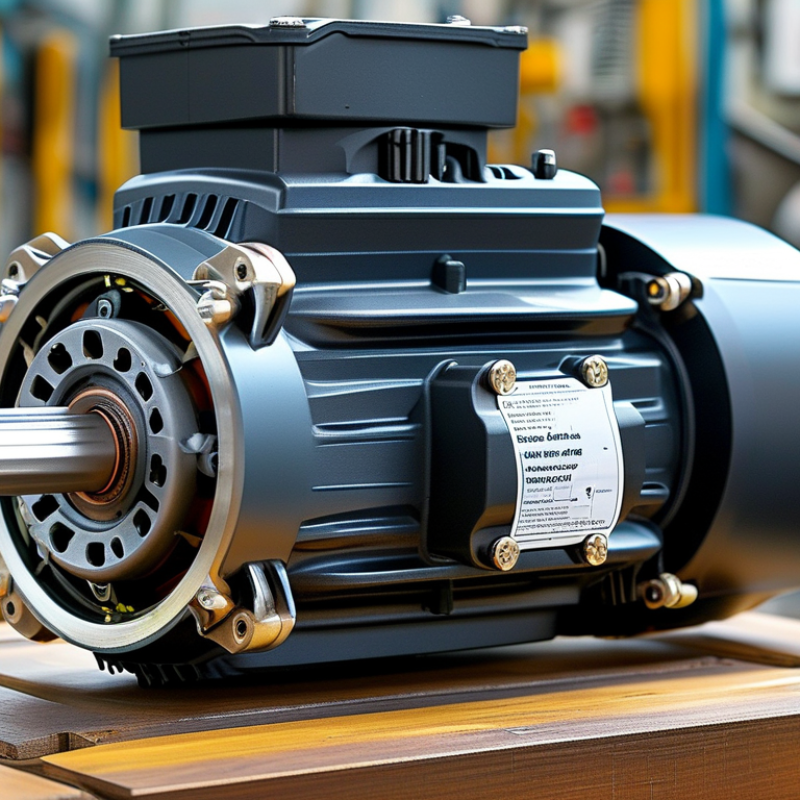
Electric motors come in various types, each suited for different applications. Understanding these options is essential for global buyers. AC and DC motors are the two primary categories. AC motors are widely used in industrial settings, driven by alternating current. They are known for their reliability and efficiency. In contrast, DC motors are favored for applications requiring precise speed control. They operate on direct current, making them ideal for electronic devices and small appliances.
Brushless motors have gained popularity due to their efficiency and longer lifespan. These motors have no brushes, reducing maintenance needs. This feature appeals to many industries, from automotive to robotics. However, they tend to come with a higher initial cost. Induction motors are another common type. They are robust and require minimal maintenance, making them a go-to choice for heavy-duty applications.
Buyers must also consider factors like torque and power requirements. Each motor type has its strengths and weaknesses. Making the right choice involves not just looking at specifications but also understanding specific application needs. Balancing efficiency with investment can be challenging. The evolving technology landscape adds another layer of complexity. Continuous learning and adaptation are crucial for making informed decisions in this dynamic market.
| Motor Type | Power Range (kW) | Typical Applications | Efficiency (%) | Cost (per kW) |
|---|---|---|---|---|
| AC Induction Motor | 0.75 - 500 | Pumps, Fans, Compressors | 85 - 95 | $50 - $150 |
| DC Brushless Motor | 0.1 - 100 | Electric Vehicles, Robotics | 90 - 98 | $80 - $200 |
| Permanent Magnet Synchronous Motor | 1 - 500 | Industrial Drives, Elevators | 90 - 94 | $100 - $250 |
| Stepper Motor | 0.01 - 100 | 3D Printers, CNC Machines | 70 - 85 | $30 - $100 |
| Switched Reluctance Motor | 1 - 300 | Electric Drives, Household Appliances | 85 - 92 | $70 - $180 |
When choosing electric motors, various factors come into play. Buyers should consider motor types, power requirements, and efficiency. Each motor type serves different applications. Understanding these specifications can greatly influence your decision.
Tips: Always assess your specific needs first. If you need high torque at low speeds, select a suitable motor type. For applications requiring variable speed, consider brushless options for flexibility.
Reliability and maintenance are critical considerations. Durable motors can reduce downtime and repair costs. However, cheaper options may lead to frequent failures. Reflect on long-term expenses before making a purchase.
Tips: Evaluate warranty details and service availability. A good warranty indicates manufacturer confidence. Don't overlook post-purchase support; it's invaluable if issues arise.
Lastly, energy efficiency should not be neglected. Efficient motors consume less energy, translating to lower utility bills. But, higher efficiency often comes with greater upfront costs. Balancing initial costs and long-term savings requires careful thought.
When exploring the landscape of electric motor manufacturers, several key players stand out. These companies are influential in shaping the market with innovative designs and technologies. They focus on high efficiency and reliability. Their electric motors find applications across industries, from automotive to robotics.
Some manufacturers emphasize sustainability in their production processes. They aim to reduce waste and energy consumption. The integration of smart technologies has also grown. This leads to enhanced performance and user control. Despite these advancements, some companies face challenges like supply chain disruptions and fluctuating material costs.
Quality control remains a critical focus. Many manufacturers invest significantly in testing and standards compliance. While this increases production costs, it ensures the final products meet consumer expectations. However, not all companies maintain the same level of rigor. This variability can affect motor performance and reliability in the long run. It’s crucial for buyers to conduct thorough research and consider these factors before making a decision.
Electric motor technology is experiencing rapid advancements. These changes are crucial for manufacturers and consumers alike. Emerging trends focus on efficiency, compact design, and improved performance. Innovations are pushing boundaries, enabling electric motors to become lightweight yet powerful.
One notable trend is the integration of smart technology. Motors now come equipped with sensors for real-time monitoring. This allows for predictive maintenance, reducing downtime and improving reliability. Increased connectivity is also noteworthy. Motors can communicate with other machinery, optimizing operations across industries.
Tips: When selecting an electric motor, assess your specific application needs. Consider power requirements and environmental factors. Also, stay updated on advancements. New technologies may offer significant benefits.
Another aspect to note is the evolving materials used in motor production. Lightweight composites are gaining traction. They enhance the motor's performance and efficiency. However, sourcing sustainable materials remains a challenge. Manufacturers must prioritize eco-friendly practices, balancing innovation with responsibility.
Tips: Investigate the sustainability of materials. Are they sourced ethically? An informed decision today can lead to better products tomorrow.
Electric motors play a crucial role across various industries. They are essential in manufacturing, transportation, and energy sectors. According to a report by Research and Markets, the global electric motor market is anticipated to reach $157.12 billion by 2023, growing at a CAGR of 6.30%. This indicates a robust demand for reliable and efficient motor solutions.
In the manufacturing sector, electric motors power conveyor systems, pumps, and compressors. They enhance productivity and reduce operational costs. A study shows that adopting energy-efficient electric motors can save about 30% in electricity consumption. On the transportation front, electric motors are pivotal in electric vehicles, making them a key player in reducing carbon emissions. Furthermore, their application in renewable energy systems, such as wind and solar, is gaining traction.
Tip: When selecting an electric motor, consider application-specific requirements. Factors like torque, speed, and environment should guide your choice. For example, harsh conditions may necessitate motors with specific housing types. Keep in mind that understanding these specifications early could save time and costs later in the process.
Another area of growth lies in automation and robotics. Here, electric motors provide precision and control. Nonetheless, the market faces challenges. Issues like supply chain disruptions and fluctuating raw material prices can affect availability and costs. It’s important to stay informed about market trends and emerging technologies that can impact your decisions.
: Consider motor types, power requirements, and efficiency to match your specific application needs.
Choose a motor that offers high torque designed specifically for low-speed operations.
Reliable motors minimize downtime and repair costs, crucial for maintaining operational efficiency.
A strong warranty indicates manufacturer confidence and can provide essential post-purchase support.
Efficient motors reduce energy usage, resulting in lower utility bills but may have higher upfront costs.
Many manufacturers focus on reducing waste and energy during production, enhancing their environmental impact.
Strict quality control ensures products meet standards, directly affecting performance and reliability.
Cheaper options may lead to more frequent failures, increasing long-term costs despite initial savings.
Smart technologies enhance performance and user control, a growing trend in electric motor development.
Fluctuating material costs and disruptions can impact production, leading to potential delays in motor availability.
The article "Top Electric Motor Options for Global Buyers to Consider" provides a comprehensive exploration of the various electric motor types available worldwide. It highlights the importance of understanding key factors such as efficiency, power requirements, and environmental impact when selecting electric motors for specific applications. Moreover, it discusses the leading manufacturers in the industry, presenting insights into their contributions to electric motor innovation.
In addition, the article addresses emerging trends in electric motor technology, including advancements in materials and design that enhance performance and sustainability. Finally, it examines the diverse applications of electric motors across industries such as automotive, manufacturing, and renewable energy, underscoring their pivotal role in driving modern technological developments.

Sunvim Motor