10 Tips for Choosing Efficient Motors for Global Buyers

Time:2026-10-16 Author:Oliver
0%

Choosing the right motor is no longer a narrow engineering decision. It affects energy bills, production stability, carbon reporting, and equipment life across global supply chains. The International Energy Agency’s Energy Efficiency 2023 report identifies industry as a major energy-consuming sector, while the U.S. Department of Energy notes that motor-driven equipment represents a substantial share of industrial electricity use. These findings make Efficient Motors a commercial priority, not merely a technical upgrade.

Yet efficiency labels alone can mislead buyers. A motor with a premium efficiency rating may perform poorly if its load, duty cycle, voltage, or cooling environment is incorrectly matched. In a humid factory, for example, inadequate protection can shorten insulation life. In a warehouse operating conveyors for eighteen hours daily, small efficiency differences can accumulate into significant annual savings. The European Commission’s Ecodesign requirements and IEC 60034-30-1 efficiency classes provide useful comparison points, but they do not replace site-specific evaluation.

This guide presents ten practical tips for international buyers. It considers efficiency class, variable-speed operation, starting torque, service factors, maintenance access, certification, and supplier reliability. It also examines total cost of ownership, including electricity, downtime, spare parts, and disposal. Numbers matter. So does context.

A perfect choice is unlikely.

Manufacturers sometimes publish ideal laboratory results. Real factories are less cooperative. Buyers should request test conditions, independent documentation, and performance data at partial load. That extra questioning may reveal a better motor—or expose an assumption that needed correction.
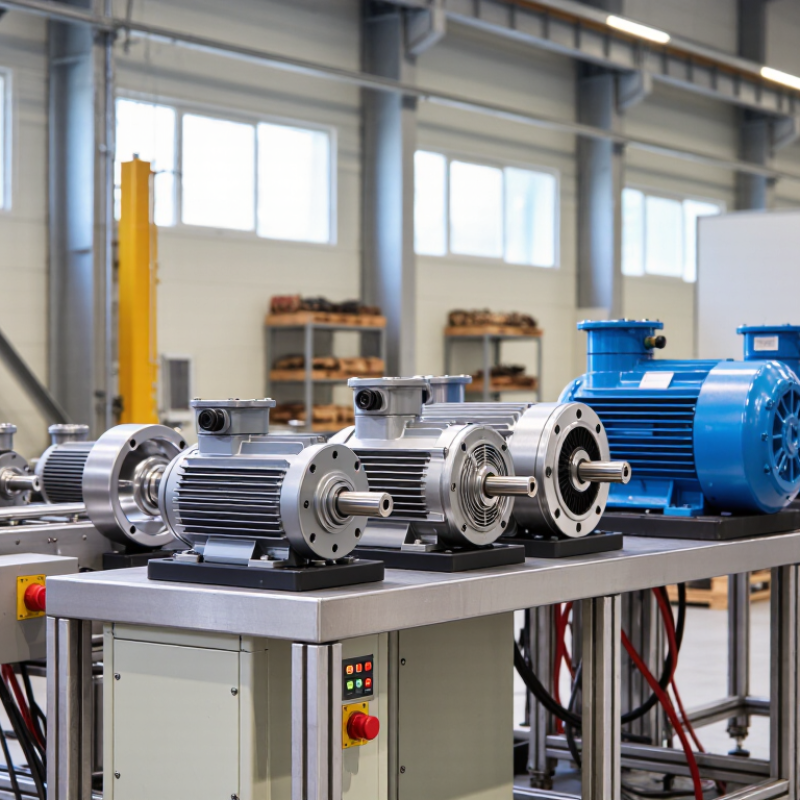
10 Tips for Choosing Efficient Motors for Global Buyers

Define Motor Efficiency and Its Importance in Global Applications

Motor efficiency is the ratio of useful mechanical output to electrical input. A 90% efficient motor converts 90 watts into motion from every 100 watts consumed. The remaining energy becomes heat, noise, and internal loss. This definition sounds simple, but real performance depends on load, speed, temperature, and operating hours.

Efficiency matters because motors often run for thousands of hours annually. A small percentage difference can increase electricity costs, cooling demands, and carbon emissions. In a factory operating across hot regions, poor efficiency may also shorten insulation life. I have found that motors running far below their rated load often perform worse than buyers expect. The nameplate is not a guarantee.

Global applications require careful comparison. Voltage and frequency must match the local power supply. Buyers should also check duty ratings, enclosure protection, altitude limits, and ambient temperature. A motor tested under ideal conditions may deliver different results in a dusty workshop or unstable grid. Independent test reports and recognized efficiency classifications provide stronger evidence than marketing claims. However, test methods can differ, so comparisons should use the same standards and operating points. Measure the actual load when possible. A quick site reading may reveal oversizing, frequent starts, or poor alignment. These details sometimes matter more than a slightly higher rated efficiency. 马会

Match Motor Types to Load Requirements and Operating Conditions

Choosing an efficient motor starts with the load, not the catalog rating. A conveyor needs steady torque, while a crusher demands high starting torque and shock resistance. A pump may operate efficiently with a different motor than a fan. Match speed, torque, duty cycle, and acceleration requirements before comparing efficiency figures. I have seen oversized motors run lightly loaded for years. The nameplate looked impressive, but the energy bill did not.

Operating conditions can change the correct motor type. Variable-speed applications often need a motor designed for inverter control, especially during frequent acceleration. Outdoor equipment may face rain, dust, salt air, or wide temperature swings. Select suitable enclosure protection, insulation, cooling, and bearings for those conditions. Check altitude, supply voltage, frequency, and available starting current. Small details matter. A motor installed beside a hot furnace may need more thermal margin than its load calculation suggests.

Ask for verified test data, not only estimated savings. Review efficiency across the actual load range, because a motor rarely runs at full capacity all day. Consider service access, replacement parts, noise, and maintenance skill at the site. In one installation, we trusted a clean spreadsheet and underestimated short cycling. The motor met its rating, yet repeated starts increased wear. Recheck assumptions with measured current, temperature, and runtime data. A practical choice may be slightly less efficient on paper, but more reliable under real operating conditions.

Compare Energy Ratings, Performance Data, and Lifecycle Costs

10 Tips for Choosing Efficient Motors for Global Buyers

Tip: Compare energy ratings under the same operating conditions. A high efficiency class can still perform poorly if the motor is oversized. Check rated load, speed, voltage, frequency, and power factor together. A motor running at 40% load may waste more energy than expected. Real factory data matters more than a single catalogue figure.

Tip: Study performance data beyond peak efficiency. Review starting current, torque curves, temperature rise, vibration, and noise levels. These details reveal how the motor behaves beside conveyors, pumps, or compressors. Ask for test conditions and measurement tolerances. Figures without context can mislead buyers. I have seen attractive efficiency numbers fail during frequent starts.

Tip: Calculate lifecycle costs, not only purchase price. Include electricity, installation, controls, maintenance, downtime, and eventual replacement. A slightly higher initial cost may reduce monthly energy bills. However, payback estimates need local electricity rates and actual operating hours. This part is often guessed too confidently.

Check compatibility with regional power systems, environmental conditions, and service capacity. Dust, humidity, altitude, and unstable voltage can shorten motor life. Confirm available spare parts and qualified technicians before approval. Keep the comparison practical: annual energy use, expected service life, repair frequency, and documented test results. A simple worksheet helps, but it should be reviewed against real operating conditions.

Verify Voltage, Frequency, Standards, and Regional Compatibility

Choosing an efficient motor for global use starts with the nameplate, not the sales quotation. Check rated voltage, phase, frequency, current, speed, and duty rating. A motor marked 400 V, 50 Hz may not perform correctly on a 460 V, 60 Hz supply. Frequency changes can affect speed, torque, vibration, and cooling.

Ask the supplier for tested efficiency data under your actual load. Lightly loaded motors often waste energy despite impressive catalog figures. Confirm the required efficiency class and test method against applicable standards, such as IEC 60034 or regional equivalents. Certification must match the installation country, not merely the manufacturing location. Check enclosure ratings too. Dusty workshops, coastal air, and washdown areas need different protection levels.

Regional compatibility includes more than electrical ratings. Verify terminal connections, cable sizes, motor protection, mounting dimensions, shaft measurements, and control-system compatibility. A 50 Hz motor may need different overload settings when connected to a variable-frequency drive. Local grid conditions can also include voltage fluctuations that the datasheet does not clearly explain. Request written limits.

I once treated frequency as a minor detail. It was not. The motor ran, but its operating temperature rose more than expected. That mistake taught me to compare the nameplate, supply measurements, standards, and real load together. Leave room for doubt. Supplier documents are useful, but independent verification is safer.

Assess Suppliers, Maintenance Support, and Long-Term Reliability

10 Tips for Choosing Efficient Motors for Global Buyers

Tip 1: Check supplier certifications, test methods, and production records before comparing prices. Ask for recent efficiency reports, not general claims. Tip 2: Review motor data under your actual load, voltage, frequency, and duty cycle. A laboratory rating may not match factory conditions. Tip 3: Request references from facilities using similar equipment. Speak with maintenance managers when possible. Their experience often reveals hidden delays. Tip 4: Examine lead times and spare-parts availability in your region. A low-cost motor is useless during a six-week replacement wait.

Tip 5: Assess technical support before signing a contract. Can engineers diagnose vibration, overheating, or abnormal noise remotely? Tip 6: Confirm maintenance instructions are clear and available in your operating language. Small misunderstandings can shorten service life. Tip 7: Ask about training, warranty response, and service coverage. Get these commitments in writing. Verbal promises fade quickly. Tip 8: Study bearing quality, insulation systems, sealing, and cooling design. These details matter in dusty, humid, or hot facilities. Tip 9: Calculate total operating cost, including energy, inspections, repairs, and downtime. Purchase price is only one number.

Tip 10: Track long-term reliability through failure data and inspection records. Request realistic service-life estimates under your conditions. Be cautious with perfect projections. Machines age unevenly. I once underestimated humidity during supplier evaluation, and corrosion appeared earlier than expected. That mistake changed our checklist. Choose suppliers willing to discuss weaknesses, corrective actions, and field failures. Honest technical communication usually supports better decisions than polished sales language.

10 Tips for Choosing Efficient Motors for Global Buyers

For a 15 kW, four-pole motor, higher IEC efficiency classes reduce electrical losses and can improve long-term operating reliability. Buyers should also assess supplier documentation, spare-parts availability, maintenance support, warranty terms, and expected service life.

The values shown are the IEC efficiency limits commonly used to classify 15 kW, four-pole motors. Actual performance depends on loading, voltage, frequency, ambient conditions, installation quality, and maintenance. Reference framework: IEC 60034-30-1 and IEC 60034-2-1.

FAQS

What does motor efficiency mean?

Motor efficiency compares useful mechanical output with electrical input. A 90% efficient motor turns 100 watts into 90 watts of motion. The rest becomes heat, noise, and internal loss.

Why does motor efficiency matter globally?

Motors may operate thousands of hours each year. Small efficiency differences can raise electricity bills, cooling needs, and emissions. Hot factories may also shorten insulation life.

Can a high efficiency rating guarantee low energy use?

No. An oversized motor can waste energy at light loads. A motor running near 40% load may perform worse than expected. The nameplate is not a guarantee.

Which electrical details should buyers compare?

Compare voltage, frequency, rated load, speed, and power factor together. These details must match the local power supply. An incorrect match can reduce performance.

What performance data matters beyond peak efficiency?

Review starting current, torque, temperature rise, vibration, and noise. These figures show behavior during conveyor, pump, or compressor operation. Peak efficiency tells only part of the story.

How do environmental conditions affect motor performance?

Dust, humidity, high altitude, heat, and unstable voltage can shorten motor life. A clean test room differs from a dusty workshop. Site conditions deserve attention.

How should lifecycle cost be calculated?

Include purchase, installation, electricity, controls, maintenance, downtime, and replacement costs. Local energy rates and operating hours are essential. Payback estimates are sometimes guessed too confidently.

What practical checks should global buyers complete?

Measure the actual load when possible. Check for frequent starts, poor alignment, and unusual vibration. Confirm spare parts and qualified technicians nearby. A simple worksheet helps, but real site data matters more.

Conclusion

Choosing Efficient Motors is essential for global buyers seeking lower energy use, dependable operation, and better long-term value. Motor efficiency describes how effectively electrical input is converted into useful mechanical output, helping reduce operating costs, heat generation, and environmental impact. The right choice begins with matching the motor type, power rating, speed, torque, duty cycle, and enclosure to the equipment’s load and working conditions. Buyers should also review efficiency classes, performance curves, starting behavior, temperature limits, and expected lifecycle costs rather than relying only on the initial purchase price.

Global compatibility is equally important. Confirm that voltage, frequency, phase configuration, mounting dimensions, protection ratings, and control requirements suit the installation location. Applicable regional standards and testing documentation should be verified before purchase to prevent delays or unsafe operation. Finally, evaluate suppliers according to product consistency, technical support, spare-parts availability, warranty terms, maintenance guidance, and proven reliability. A carefully assessed motor can deliver stable performance and meaningful savings throughout its service life.


Oliver

Oliver

Oliver is a seasoned marketing professional with a wealth of expertise in driving brand awareness and engagement. With a deep understanding of our company's product offerings, he consistently delivers high-quality content that enriches our professional blog. His insights not only shed light on......