Top 10 Tips for Choosing Industrial Motors for Your Business?

Time:2026-07-02 Author:Charlotte
0%

Choosing the right industrial motors is essential for any business that relies on machinery. The performance, efficiency, and reliability of these motors directly impact productivity. With numerous options on the market, making an informed choice can be daunting.

Consider the specific needs of your applications. Different industries require varying functionalities. Think about the environment where the motor will operate. Factors such as temperature, humidity, and space can affect performance. These details may seem small, but they are crucial for long-term success.

Investigate the manufacturer's reputation. A trusted brand often signifies quality and support. Look for industry reviews, certifications, and testimonials. This step helps ensure you are not left with unexpected failures. A strong motor can boost efficiency, yet a poor choice can lead to costly downtime. Remember, the right industrial motors not only enhance performance but can also save you money in the long run. Make each decision with careful consideration.
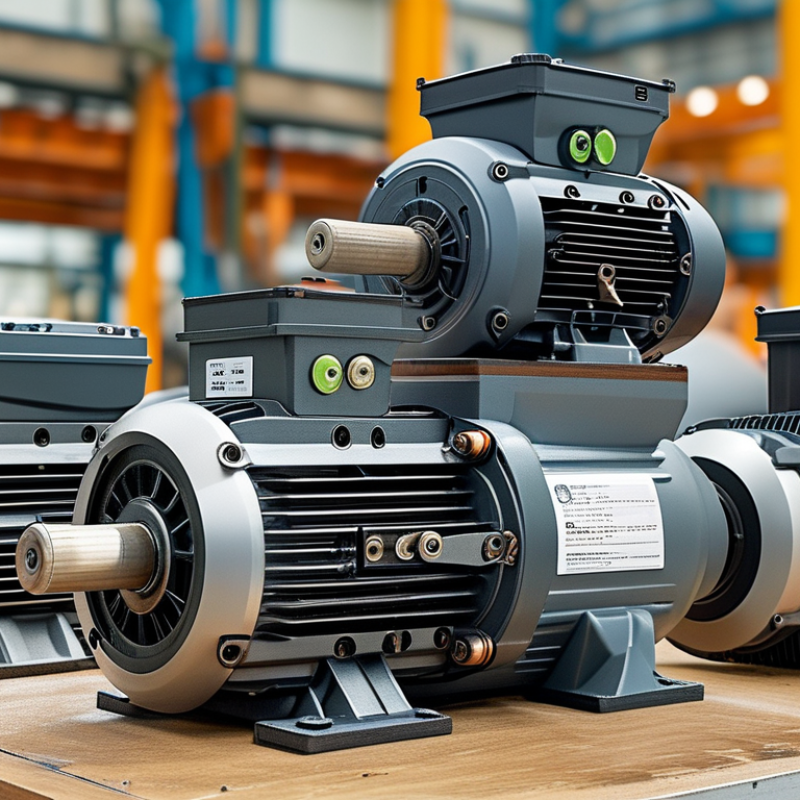
Top 10 Tips for Choosing Industrial Motors for Your Business?

Understanding Your Application Requirements for Industrial Motors

When selecting industrial motors, understanding your application requirements is crucial. Different applications demand specific motor characteristics. For instance, a conveyor system requires a motor with consistent torque and speed control. In contrast, a pump may prioritize energy efficiency. Misjudging these requirements can lead to performance issues and increased costs.

Assessing environmental factors is also essential. Factors like temperature, humidity, and dust can affect a motor's lifespan. If a motor is used in a harsh environment, it needs proper protection. Not all motors are built to withstand challenging conditions. Ignoring these aspects could lead to maintenance challenges and downtime.

Another aspect often overlooked is the load type. Is it constant or variable? Knowing this helps in selecting the correct motor. A motor that cannot handle the load will struggle, causing inefficiency. Evaluating the power supply is equally important. Different motors operate on various voltage and phase requirements. Choosing the wrong type can result in operational failures. Make sure to have clarity in your application needs to avoid costly mistakes.

Top 10 Tips for Choosing Industrial Motors for Your Business

Identifying Different Types of Industrial Motors and Their Uses

When selecting industrial motors, understanding their types and applications is crucial. There are several common types including AC motors, DC motors, and stepper motors. AC motors are widely used for constant-speed applications. They are simple and durable, making them suitable for fans, pumps, and compressors. In contrast, DC motors offer variable speed control, ideal for applications requiring adjustable speed, such as conveyor systems.

Stepper motors are another option. They provide precise control, making them perfect for robotics and CNC machinery. However, they can lack torque at high speeds. It’s essential to consider the specific needs of your operation. Load requirements and efficiency ratings are critical. Many overlook these aspects, leading to performance issues.

A detailed assessment of your operational environment is necessary. Factors such as temperature, humidity, and duty cycles can affect motor performance. Selecting a motor without this analysis could result in frequent failures. Each motor type has its strengths and weaknesses. Reflecting on these details ensures a better choice for your business’s unique needs.

Evaluating Motor Efficiency and Performance Ratings

When evaluating motor efficiency and performance ratings, it’s essential to focus on specific metrics. Efficiency can dramatically affect your operational costs. Look for motors with high-efficiency ratings, which can reduce energy consumption. A small percentage increase in efficiency can lead to substantial savings over time. Don’t overlook the importance of understanding how these ratings apply to your specific operational needs.

Consider the load profile of your application. Motors are not a one-size-fits-all solution. Each motor has a unique torque curve and power factor. Matching the motor’s capabilities to your load requirements enhances performance. A mismatch can lead to overheating or excessive wear. Assess your application to choose a suitable motor that balances performance and longevity.

Additionally, be mindful of the environment where the motor will operate. Different settings may require motors with specialized features, like increased resistance to moisture or dust. Evaluate the performance ratings under real working conditions. Seek data from applications similar to yours for a reliable comparison. This reflection can guide you in making an informed decision.

Considering Environmental Factors and Space Constraints

When selecting industrial motors, environmental factors and space constraints play crucial roles. The motor's placement can affect performance and maintenance needs. Each workspace has unique dimensions. Compact motors are often necessary in smaller facilities. Ensure you measure available space precisely before making a decision.

Environmental impact is another critical consideration. Motors must withstand the specific conditions of your facility. High humidity, dust, or extreme temperatures can influence motor durability. Opt for motors designed for harsh environments to prevent frequent replacements. Understanding these factors helps mitigate operational disruptions.

Don’t overlook energy efficiency. An energy-efficient motor can reduce long-term costs while benefiting the environment. It may require an upfront investment, but potential savings and reduced carbon footprint merit careful consideration. Additionally, you might need to rethink your initial choices if they do not align with operational goals. Be prepared to adjust based on feedback and performance evaluations.

Budgeting for Initial Costs and Long-term Maintenance Expenses

When budgeting for industrial motors, initial costs are just one part of the equation. A recent report by the International Electrical and Electronics Engineers (IEEE) indicates that the initial purchase price accounts for only about 20% of the total lifetime costs. This means long-term maintenance expenses often take a more significant share of the budget.

Maintenance can be unpredictable. It’s essential to consider factors like operating environment and motor design. For instance, motors in harsh environments may require more frequent servicing. The cost of replacement parts can also fluctuate, particularly for specialized components. According to a survey by the U.S. Department of Energy, maintenance can comprise up to 40% of total operational costs.

Allocating budget resources for unexpected downtime is crucial. Every minute a motor is offline can translate into lost productivity and revenue. Investing in predictive maintenance technologies can mitigate these risks, but 30% of companies still rely on outdated maintenance practices. Balancing initial investment against these long-term expenses demands careful planning, ensuring that your choice of motor aligns with both current and future operational needs.

FAQS

: Why is understanding application requirements important for industrial motors?

: Each application has specific needs. Misjudging them can cause performance issues and increased costs.

How do environmental factors affect motor selection?

Conditions like temperature and humidity impact motor lifespan. Motors need protection in harsh environments.

What should I consider regarding load type?

Determine if the load is constant or variable. Choosing the wrong motor can lead to inefficiency.

Why is power supply evaluation vital?

Motors operate on different voltage and phase needs. Choosing incorrectly could result in operational failures.

How can space constraints influence motor selection?

Compact motors may be necessary in smaller spaces. Measure your available space accurately for better fit.

What role does energy efficiency play in motor selection?

Energy-efficient motors reduce long-term costs. They may require higher initial investment but save money over time.

Should I reassess my initial motor choices?

Yes, feedback and performance evaluations should prompt reevaluation. Adjusting choices is part of optimizing operations.

How can I prevent operational disruptions?

Select motors suited for your facility's specific conditions. This helps mitigate frequent replacements and maintenance needs.

What happens if I ignore environmental aspects?

Ignoring these can lead to maintenance challenges and unexpected downtime. Proper planning is crucial for efficiency.

Are there any common oversights in motor selection?

Many overlook specific environmental conditions or load types. These factors greatly influence performance and reliability.

Conclusion

When selecting industrial motors for your business, it's crucial to understand your application requirements to ensure optimal performance. Different types of industrial motors serve various purposes, so identifying the right one for your specific needs is key. Evaluating motor efficiency and performance ratings can help in making an informed choice, ultimately leading to cost savings and enhanced productivity.

Additionally, consider environmental factors and space constraints to ensure that the chosen motor fits well within your operational setup. Budgeting for both initial costs and long-term maintenance expenses is also vital for a sustainable investment. By carefully weighing these aspects, you can make a strategic decision that enhances the efficiency and reliability of your industrial motors.


Charlotte

Charlotte

Charlotte is a seasoned marketing professional with a deep understanding of the company's portfolio and a passion for elevating its presence in the market. With a keen eye for detail and a commitment to excellence, she ensures that our professional blog is regularly updated with insightful articles......