In today's competitive landscape, selecting the right motor can significantly impact a business's efficiency and profitability. According to industry expert Dr. James Andrews, a renowned electrical engineer, "The Three Phase Electric Motor offers unmatched reliability and performance for heavy-duty applications." His insight underscores the importance of understanding how these motors can enhance operational capabilities.
Three Phase Electric Motors are designed to provide smoother operation and energy efficiency. They operate on three separate phases, allowing for a more balanced load and reduced energy losses. This technology is especially beneficial for industrial settings that require continuous operation. Businesses can realize substantial cost savings over time, making the initial investment worthwhile.
However, challenges exist. Choosing the right specifications can be daunting. Businesses must consider factors such as power requirements, environment, and load conditions. A poorly chosen motor could lead to inefficiencies and higher operational costs. Reflecting on these factors can help businesses make more informed decisions, ensuring they harness the full potential of a Three Phase Electric Motor.
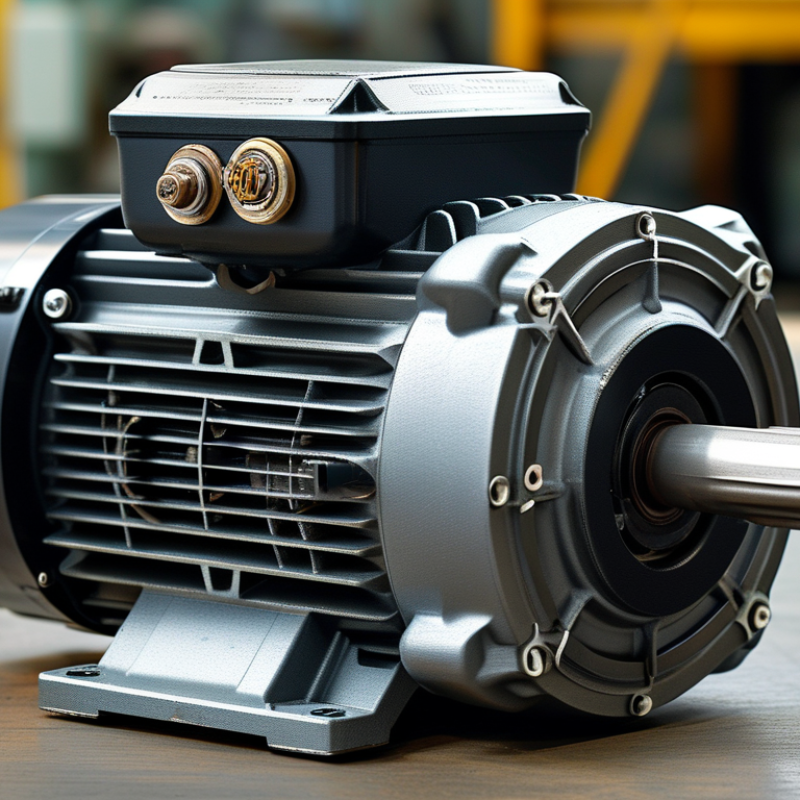
Benefits of Three Phase Electric Motors for Industrial Applications
Three-phase electric motors offer significant advantages for industrial applications. They provide higher efficiency compared to single-phase motors. This increased efficiency leads to lower operational costs, making them a smart choice for businesses. These motors are also capable of handling larger loads, which is essential for heavy machinery and production lines.
Additionally, three-phase motors deliver smoother operation. They reduce vibrations, resulting in less wear on equipment. This durability can lead to longer service life and fewer maintenance issues. Industries like manufacturing and agriculture benefit from these reliable options. With proper maintenance, three-phase motors can operate effectively for years.
Tip: Regularly inspect your motors for any signs of wear. Early detection of minor issues can save significant repair costs down the line.
Moreover, three-phase motors tend to have a smaller physical footprint. This space-saving feature is crucial for businesses with limited room for equipment. However, choosing the right motor requires careful calculations and understanding of power needs, which can be a challenge. Seek advice from electrical experts to ensure optimal choices.
Tip: Calculate your load requirements before making a decision. Overestimating can lead to unnecessary expenses.
Comparison of Single Phase and Three Phase Electric Motors
When selecting electric motors, businesses often compare single-phase and three-phase options. Three-phase electric motors are generally more efficient. According to the U.S. Department of Energy, three-phase motors can operate up to 95% efficiency, while single-phase motors typically max out around 80%. This efficiency translates into significant energy savings over time.
Three-phase motors also deliver a smoother power supply. This is essential for industrial applications requiring consistent torque. A study by the Electric Power Research Institute highlighted that operations using three-phase motors experience up to 40% less vibration. Therefore, equipment longevity increases. These factors are crucial for businesses looking to minimize downtime and improve productivity.
However, three-phase systems are more complex and require more upfront investment. Single-phase motors can be simpler to set up, making them appealing for smaller operations. It's essential to weigh these factors carefully. While three-phase systems provide many advantages, the initial cost and complexity could be drawbacks for businesses with limited budgets or infrastructure. A thoughtful assessment can help in making the best choice for operational needs.
Comparison of Single Phase and Three Phase Electric Motors
This chart compares the advantages of three phase electric motors against single phase electric motors based on various factors such as efficiency, torque, and cost.
Efficiency and Cost Savings of Three Phase Motors
Three-phase electric motors offer significant efficiency and cost-saving benefits for businesses. According to a report by the U.S. Department of Energy, three-phase motors can achieve efficiency levels of up to 96%. This means that less energy is wasted as heat, resulting in lower electricity bills. For instance, using a three-phase motor in industrial applications can save around 30% on energy costs compared to single-phase alternatives.
Another key advantage lies in their operational longevity. Three-phase motors tend to have a longer lifespan due to balanced loads. A study from the Electric Power Research Institute showed that these motors require less maintenance and experience fewer failures, cutting down on repair costs. Businesses could potentially save thousands of dollars annually by making this switch.
However, it’s essential to consider the upfront costs. While three-phase motors can be more expensive initially, the return on investment comes quickly through energy savings. Companies should evaluate their specific needs and usage patterns. In some cases, the transition may seem daunting, but the potential for improved efficiency is significant. Balancing the initial investment with long-term savings is crucial for any business decision.
Common Applications and Industries Utilizing Three Phase Motors
Three phase electric motors are widely used across various industries. Manufacturing, HVAC, and mining heavily rely on these motors for efficiency. They provide a steady power supply, which enhances performance in demanding applications. In manufacturing, conveyor belts and pumps often utilize three phase motors. These machines require consistent torque to maintain productivity.
In the HVAC sector, three phase motors are common in large systems. They effectively drive compressors and fans, ensuring optimal airflow in commercial buildings. Mining operations also use them due to their robustness. They power everything from ore extraction to crushing machines.
However, not every application needs a three phase motor. Costs can be higher than single phase alternatives. Businesses need to evaluate their specific needs. Oversizing or undersizing a motor can lead to inefficiencies. This can impact operational costs and lead to more frequent maintenance issues. Understanding the requirements of each application is crucial in achieving the right balance.
Why Choose a Three Phase Electric Motor for Your Business? - Common Applications and Industries Utilizing Three Phase Motors
| Application |
Industry |
Power Range (kW) |
Efficiency (%) |
Common Features |
| Pumping |
Water Supply |
5 - 250 |
85 - 95 |
Durable, Corrosion Resistant |
| Conveyor Systems |
Manufacturing |
1 - 100 |
80 - 90 |
Controlled Speed, High Torque |
| HVAC Systems |
Construction |
2 - 75 |
90 - 95 |
Variable Speed, Quiet Operation |
| Mixing |
Food Processing |
1 - 150 |
85 - 93 |
Compact Design, High Reliability |
| Textile Machines |
Textile |
5 - 300 |
90 - 97 |
High Speed, Vibration Dampening |
Maintenance and Longevity of Three Phase Electric Motors
When considering a three-phase electric motor, maintenance and longevity should be top priorities. These motors are known for their efficiency and robust design. However, regular upkeep is essential for optimal performance. Without proper maintenance, even the best motors can face early failure.
Implementing a scheduled maintenance routine helps extend the lifespan of your motors. Regularly check for signs of wear and tear. Inspect bearings for any unusual noises or vibrations. Tighten connections to prevent electrical failures. Neglecting these tasks can lead to costly downtime.
Tips: Create a checklist for monthly inspections. Ensure that cooling systems are functioning properly. Keep a log of any abnormalities observed during operation.
Replace worn parts promptly. Doing so can significantly enhance performance and reduce unexpected failures. Keeping detailed records of maintenance activities supports accountability and helps identify recurring issues. This practice fosters a culture of reliability within your business.
Tips: Encourage your team to report any irregularities immediately. Involve them in the maintenance process. Their hands-on experience can offer valuable insights into operational efficiency.
Conclusion
Three Phase Electric Motors offer numerous benefits for industrial applications, making them a preferred choice for many businesses. These motors are known for their superior efficiency compared to single-phase motors, leading to significant cost savings in energy consumption. By delivering consistent power and smoother operation, Three Phase Electric Motors are ideal for a variety of applications, including manufacturing, HVAC systems, and heavy machinery.
In terms of maintenance, these motors generally exhibit longer lifespans and require less frequent servicing, which contributes to lower operational costs over time. The versatility of Three Phase Electric Motors allows them to thrive in diverse industries, from automotive to agriculture, enhancing productivity and reliability in various applications. Overall, investing in Three Phase Electric Motors can lead to improved efficiency and sustainability for industrial operations.

 Sunvim Motor