Choosing the right Synchronous Motor is crucial for optimal performance in various applications. These motors are known for their efficiency and precision in speed control. However, selecting the right one can be challenging. Factors such as load requirements, environment, and power supply must be considered. You need to assess your specific needs and understand motor specifications carefully.
Different types of Synchronous Motors offer unique advantages. For instance, permanent magnet motors provide high torque but may have higher upfront costs. Others, like those with wound fields, allow for greater flexibility in operation. Each option comes with its trade-offs. It's important to reflect on these aspects to make a sound decision.
Ultimately, the right choice involves a balance of technical understanding and practical application. Don't rush the decision. Take the time to evaluate your options thoroughly. Consulting with experts can also enhance your knowledge. The right Synchronous Motor will not only meet your current needs but also adapt to future demands.
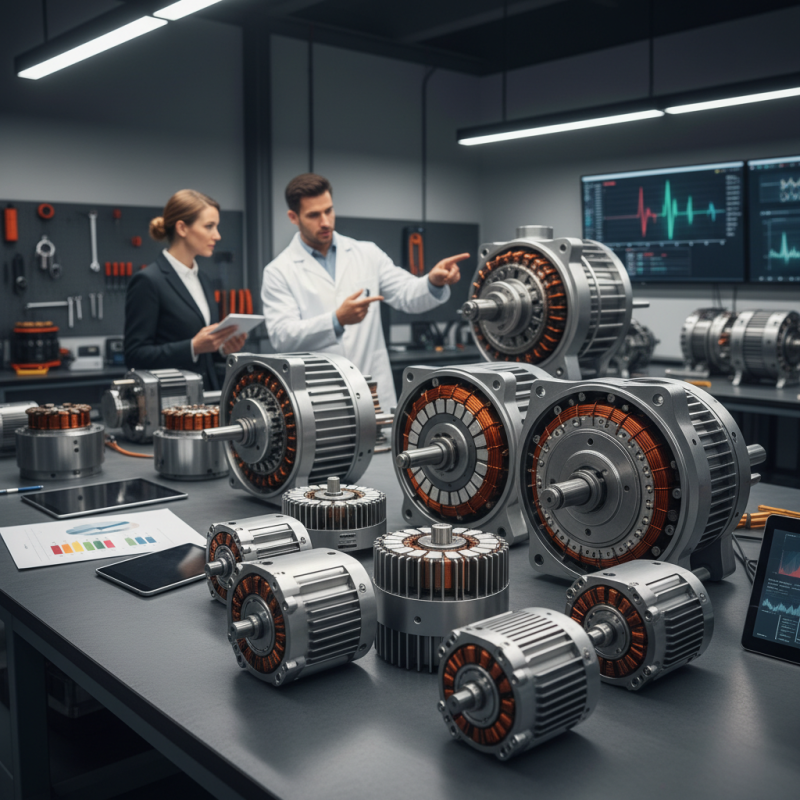
Synchronous motors are a vital component in industrial applications. They operate at a constant speed that is synchronized with the frequency of the power supply. This feature makes them ideal for applications requiring precise control over speed and torque. Various industries utilize these motors. Think about manufacturing, power generation, and even robotics.
When choosing a synchronous motor, it’s essential to consider specific factors. The load characteristics, operational environment, and power requirements must align with the motor’s capabilities. For example, a motor may function well in a controlled environment but struggle in extreme temperatures or humidity. The rotor type also plays a role in performance. A permanent magnet rotor can offer higher efficiencies but may come at a higher cost.
While synchronous motors are reliable, potential challenges exist. Maintenance requirements can be higher, especially for motors with brushless designs. It’s important to evaluate long-term operational costs against initial investments. Making an informed choice involves balancing reliability with your unique needs and circumstances. Consider seeking expert advice if uncertainties arise.
| Motor Type | Power Rating (kW) | Voltage (V) | Frequency (Hz) | Efficiency (%) | Applications |
|---|---|---|---|---|---|
| Permanent Magnet Synchronous Motor | 5 | 400 | 50 | 90 | Pumps, Fans |
| Electrohydraulic Synchronous Motor | 100 | 2300 | 60 | 92 | Cranes, Lifts |
| Torus Synchronous Motor | 50 | 208 | 50 | 95 | Industrial Drives |
| Reluctance Synchronous Motor | 20 | 750 | 50 | 93 | Electric Vehicles, Robotics |
: Synchronous motors include permanent magnet, wound rotor, and hysteresis types. Each has unique benefits and features.
They are highly efficient and compact. This makes them suitable for applications needing precise speed control.
Wound rotor motors allow for torque and speed adjustments. They are often used in heavy industrial settings.
Hysteresis motors operate quietly with smooth performance. They work well for applications with consistent load needs.
An oversized motor can lead to inefficiencies. A small motor may result in poor performance.
Regular inspections, lubrication, and cleaning are vital. Neglect can cause inefficiencies and potential failures.
Extreme temperatures and excessive vibrations can reduce lifespan. Assessing the environment before selection is essential.
Well-trained staff can manage maintenance effectively. This helps extend the motor's life and reduce unexpected issues.
Having a plan for unforeseen failures is wise. It minimizes disruption and avoids costly repairs.
Consider load requirements, environmental conditions, and project goals. Each application is unique, and choices matter.
Choosing the right Synchronous Motor requires a comprehensive understanding of its fundamentals and applications. It's essential to evaluate various key factors such as power requirements and performance specifications, which directly impact the motor’s efficiency and suitability for specific tasks. Understanding the different types of Synchronous Motors available can also help in making an informed decision, as each type serves distinct applications and operational environments.
Additionally, assessing the maintenance and operational needs of a Synchronous Motor is crucial for ensuring its longevity and reliability. By considering these elements, users can select a Synchronous Motor that not only meets their current needs but also supports future performance demands, leading to enhanced productivity and operational efficiency.

 Sunvim Motor