How to Choose the Right Asynchronous Motor for Your Needs?

Time:2026-06-04 Author:Charlotte
0%

Choosing the right asynchronous motor can be a daunting task. With numerous options available, making an informed decision is crucial. According to Dr. Emily Carter, an expert in electrical engineering, "Selecting the proper asynchronous motor is vital for optimal performance in various applications." This statement underscores the importance of understanding your specific needs.

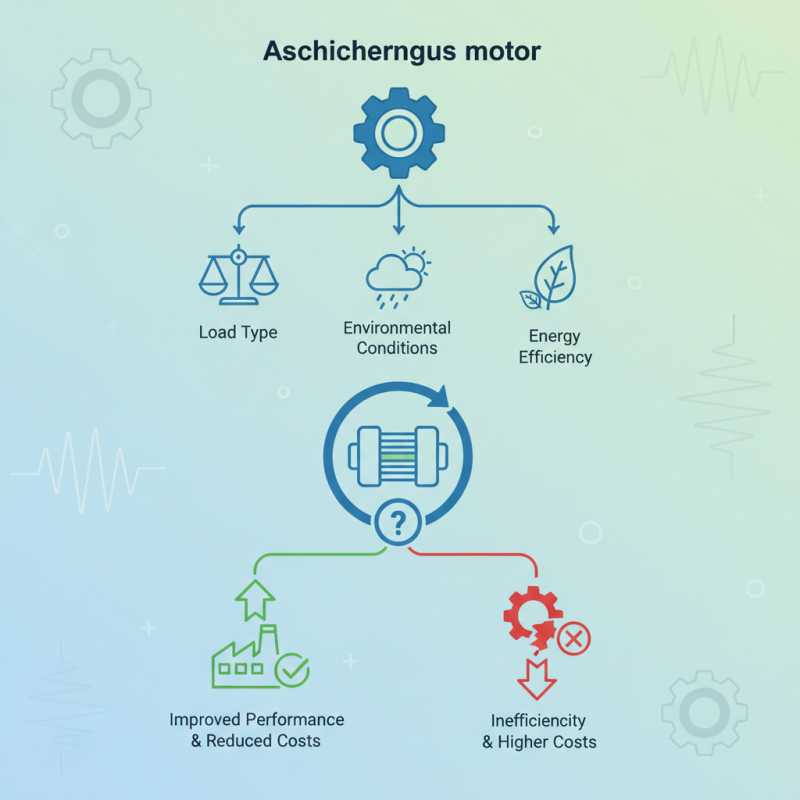
Asynchronous motors are widely used in industries for their reliability and efficiency. These motors can vary in size, power ratings, and operational characteristics, making selection challenging. It is essential to assess the application requirements carefully. Consider factors such as load type, environmental conditions, and energy efficiency. These elements can significantly influence your motor choice.

Understanding the fundamental aspects of asynchronous motors is crucial for effective selection. Research is necessary, but sometimes, it leads to confusion. Tool specifications can be overwhelming. Reflecting on your requirements may provide clarity. The right choice can lead to improved performance and reduced operational costs, whereas a poor selection could cause inefficiency.
How to Choose the Right Asynchronous Motor for Your Needs?

Understanding Asynchronous Motors: Types and Applications

Asynchronous motors are widely used in various applications due to their efficiency and reliability. Understanding their types and applications can help you make an informed decision. There are two main types of asynchronous motors: squirrel cage and wound rotor. Squirrel Cage Motor Squirrel cage motors are simpler and more robust, making them ideal for many industrial settings. Wound rotor motors offer more control over speed and are suitable for applications requiring variable loads.

When choosing a motor, consider the operating environment. Dusty or wet conditions can affect performance. The power requirements should also be carefully evaluated. Underestimating the motor’s capacity can cause it to overheat. Be aware of efficiency ratings and operational costs. Selecting a high-efficiency motor can lead to energy savings over time.

Tips:
Always assess your application demands before selecting a motor. This prevents overspending on unnecessary capabilities. Regular maintenance will also extend the motor's lifespan. Don't overlook the importance of detailed specifications. They guide the selection process effectively. Sometimes, the most popular option may not be the best fit for your specific needs. Be willing to rethink your choices.

Key Factors to Consider When Selecting an Asynchronous Motor

Choosing the right asynchronous motor requires understanding specific factors. Efficiency is key; look for motors with high efficiency ratings. This can save energy costs over time. Additionally, consider the motor's operating environment. Dust, moisture, or extreme temperatures can impact performance. Understanding these factors helps ensure longevity and reliability.

When measuring motor power, take into account the application requirements. Too much power can lead to unnecessary energy usage. On the other hand, too little power can result in insufficient performance. Conducting a detailed load analysis will guide your selection.

Tips: Always verify technical specifications. Misinterpretation can lead to the wrong choice. Consult industry standards to align with best practices. If unsure, seek expert guidance or advice. This can prevent costly mistakes down the line. Reading previous user experiences can also provide valuable insights. Remember, informed choices lead to better results.

How to Choose the Right Asynchronous Motor for Your Needs? - Key Factors to Consider When Selecting an Asynchronous Motor

Factor Description Recommended Specifications
Power Rating The output power required for the application. 0.5 kW to 500 kW
Voltage The operating voltage for the motor. 230V, 400V, or custom
Speed The rated speed at which the motor operates. 1500 RPM, 3000 RPM
Efficiency The efficiency class of the motor. IE2, IE3, IE4
Duty Cycle The type of duty cycle required for the application. Continuous, Intermittent
Environment Conditions in which the motor will operate. Indoor, Outdoor, Hazardous Area
Mounting Type How the motor will be installed. Foot-mounted, Flange-mounted
Cooling Method Cooling method for the motor. Open ventilated, Totally enclosed fan-cooled

Determining Power and Efficiency Requirements for Your Motor

Choosing the right asynchronous motor involves careful consideration of power and efficiency needs. Start by calculating the required power output for your specific application. The power required varies depending on the load and the speed of operation. High efficiency ratings can lead to significant energy savings over time, particularly in applications running continuously.

Consider the operational environment as well. If the motor operates in extreme conditions, such as high temperatures or humidity, ensure the motor is rated for those environments. While it may be tempting to opt for the most efficient motor available, balancing initial costs with long-term savings is vital. Not every application necessitates top-of-the-line efficiency. Sometimes, a motor with slightly lower efficiency may serve better if it meets other critical requirements.

Efficiency also depends on how well the motor is matched to its load. An oversized motor can lead to inefficiencies and increased wear. Conversely, an undersized one may struggle and fail sooner. Documented performance data can assist in making these decisions, but real-world testing often reveals unexpected issues. Always be ready to assess and adapt your motor choice based on evolving needs and performance feedback.

Power and Efficiency Requirements for Asynchronous Motors

Assessing Environmental Conditions and Installation Space

When selecting an asynchronous motor, assessing the environmental conditions is crucial. Factors like temperature, humidity, and dust levels can affect motor performance. For example, a motor operating in a humid environment may require special coatings to prevent corrosion. High dust levels could lead to overheating if not managed properly. It is essential to consider these aspects during the selection process.

Installation space is another vital consideration. Motors need adequate space for ventilation and maintenance. Cramped installations can increase the risk of overheating and premature failure. It's important to measure the installation area accurately. Ensure there is room for future adjustments and repairs. Sometimes, the ideal motor size isn't achievable due to space constraints, requiring a compromise on performance or cooling methods. Assessing both environmental conditions and installation space will lead to better, more reliable choices.

Evaluating Costs and Maintenance Needs for Long-Term Use

When considering the long-term use of asynchronous motors, evaluating costs and maintenance needs is crucial. The initial investment in a motor is only part of the story. Ongoing operational costs can significantly affect your budget. According to a report by the U.S. Department of Energy, the energy costs for industrial motors can account for up to 95% of the total lifecycle cost. This underscores the importance of choosing a motor with high efficiency.

Maintenance is another critical aspect that impacts long-term usability. Asynchronous motors generally require less maintenance compared to other types, making them a popular choice for many applications. Data from the Motor & Drive Systems market indicates that regular maintenance can extend the lifespan of these motors by 30% to 40%. However, neglecting routine inspections can lead to unexpected failures, which may incur additional costs.

It’s essential to consider not just the efficiency ratings but also the specific conditions under which the motor will operate. High ambient temperatures or dust-laden environments can affect performance and longevity. Reflections on these factors can help better align motor selection with operational demands, ultimately leading to a more reliable and cost-effective solution. Balancing initial costs with long-term maintenance and efficiency is key to making an informed choice.

FAQS

: What are the two main types of asynchronous motors?

: The two main types are squirrel cage and wound rotor motors. Squirrel cage motors are simpler and robust.

Why should I consider the operating environment when choosing a motor?

Conditions like dust and humidity can affect motor performance. Special coatings may be needed for humid environments.

How can I prevent a motor from overheating?

Ensure you do not underestimate the motor’s capacity. Proper assessment of power requirements is essential.

What impact do efficiency ratings have on motor costs?

Higher efficiency motors can lead to energy savings over time. They reduce overall operational costs significantly.

How can regular maintenance affect an asynchronous motor?

Regular maintenance can extend the motor's lifespan by 30% to 40%. Neglect can lead to costly unexpected failures.

Why is installation space important when using a motor?

Motors need adequate space for ventilation and maintenance. Cramped spaces can increase overheating risks.

How should I assess installation conditions?

Measure the installation area accurately and allow space for future adjustments. This will ensure proper cooling and performance.

What should I consider about the motor’s specifications?

Detailed specifications guide the motor selection process effectively. Ignoring this can lead to unsuitable choices.

Can choosing a popular motor model be a mistake?

Sometimes, the most popular option may not fit your specific needs. Be open to reevaluating your choices.

What is a key aspect of long-term motor use?

Balancing initial costs with maintenance and efficiency is crucial. This leads to more informed and effective decisions.

Conclusion

Choosing the right asynchronous motor is crucial for ensuring optimal performance and longevity in various applications. Asynchronous motors come in different types, each suited for specific uses, making it essential to understand their characteristics and applications. When selecting an asynchronous motor, key factors such as power requirements, efficiency, and the specific environmental conditions where the motor will be installed must be considered. Additionally, assessing installation space and potential maintenance needs can greatly influence the choice.

Furthermore, evaluating costs associated with the motor's initial purchase as well as its long-term maintenance is vital for budgeting and operational efficiency. Understanding these aspects will help in making an informed decision that aligns with both performance expectations and financial constraints, ensuring the selected asynchronous motor meets the demands of the intended application effectively.


Charlotte

Charlotte

Charlotte is a seasoned marketing professional with a deep understanding of the company's portfolio and a passion for elevating its presence in the market. With a keen eye for detail and a commitment to excellence, she ensures that our professional blog is regularly updated with insightful articles......