Choosing the right AC synchronous motor is critical for optimal performance in various applications. These motors are known for their efficiency and reliability. Understanding your specific needs is essential in making an informed decision.
AC synchronous motors operate at a constant speed and are highly effective in industrial settings. They are often used in applications requiring precise speed control. Factors such as load requirements, power ratings, and environmental conditions must be considered.
However, selecting the ideal motor is not always straightforward. Each application may demand different features and specifications. It's crucial to evaluate the options thoroughly. Relying on expert insights can help guide your choice. Ultimately, an informed decision can enhance productivity and minimize operational issues.
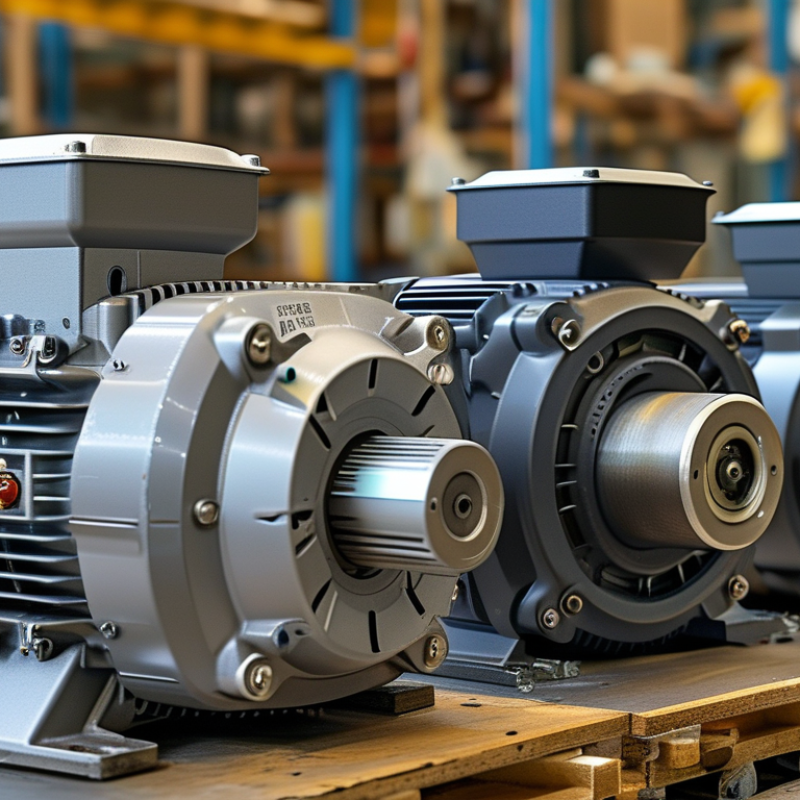
Understanding AC synchronous motors is crucial for making informed decisions in industrial applications. These motors operate at a constant speed, synchronized with the power supply frequency, which is typically 60 Hz or 50 Hz, depending on the region. A report from the International Electrotechnical Commission indicates that synchronous motors can achieve efficiencies greater than 95%, making them a reliable choice for energy-intensive environments.
When selecting an AC synchronous motor, consider factors like torque requirements and load characteristics. For example, if high starting torque is essential, a motor designed with an appropriate rotor configuration is necessary. Additionally, pay attention to cooling methods; inadequate cooling can affect motor performance and longevity.
**Tip:** Always check your environment's electrical supply and load conditions before purchasing. Adjusting for voltage fluctuation can ensure optimal performance.
Maintenance is often overlooked, yet it plays a vital role in motor longevity. Regular inspections can identify wear and potential electrical issues early on. Align your operational schedule with maintenance cycles to minimize downtime.
**Tip:** Keep a maintenance log for tracking performance trends and scheduling service tasks efficiently.
| Parameter | Description | Recommended Range |
|---|---|---|
| Power Rating | The output power of the motor, typically in horsepower (HP) or kilowatts (kW). | 0.5 HP - 500 HP |
| Voltage | Operating voltage, often 230V, 400V, or 690V depending on application | 230V - 690V |
| Frequency | Frequency of the AC power supply, usually 50Hz or 60Hz. | 50Hz or 60Hz |
| Efficiency | Ratio of useful output power to input power, measured in percentage. | 85% - 95% |
| Torque | The rotational force produced by the motor, usually in Nm or lb-ft. | 0.5 Nm - 1500 Nm |
| Cooling Type | The method used to dissipate heat from the motor. | Air-Cooled, Water-Cooled |
| Frame Size | The physical dimensions of the motor, which impact installation. | NEMA 56 - NEMA 450 |
Choosing the right AC synchronous motor is critical for your application. Several key factors should guide your decision. First, consider the motor's power rating. This determines how much load it can handle. Ensure it matches your requirements. Too much power is wasteful, and too little can lead to failure.
The operating environment is another crucial factor. If your motor will be in a dusty or humid area, you need a model designed for those conditions. Moisture and dust can cause wear over time, compromising performance. Additionally, think about efficiency. Higher efficiency motors might cost more upfront but save money in energy bills in the long run.
Evaluate speed and torque requirements next. Different applications need specific speeds for optimal performance. Torque characteristics also play a vital role. If you need precise control, look for motors that offer variable speed options. It's essential to ensure that the selected motor's specifications align with your operational demands. Reflect on these factors carefully; mistakes can lead to inefficiencies and increased costs. Choose wisely to avoid future headaches.
Choosing the right AC synchronous motor is crucial. Power and size requirements are fundamental aspects. Assessing your needs can impact efficiency and performance. Most industries rely on motors that meet specific load demands. For instance, a report from the International Energy Agency indicates that improper sizing can lead to energy losses of 10-30%.
Start by determining the torque needs of your application. Common calculations involve looking at load types and motion requirements. A motor that's too small could overheat or fail early. Conversely, an oversized motor may lead to inefficiency and higher operating costs. Consider using simulation tools to model performance under various load conditions.
Also, think about physical dimensions. A compact space may not allow for larger motors, even if they are more efficient. Manufacturers suggest leaving room for maintenance and potential expansion. Check the weight specifications, too; a heavy motor can affect installation ease. Balancing these factors can be challenging. Always question whether the current specifications truly meet your operational goals. As noted in industry studies, always revisit assumptions about power and size needs regularly.
When evaluating AC synchronous motors, efficiency and performance ratings are crucial. A motor's efficiency indicates how well it converts electrical energy into mechanical energy. According to the Department of Energy, premium efficiency motors can save up to 8% in energy consumption compared to standard models. This efficiency translates into lower operating costs over time, making it a vital factor to consider.
Performance ratings encompass several parameters, including torque, speed, and thermal ratings. A study from the Electric Power Research Institute points out that motors operating at optimal speed and load produce less heat. This reduces wear and prolongs the motor's lifespan. It's essential to assess how these ratings align with your specific application requirements. For instance, applications demanding high torque may require motors designed explicitly for that purpose.
In practice, not all motors meet the theoretical performance levels. Variability in manufacturing or installation can lead to underperformance. Maintaining a balance between cost and quality is necessary. While some might focus solely on initial investment, acknowledging long-term efficiency impacts is crucial for informed decision-making. Understanding these dynamics will support the selection of a motor that aligns with both budget and operational goals.
This chart compares the efficiency ratings of various AC synchronous motors across different performance ratings. The data illustrates how efficiency varies based on the output power of the motors, which is crucial for choosing the right motor for specific applications.
When selecting an AC synchronous motor, it's crucial to understand your application-specific requirements. Different applications demand various features. For instance, precision in speed control is vital for robotics and CNC machines, whereas high torque is essential for conveyor systems. Assessing load characteristics and operational environment can guide your choice effectively.
Consider the operating conditions where the motor will be used. Harsh environments may necessitate motors with enhanced protection ratings. Noise levels might be a concern in some industries, requiring quieter motor designs. Take time to evaluate factors like energy efficiency and thermal performance too. A reliable motor helps reduce downtime and maintenance.
Reflecting on these elements can lead to a better decision. Each application has unique challenges. Not all choices will fit perfectly. Gathering feedback from engineers or technical experts can clarify misunderstandings. Continuous exploration of motor specifications is necessary. Sometimes, ideal solutions emerge from trial and error. Adjustments might be needed after initial installation to achieve optimal performance.
C synchronous motor important?
Assess load types and motion requirements. Calculate torque carefully to avoid motor issues.
It may overheat or fail early, leading to increased costs and downtime.
Yes, it can cause inefficiency and higher operating costs, wasting energy and resources.
Ensure it fits your space. Leave room for maintenance and any future expansion.
A heavy motor can complicate positioning and stability during the installation.
Harsh conditions may require motors with better protection ratings and thermal performance.
Yes, in some applications, quieter designs are crucial for maintaining a conducive working environment.
Gather feedback from experts and be open to adjusting post-installation for optimal performance.
Absolutely, sometimes ideal solutions come from testing and refining the initial choice.
Choosing the right AC Synchronous Motor is crucial for optimizing performance in various applications. Understanding the basics of these motors, including their operational principles, is the first step in making an informed decision. Key factors such as power requirements, size constraints, and efficiency ratings must be carefully evaluated. Assessing your specific needs in terms of performance and application will ensure that you select a motor that not only meets operational demands but also operates efficiently.
When selecting an AC Synchronous Motor, it is important to consider how the motor will be used, as different applications may have unique specifications that influence the choice. By thoroughly evaluating power and size requirements alongside application-specific needs, you can make a more effective selection that enhances productivity and reliability in your operations.

Sunvim Motor