Choosing the right High Voltage Motor is crucial for many industrial applications. The performance and reliability of your machinery largely depend on this decision. A well-selected motor can enhance efficiency and reduce maintenance costs. However, the process can be challenging.
Consider various factors when making your choice. Efficiency ratings, power output, and environmental conditions all play a significant role. Each application has unique demands. You may find that a standard motor doesn’t meet your specific needs. Pay attention to details such as voltage requirements and load characteristics.
It's essential to consult with experts before making a final decision. Manufacturers can provide insights and recommendations tailored to your situation. Review their credentials and experience. A reliable partner can guide you through options that align with your operational goals. Remember, investing time in research today can lead to better performance tomorrow.
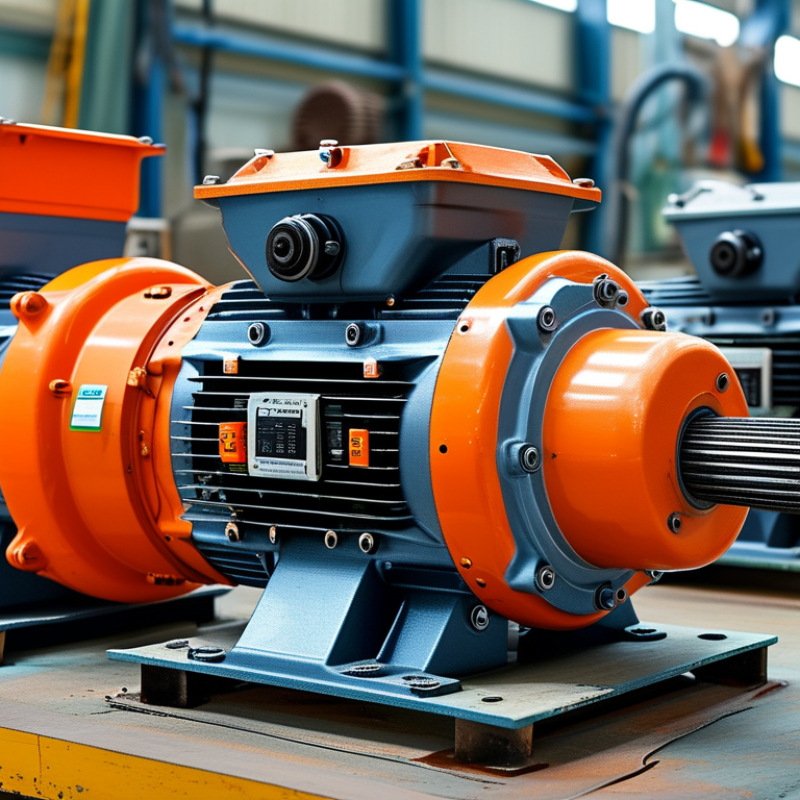
Understanding the Basics of High Voltage Motors
High voltage motors are crucial components in various industrial applications. They operate at voltages over 1,000 volts, making them powerful tools. These motors are designed for efficiency and durability, often exceeding operational lifetimes of 20 years. Reports from the International Electrotechnical Commission suggest that proper selection and maintenance of high voltage motors can reduce energy consumption by up to 10%.
Understanding the basics involves recognizing the importance of motor types and their specifications. Synchronous and induction motors are the most common types. Each type has unique applications depending on load requirements. For instance, synchronous motors perform well in constant-speed applications, while induction motors are typically more robust and simpler to maintain. To avoid inefficiencies, it's essential to match the motor type with specific operational demands.
Considerations also include the installation environment. High voltage motors can face extreme conditions such as humidity or dust. Specialized enclosures may be required for environments with these challenges. Monitoring systems help identify early signs of wear, ensuring optimal performance. Data indicates many motors operate at only 80% efficiency or less, highlighting the need for careful evaluation before purchase.
Key Factors to Consider in Motor Selection
Choosing the right high voltage motor involves several critical factors. Start with understanding the application requirements. Motors are used in various industries including mining, manufacturing, and chemicals. Each application has unique demands. For instance, a study by the IEEE indicates that up to 35% of energy costs in industrial settings come from motor operations. Selecting a motor that matches the load requirements can significantly lower operational expenses.
Next, consider the motor's efficiency ratings. Higher efficiency motors can reduce energy consumption by 2-8%, according to the U.S. Department of Energy. Look for details such as NEMA Premium efficiency ratings which assure performance and reliability. Pay attention to the installation environment as well. Factors like temperature, humidity, and altitude can impact motor performance. Analyze the potential need for additional features like explosion-proof enclosures for specific hazards.
It's also vital to reflect on maintenance requirements. Some high voltage motors may need more frequent servicing due to their design. Understanding these aspects can lead to better long-term decisions. Be sure to consult industry standards and guidelines. In some cases, a cheaper option may not allow adequate support or parts availability. Trustworthy data can guide better motor selection for efficiency and reliability.
Evaluating Power Requirements for Your Application
When selecting a high voltage motor, understanding power requirements is crucial. The first step is to assess the specific needs of your application. Each operation has unique demands, including torque and speed. According to the Industrial Motor's Efficiency Report, motors should typically operate at 75-85% efficiency for optimal performance.
Consider the power rating of the motor. A standard range for many applications is between 100 kW and 3,000 kW. If your application needs frequent starting and stopping, a higher starting torque could be necessary. For instance, conveyors often require motors that can deliver high starting torque to overcome inertia. Reliable data suggests that motors designed for these applications should have at least 200% of the rated torque at startup.
Furthermore, factor in the operating environment. High temperatures or humidity can affect motor efficiency. The American National Standards Institute (ANSI) recommends adjusting the motor size by 10-15% to accommodate environmental conditions. Regular monitoring is essential as well, since ill-fitting motors can lead to decreased performance and increased energy consumption. Identifying these aspects helps ensure that your chosen motor aligns with operational demands while maximizing efficiency.
Assessing Environmental and Operational Conditions
When choosing a high voltage motor, assessing environmental and operational conditions is crucial. These factors directly influence the motor's performance and longevity. For instance, consider the ambient temperature. Extreme heat or cold can affect the motor's efficiency. Understanding the temperature range helps in selecting an appropriate cooling system. Humidity levels also play a significant role, especially in industrial settings.
Vibration is another important aspect. Motors exposed to high levels of vibration may need additional support. This is vital for maintaining alignment and reducing wear. Dust and corrosive elements in the environment can also affect motor durability. Select materials that resist these elements to enhance motor life.
Finally, operational requirements need close attention. Factors like load characteristics and duty cycles are key. An inappropriate motor can lead to underperformance or failure. It's essential to analyze how the motor will be used. Consider potential overload conditions and ensure the chosen motor can handle them. Each detail you assess can greatly impact your decision. Neglecting these environmental conditions may lead to costly mistakes.
Comparing Different High Voltage Motor Types and Features
Choosing the right high voltage motor involves understanding different types and their features. High voltage motors are crucial for industrial applications. They come in various designs, such as induction, synchronous, and torque motors. Each type has unique pros and cons that cater to specific needs.
Induction motors are popular due to their durability and low maintenance. They work well in constant load applications. However, they might not be the ideal choice for variable speed operations. On the other hand, synchronous motors are efficient and provide precise speed control. They are suitable for applications requiring consistent performance. Yet, their higher initial cost can be a barrier.
Another important consideration is insulation type. Motors are often rated for different climates and operating conditions. High voltage motors must also meet safety standards. The choice of insulation impacts performance and longevity. It's essential to reflect on the specific requirements of the application before making a decision. Understanding these details helps ensure the right fit for your operational needs.
How to Choose the Right High Voltage Motor for Your Needs?
| Motor Type |
Voltage Range (V) |
Power Rating (kW) |
Efficiency (%) |
Application |
| Synchronous Motor |
3,300 - 11,000 |
50 - 1,000 |
92 - 96 |
Industrial Drives |
| Induction Motor |
3,300 - 6,600 |
30 - 2,500 |
85 - 95 |
Fans, Pumps, Compressors |
| Permanent Magnet Motor |
400 - 1,200 |
5 - 500 |
90 - 98 |
Electric Vehicles, Robotics |
| Dual-Supply Motor |
3,300 - 6,600 |
50 - 1,000 |
90 - 94 |
Heavy Machinery |
FAQS
: It's vital to assess the specific needs of your application, including torque and speed requirements.
Motors should typically operate at 75-85% efficiency for optimal performance.
Power ratings typically range from 100 kW to 3,000 kW for many applications.
Applications like conveyors require high starting torque to overcome inertia during frequent starts and stops.
Motors should ideally have at least 200% of the rated torque at startup for better performance.
High temperatures and humidity can reduce efficiency, requiring motor adjustments of 10-15%.
High vibration levels can require additional support for motors to maintain alignment and reduce wear.
Choose materials that resist dust and corrosive elements to enhance motor durability.
Analyzing load characteristics is crucial; an inappropriate motor can lead to underperformance or failure.
Neglecting environmental conditions can lead to costly operational mistakes and decreased motor life.
Conclusion
When selecting the right High Voltage Motor for your needs, it is essential to first understand the basics of these motors, including their operation and typical applications. Key factors to consider during selection include the motor's power requirements, which are crucial for ensuring it can handle the intended workload effectively.
Additionally, assessing the specific environmental and operational conditions—such as temperature, humidity, and exposure to chemicals—can significantly impact the performance and longevity of the motor. Finally, comparing different types of high voltage motors and their features will enable you to choose the most suitable option for your application, optimizing efficiency and reliability in your operations.

 Sunvim Motor