In today's rapidly evolving industrial landscape, the demand for efficient and reliable power solutions is critical. Businesses must choose technologies that enhance productivity while preserving energy resources. The **Permanent Magnet Motor** stands out as a viable option for various applications. With its compact design and high torque, it meets the rigorous demands of modern operations.
Many industries are transitioning to **Permanent Magnet Motors** due to their impressive performance characteristics. These motors offer superior efficiency compared to traditional alternatives. Moreover, they produce less heat and require minimal maintenance, contributing to lower operational costs. However, integrating these motors is not without challenges.
Understanding how to optimize and maintain **Permanent Magnet Motors** can be complex. Businesses must develop strategies to address these challenges effectively. By leveraging expert knowledge and industry experience, organizations can maximize the benefits of **Permanent Magnet Motors**. Investing in this technology can yield significant advantages, but reflection on the overall infrastructure is necessary for success.
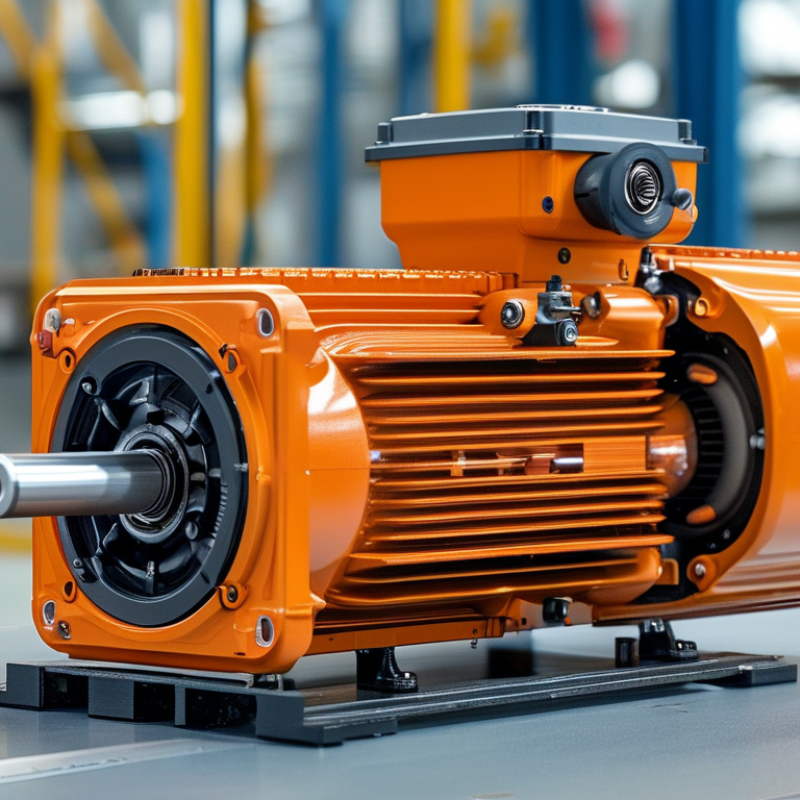
Permanent magnet motors (PMMs) offer significant advantages over traditional motors. One key benefit is their energy efficiency. PMMs can run at higher efficiency levels. This means less energy wasted and lower operational costs. Businesses can save money over time, especially when using large motors.
These motors are also compact and lightweight. This can free up space in crowded facilities. Their design minimizes the need for additional components, which simplifies installation. It leads to faster project timelines. However, the initial investment may be higher. Consider long-term savings versus upfront costs.
When selecting a motor, think about the specific application. Not all motors fit every need. Test different models. Evaluate performance in real-world conditions. This is crucial for ensuring optimal operation. Consider consulting with experts. Their insights can guide your decision-making process and lead to better results.
Permanent magnet motors have gained traction across various industries due to their efficiency and reliability. In manufacturing, these motors are preferred for their ability to deliver consistent torque at low speeds. According to a report by MarketsandMarkets, the global permanent magnet motor market is expected to reach $34.25 billion by 2025, highlighting widespread adoption.
In the automotive sector, permanent magnet motors play a crucial role in electric vehicles (EVs). They are lighter and more compact than traditional motors, contributing to vehicle efficiency. The International Energy Agency indicates that EVs equipped with these motors can achieve up to 8% more efficiency than conventional models. This efficiency translates into longer battery life, which is essential as the demand for sustainable transportation grows.
In the HVAC industry, permanent magnet motors enhance energy efficiency in heating and cooling systems. They often use less power, reducing operational costs for businesses. However, the initial cost of these motors can be high, leading to debates on return on investment. Some companies may struggle to justify the upfront expense despite potential long-term savings. Overall, while permanent magnet motors offer significant benefits, businesses must weigh immediate costs against future savings carefully.
When considering cost efficiency and energy savings, permanent magnet motors (PMMs) stand out. According to the International Energy Agency, PMMs can improve energy efficiency by up to 30% compared to traditional motors. This improvement translates to significant cost savings over time. Businesses can expect a reduction in electricity bills and operational costs, resulting in a higher return on investment over the motor's lifespan.
Moreover, PMMs have a longer operational life and lower maintenance requirements. The U.S. Department of Energy reports that PMMs typically last about 20% longer than their induction counterparts. This reliability reduces unexpected expenses, allowing for better budgeting and resource allocation.
Tips: To maximize savings, consider the specific needs of your operation. Ensure the motor size is appropriate for your applications. An oversized motor can lead to inefficiencies and unnecessary costs. Regularly assess your energy usage patterns; this ensures you are taking full advantage of PMMs’ efficiency. In some scenarios, switching to PMMs may require upfront investment, but the trade-off is often worthwhile in the long run.
The evolution of permanent magnet motors showcases significant advancements in technology and design. Research indicates that these motors can achieve efficiency rates exceeding 95%. This level of efficiency is crucial for businesses seeking to reduce energy consumption and operational costs.
New innovations include the development of high-density magnets. These magnets enhance the systems' torque and output power. For instance, using rare-earth materials in manufacturing can deliver a remarkable performance increase. Some studies show that such advancements can reduce the overall weight of the motor by nearly 20%. This reduction leads to lightweight machinery and greater application flexibility.
Despite these benefits, challenges remain. The reliance on rare-earth minerals is a concern due to environmental impact. Additionally, design complexity can lead to higher initial costs. Businesses must weigh these factors when considering a switch to permanent magnet motors. The continuous upgrades in technology remind operators of the need for ongoing evaluation and adaptation.
| Features | Benefits | Applications | Efficiency Rating |
|---|---|---|---|
| High Torque Density | Improved performance and compact design | Electric Vehicles, Robotics | 90% - 95% |
| Low Maintenance | Reduced operational costs and downtime | HVAC Systems, Industrial Pumps | 85% - 93% |
| Compact Size | Easier integration into existing systems | Machine Tools, Conveyors | 88% - 92% |
| Thermal Stability | Enhanced reliability in extreme conditions | Wind Turbines, Electric Bicycles | 90%+ |
| Regenerative Braking | Energy savings and prolonged battery life | Electric Vehicles, Cranes | 85% - 90% |
When selecting permanent magnet motors for business applications, efficiency is a key consideration. These motors can achieve efficiencies exceeding 90%, which can translate to significant energy savings. In fact, a report from the International Energy Agency estimates that using high-efficiency motors can reduce energy consumption by up to 20% in industrial settings. This efficiency leads to lower operational costs over time, making it a vital aspect for managers.
Another important factor is torque density. Permanent magnet motors generally provide higher torque in a smaller size. This compactness allows for more flexible design options and easier integration into existing systems. However, businesses must consider temperature limitations. While permanent magnet motors are robust, overheating can lead to performance issues or damage. A study by the Electric Power Research Institute found that maintaining optimal operating conditions is crucial for maximizing lifespan and efficiency.
Cost is also a pivotal element. Initial investments in permanent magnet motors can be higher than other types. However, the long-term savings in energy and maintenance costs often justify this expenditure. Companies need to analyze their specific needs and environmental conditions. By weighing these factors, they can make informed decisions that align with their operational goals.
: PMMs offer energy efficiency and lower operational costs. They waste less energy, saving money over time.
PMMs are compact and lightweight. This design saves space and simplifies installation, but size must match application needs.
Testing ensures optimal operation in real-world conditions. Not all motors suit every application, so evaluation is crucial.
Efficiency, torque density, and temperature limitations are vital. Analyze these factors to make informed decisions.
PMMs may have higher upfront costs. However, energy savings can justify this expense over the motor's lifespan.
Regularly assess energy patterns and ensure proper motor sizing. Oversized motors can lead to inefficiencies.
PMMs generally last about 20% longer, offering reliability and reducing unexpected costs for businesses.
Yes, overheating can lead to performance issues or damage. Maintaining optimal conditions is essential for longevity.
Experts can guide decision-making and help businesses choose the best models tailored to their specific needs.
Avoid oversizing the motor or neglecting maintenance. Regular assessments and appropriate sizing enhance efficiency and performance.
Permanent Magnet Motors have emerged as a superior choice for various business needs due to their distinct advantages over traditional motors. These motors offer enhanced efficiency, leading to significant energy savings, which translates into reduced operational costs. Their applications span multiple industries, ranging from manufacturing to renewable energy, showcasing their versatility and adaptability.
Furthermore, recent technological advancements in Permanent Magnet Motor design have improved their performance and reliability, making them even more appealing for businesses aiming to optimize operations. However, consideration must be given to factors such as the specific requirements of the application, costs, and integration capabilities when selecting the right Permanent Magnet Motor for a business. This thoughtful approach ensures that organizations can fully leverage the benefits of these efficient motors in their operations.

Sunvim Motor