Choosing the right High Torque Electric Motor can significantly impact your project's success. Whether for industrial applications or DIY projects, the right motor offers reliability and efficiency. High torque motors are designed for demanding tasks, delivering robust performance when needed most.
In various scenarios, users often underestimate their requirements. Selecting a motor with insufficient torque can lead to equipment failure. On the other hand, choosing one that exceeds your needs can result in unnecessary costs. It is essential to balance these aspects carefully. Understanding your specific requirements and limitations is key in making a wise choice.
This guide explores the best options available in the market today. We base our recommendations on expert insights and user experiences. You will find reliable information, helping you navigate through choices. A well-informed decision will ultimately lead to greater project success and satisfaction.
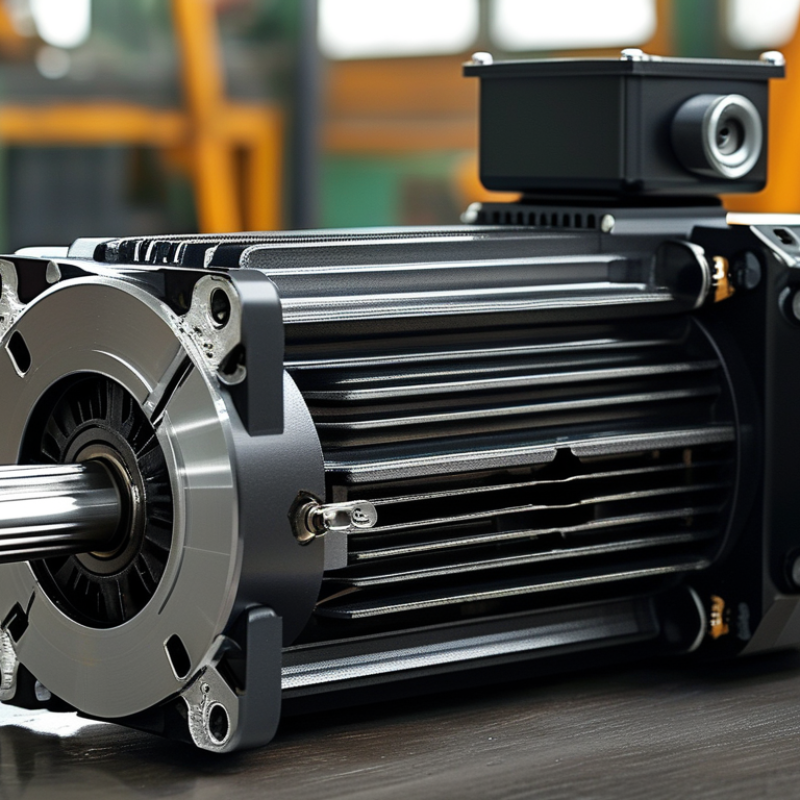
Types of High Torque Electric Motors Available in the Market
When exploring high torque electric motors, it’s essential to understand the types available. These motors come in various configurations, each serving different applications. DC motors are prevalent due to their simplicity and ease of control. They excel in applications needing precise speed adjustments. However, their efficiency can drop at higher loads.
AC induction motors are another popular choice. They are rugged and reliable, often used in industrial settings. These motors provide excellent torque at startup but may lack the efficiency of their DC counterparts in certain scenarios.
On the other hand, stepper motors offer precise control over rotational position. They are ideal for applications that require exact movements, like robotics.
High torque brushless motors shine in various systems requiring both power and reliability. Their design allows for smoother operation with less maintenance. Nevertheless, they can have a steeper learning curve due to their complex control requirements. Exploring these options will help you find the best fit for your specific needs. It’s crucial to weigh the pros and cons of each type based on your project's demands.
Key Specifications to Consider When Choosing a High Torque Electric Motor
When selecting a high torque electric motor, understanding key specifications is critical. Start with torque ratings. This figure reflects the motor's ability to perform under load. Higher torque means better performance, especially in applications demanding consistent power. Consider the torque curve, too. It shows how torque changes with speed.
Next, think about voltage and current requirements. A motor's voltage rating influences its efficiency and suitability for your project. Higher voltages can reduce current draw, leading to less heat generation. Conversely, be cautious with current ratings. A motor that draws too much current can cause electrical issues.
Keep an eye on operational temperature. Electric motors generate heat. Continuous operation at high temperatures can lead to premature failure. Regularly review the motor’s thermal performance to gauge its longevity. Matching the motor to your application needs careful thought. Consider all these details to make an informed choice. The right motor can significantly enhance your project’s efficiency.
Applications of High Torque Electric Motors Across Various Industries
High torque electric motors are essential in various industries. They excel in applications where heavy loads need to be moved or controlled. According to a recent report by the International Energy Agency, the demand for high torque motors has increased by 25% over the past five years. Manufacturing, agriculture, and automotive sectors are primary contributors to this growth. Companies often rely on these motors for conveyor systems, robotics, and lifting equipment.
In the manufacturing sector, high torque motors are often used in CNC machines and industrial presses. These motors deliver precise control and energy efficiency. A study from the Electric Power Research Institute indicates that high torque motors can improve energy savings by up to 30% in specific applications. In agriculture, they are used in irrigation systems and tillage equipment, enabling farmers to increase productivity. The automotive industry uses them in electric vehicles, enhancing performance and range.
High torque motors face challenges, especially concerning maintenance and installation costs. Some organizations report higher expenses than initially anticipated. However, their efficiency and performance usually offset these drawbacks. In sectors like mining or construction, the need for robust equipment cannot be understated. Proper engineering support and knowledge are vital for optimizing their use. While the path to implementing these solutions can be complex, the right approach leads to significant benefits.
Top Brands and Models for High Torque Electric Motors Reviewed
When selecting a high torque electric motor, understanding the options available is crucial. Key models from leading brands focus on efficiency and performance. These motors typically have power ratings that range from a few hundred watts to several kilowatts. Users often favor them for their reliability in various applications, including robotics and industrial machinery.
One should consider the mounting options and dimensions before making a choice. Assessing the physical space where the motor will be installed is essential. A snug fit can significantly affect overall performance. Don't overlook the torque curve. It can vary widely between models, impacting how the motor responds under load.
Tips: Always check product specifications in detail. Sometimes, manufacturers emphasize one feature over others. Look for user reviews, as these are often insightful. Pay attention to the durability of materials used in the motor. Motors in harsh environments need specialized coatings or seals. Reflect on your unique requirements; not every motor will meet all needs perfectly. This awareness can help avoid mismatched applications.
Maintenance Tips for Prolonging the Lifespan of High Torque Motors
High torque electric motors are crucial in many industries. Regular maintenance can vastly improve their longevity. Research indicates that well-maintained motors can last 10-15% longer compared to neglected units. Simple measures can enhance performance and reliability.
Lubrication is key. Use the right type of lubricant and apply it according to the manufacturer’s specifications. Neglecting this step may lead to excessive wear and tear. In a study, over 25% of motor failures are linked to inadequate lubrication. Regular cleaning also helps. Dust and debris can cause overheating. Maintain a clean environment for your motor.
Monitoring operating conditions is essential. High temperatures can shorten motor life. The optimal temperature range should be specified, often around 70-80°C. Unexpected temperature spikes may indicate issues. Vibration analysis is another effective method. It can detect misalignments or imbalance early, preventing larger failures. In some cases, early detection can reduce repair costs by up to 40%.
Best High Torque Electric Motor Options
This chart displays the torque output of different high torque electric motors, which can help you make an informed decision based on your specific needs.
FAQS
: Start with torque ratings. This indicates the motor's performance under load.
It shows how torque changes with speed. This affects how the motor performs in different conditions.
Voltage impacts efficiency. Higher voltage can reduce heat. Be cautious with current; too much can cause issues.
Continuous high temperatures can lead to early failure. Monitor thermal performance for longevity.
A snug fit influences performance. Ensure the motor fits well in the installation space.
Look for specialized coatings or seals for harsh environments. Not all motors are equally durable.
They provide valuable insights. Reviews can highlight strengths and weaknesses you might overlook.
Not every motor will meet all needs perfectly. This prevents mismatched applications and potential failures.
Conclusion
When selecting a high torque electric motor, it's crucial to understand the various types available in the market, including brushed, brushless, and stepper motors, each offering distinct advantages depending on the application. Key specifications to consider include torque rating, RPM, efficiency, and size, which can impact performance and suitability for specific tasks.
High torque electric motors are widely used across diverse industries, from manufacturing and robotics to automotive applications, enabling efficient and powerful performance. To make an informed choice, reviewing top models based on user feedback and performance metrics can be beneficial. Additionally, implementing proper maintenance practices is vital for prolonging the lifespan of high torque motors, ensuring reliability and optimal functionality over time.

 Sunvim Motor